Potomac Sewer Collapse Raises Water Safety Concerns Across Three Cities
A major sewer collapse near the Potomac sparked water pollution fears across Washington, Bethesda, and Alexandria, raising urgent concerns over aging infrastructure.

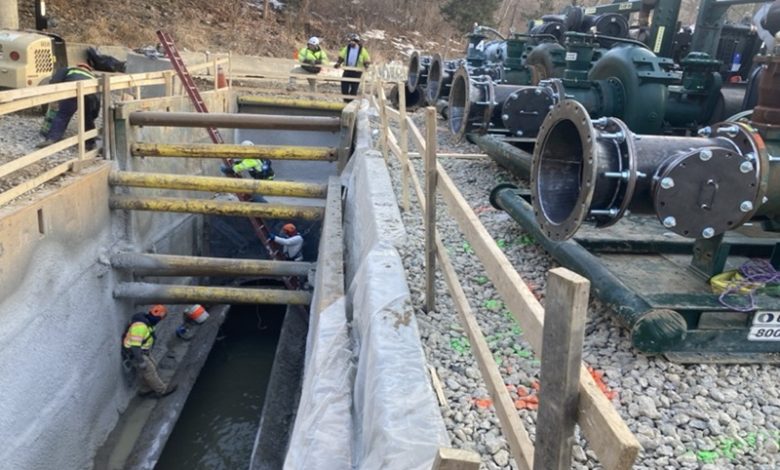
What looked like a single pipe failure in January turned into one of the region’s biggest environmental alarms of the year. The Potomac Interceptor, a 72-inch sewer main that carries wastewater from parts of Maryland and Northern Virginia toward DC’s Blue Plains treatment system, collapsed near the Clara Barton Parkway on January 19. The break sent an estimated 243 million gallons of wastewater into and around the Potomac River corridor, putting Washington, Bethesda, and Alexandria into the same uneasy conversation almost overnight.
Why This One Pipe Mattered So Much
This was not some side street utility issue. The Potomac Interceptor is part of a 54-mile sewer system serving a broad cross-border network, which is why one rupture quickly became a regional scare instead of a local inconvenience. Agencies had to manage overflow, emergency pumping, environmental cleanup, and public messaging all at once while people across the DC area started asking the same question: was the water safe?
The Fear Spread Faster Than The Facts
The biggest public confusion came from the difference between sewage infrastructure and drinking water systems. WSSC Water said its customers’ drinking water was not impacted because its Potomac intake sits upstream from the collapse site. DC officials also stressed that the District’s drinking water remained safe, even while river contact warnings and recreation advisories were active. That gap between “safe to drink” and “unsafe to touch” is what made the story feel bigger and scarier across nearby cities.
DC Health’s official X warning told residents to avoid contact with the river during the spill response.
Bethesda And Alexandria Got Pulled Into The Fallout
Bethesda mattered because the collapse happened in Montgomery County, close to major commuter and park corridors. Alexandria mattered because Northern Virginia wastewater also moves through this regional pipeline network, and because downstream concern does not stop at jurisdiction lines. DC Water has since pointed to public meetings and rehabilitation updates involving affected communities, while outside pressure has grown from advocates and, more recently, a class-action lawsuit tied to lost recreational use of the river.
The Story Did Not End When The Flow Stopped
Emergency repairs were completed after a 55-day push, and DC Water says full flow has now been restored to the interceptor. DC Health lifted its Potomac recreational advisory on March 2, marking a major turning point. But the wider story is still moving, because cleanup, environmental restoration, accountability questions, and long-term infrastructure scrutiny are not going away. What began as one broken line is now being treated as a warning for the whole region.
FAQs
1. What Exactly Broke In This Incident?
A 72-inch Potomac Interceptor sewer main collapsed, releasing wastewater and forcing a large regional emergency response.
2. Was Drinking Water Unsafe In Washington Or Bethesda?
No. Officials said drinking water systems stayed separate, and WSSC’s intake was upstream from contamination.
3. Why Was Alexandria Mentioned In Coverage?
Because Northern Virginia wastewater uses the same regional sewer network, making the incident cross-jurisdictional in impact.
4. How Long Did The Emergency Repairs Take?
DC Water said emergency repairs and flow restoration took about 55 days of round-the-clock work.
5. Is The Potomac River Safe Now?
DC Health lifted the recreation advisory on March 2, though restoration and monitoring efforts continue.