
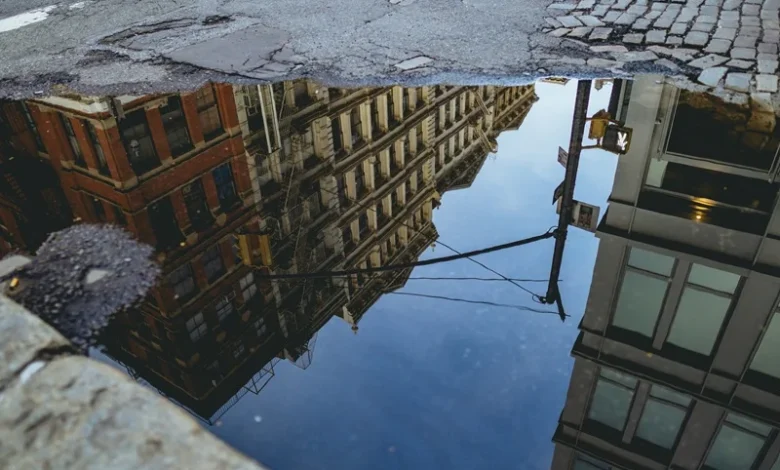
As a result of extreme heat and increased risk of flooding, New York City residents and renters are increasingly considering location as an important factor. The city’s coastal topography, high-density infrastructure, and poorly-designed urban layout lead to climate risk being unevenly distributed in New York City. Therefore, while some neighborhoods have decent resilience compared to others that experience extreme climatic events, heat waves, and flooding have been occurring in areas that have no means of recovering from these events.
When considering whether to relocate, invest, or simply have an enjoyable and safe place to live in New York City, you should evaluate and understand these aspects of New York City.
How Heat and Flood Risk Vary Across NYC
Heat and flood risks in New York City are influenced by two very different but interconnected factors. Flood risk is largely determined by geography. Low-lying coastal areas and neighborhoods close to rivers are more exposed to storm surges, tidal flooding, and rising sea levels. These areas were heavily impacted during past extreme weather events and continue to face long-term risks.
Best Neighborhoods for Lower Heat and Flood Risk
Flood risk is determined by geography; heat risk is affected by both geography and climate conditions. Areas located near the coast, or close to rivers, are more vulnerable to tidal flooding, rising sea levels, and storm surge flooding than anywhere else in New York City. These areas have suffered greatly from extreme weather in the past and are at risk now and in the foreseeable future from such events.
Beat the Heat with These Reads:
1.Explore Top Floor vs Lower Living Differences?
Check how heat impacts top vs lower floors in Dubai homes.
2.Discover Natural Ways To Beat Heatwaves?
Explore simple methods to keep your house cool without AC.
3.Check Cities Hit Hard By Heatwaves?
Discover the top 10 cities most affected by extreme heat in 2025.
4.Explore Why Madrid Work Hours Changing?
Check how extreme heat is shifting daily work schedules in Madrid.
5.Discover NYC Areas With Night Heat?
Explore which New York areas stay hottest during nighttime heatwaves.
Worst Neighborhoods for Heat and Flood Risk
Throughout New York City, the geography and urban conditions create areas with different levels of risk; some neighborhoods are highly vulnerable, and others are relatively safe.
Flooding is a serious concern in the Rockaways (Queens) due to their geography, being coastal, these neighborhoods have high levels of exposure to escape and rising seas, and flooding therefore occurs frequently.
Key Pattern: What Makes an Area Safe or Risky
A trend that exists between the neighborhoods across New York City is that there are safer areas regarding flood risk and heat because they are located inland, elevated, and have significant tree canopies, whereas coastal areas and also densely developed areas with limited green space are more at-risk to the same conditions than the safer areas.
As climate change contributes more and more to extreme weather, the difference between these two types of neighborhoods is becoming more apparent. A once minor consideration has grown to be a significant part of the decision-making process by individuals seeking to purchase a home.
Final Insight
Choosing an area in New York City to live in should not only take into consideration convenience, or lifestyle, but also climate change its equally important to take into consideration whether or not you will be safe from excessive heat and/or flooding as a result of climate change. Certainly, every area of New York City has some risk associated with it, but some neighborhoods have greater climatic protection than others.
FAQs
1. Which neighborhoods in NYC are safest from heat and flooding?
Areas like the Upper West Side, Riverdale, and Forest Hills are considered relatively safer.
2. Which areas are most prone to flooding?
The Rockaways, Red Hook, and Broad Channel are among the most flood-prone.
3. Which neighborhoods experience the most heat?
The South Bronx and parts of Central Brooklyn are highly heat-vulnerable.
4. Why do some areas feel hotter than others?
Due to the urban heat island effect, where dense con