Why Kochi Had To Protect Mangalavanam: Birds, Mangroves At Risk
Kochi sets a buffer around Mangalavanam to protect mangroves, bird routes, and fragile wetland systems facing rising urban expansion and development pressure nearby.

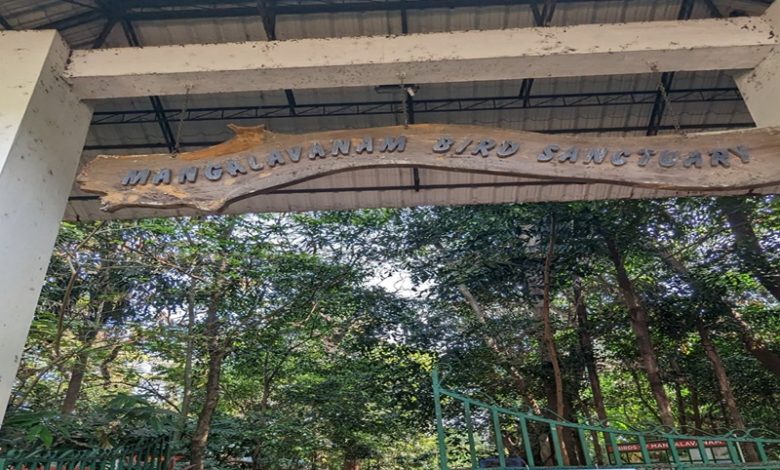
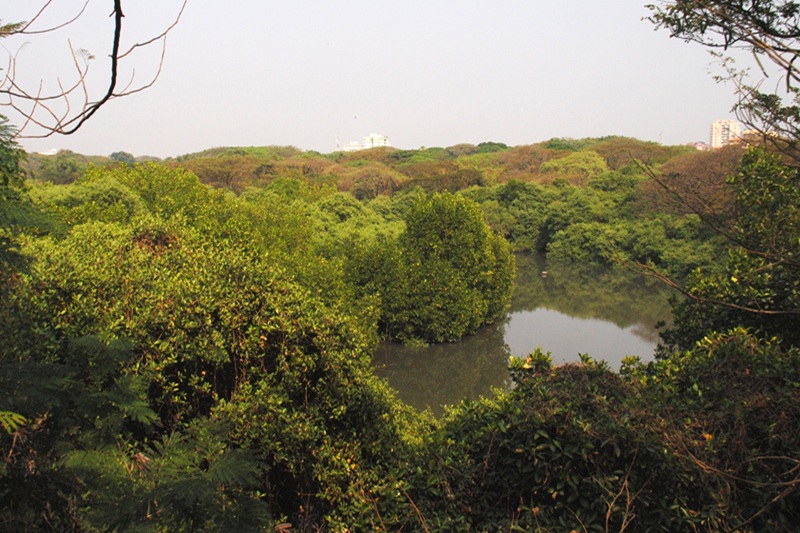
Kochi did not suddenly discover Mangalavanam’s value. The problem was that the city kept growing around it faster than protection rules were moving. This tiny bird sanctuary, tucked behind the Kerala High Court, covers only about 2.74 hectares, but it carries far more ecological weight than its size suggests. It functions as an urban mangrove patch, a nesting and resting space for birds, and a wetland filter inside one of Kerala’s busiest city zones.
That is why the newly notified eco-sensitive buffer around Mangalavanam matters now. Recent reports say the notified buffer extends up to 0.55 km from the sanctuary boundary and brings tighter checks on new development in the immediate surroundings.
A Tiny Sanctuary With A Very Big Job
Mangalavanam is often called Kochi’s green lung, and that label is not an exaggeration. Kerala Forest and tourism-linked official sources describe it as a compact but critical urban sanctuary with mangroves, wetland habitat, and birdlife concentrated in the middle of heavy city activity. Even older conservation work has described the site as a pollution trap and ecological buffer between land runoff and surrounding waters.
Why The Buffer Became Hard To Ignore
The latest notification did not come out of nowhere. It followed years of concern over nearby construction, land-use pressure, and ecological disturbance. Recent coverage says environmentalists had repeatedly flagged damage risks to bird movement routes, mangroves, and water quality. The new rules now restrict or regulate activities such as fresh construction in sensitive stretches, tree felling, and certain tourism-linked aerial activity around the sanctuary.
What Was Pressuring The Site
Urban expansion has been the larger story around Mangalavanam for years. Reporting from 2023 highlighted concerns that drainage inflow and land pressure were changing the ecosystem, while research has also pointed to microplastic stress in this urban mangrove habitat. In a place this small, even modest edge pressure can alter water flow, nesting conditions, and habitat quality much faster than in a larger wetland.
Birds Needed More Than A Fence
This was never only about trees. Mangalavanam matters because birds use it as a living urban refuge. Recent local reporting cited nearly 72 bird species, while tourism and official destination material describe it as an important haven for resident and migratory birds. A sanctuary can be legally protected on paper, but if the surroundings become too noisy, built-up, or fragmented, bird routes and breeding patterns still suffer. The buffer is what gives the sanctuary breathing room.
Why This Decision Feels Timely
For Kochi, this is as much an urban planning story as an environmental one. Mangalavanam sits inside a city that has limited open green space and intense development pressure. Protecting only the core patch was no longer enough. The buffer helps shift the conversation from saving a leftover mangrove to managing the city around it more carefully. That is why the move feels overdue, but still important.
FAQs
Why is Mangalavanam important to Kochi?
It protects mangroves, supports birds, filters runoff, and acts as a rare urban green lung.
What does the new protective buffer do?
It limits risky nearby activity and gives the sanctuary more space from urban development pressure.
Why are mangroves important in Mangalavanam?
Mangroves support biodiversity, trap pollutants, stabilize wetland edges, and improve ecological resilience inside Kochi.
How are birds affected by urban encroachment?
Noise, lighting, buildings, and habitat fragmentation disturb nesting, feeding, and movement through urban routes.
Was the sanctuary itself already protected earlier?
Yes, but experts argued the surrounding zone also needed safeguards for real ecological protection.