Why Hangzhou’s Weather Is Swinging Between Floods And Dry Heat
Hangzhou is emerging as a climate whiplash city as floods, drought spells and rising heat disrupt urban systems, energy demand and water cycles across eastern China.

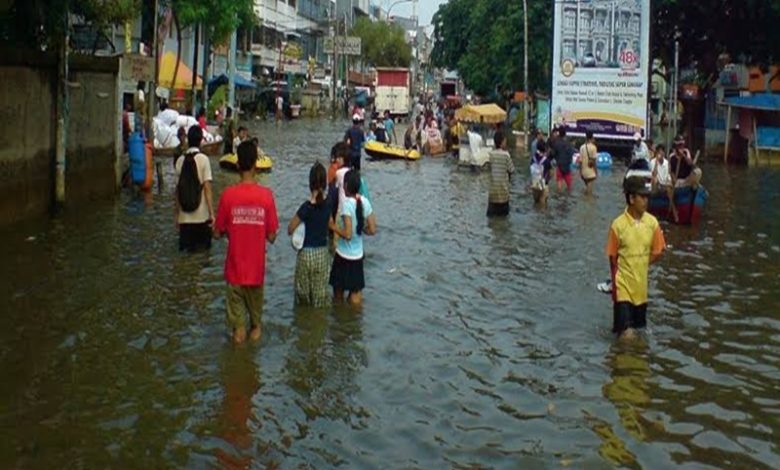
Hangzhou is starting to look like a case study in climate whiplash: one season brings punishing rain, another brings scorching heat, drying stress, and pressure on water, power, and transport systems. A recent global study highlighted Hangzhou as one of the cities most exposed to sharp swings between flood and drought risk, not because one disaster dominates, but because both are arriving in a tighter, more disruptive cycle. Add dense construction, paved surfaces, riverfront growth, and long heat spells, and the city’s stress load rises fast. What makes Hangzhou especially striking is that these swings are no longer rare shocks. They are beginning to feel like part of the city’s new normal.
A City Caught Between Too Much Water And Too Little
The phrase “climate whiplash” fits Hangzhou because the problem is not only extreme rain or extreme dryness in isolation. It is the speed of the swing. Research reported by Reuters found Hangzhou among the cities most affected by rapid shifts between prolonged floods and drought conditions, showing how warming is destabilising the urban water cycle. When rain comes hard, drainage systems and low-lying districts feel the shock. When dry heat follows, the strain shifts to water demand, vegetation stress, and public health. That stop-start pattern makes planning harder than a single predictable monsoon or dry season ever did.
Heat Is Turning Urban Stress Into A Daily Problem
Flood risk gets attention, but heat is quietly tightening the screw. In August 2024, Reuters reported that Hangzhou issued a red warning for extreme heat as temperatures around 40°C hit parts of eastern China. In the same period, pressure on electricity demand became serious enough that non-essential outdoor lighting was restricted in Hangzhou to conserve power. That says a lot about urban stress: heat is no longer just uncomfortable, it is affecting energy systems, mobility, outdoor work, and daily routines. By 2025, official Chinese reporting also showed more record-breaking heat during flood season, a sign that overlapping extremes are becoming harder to separate.
Why This Feels Bigger Than Weather
What makes Hangzhou vulnerable is the mix of climate pressure and urban form. Dense built-up zones trap heat, sealed surfaces speed runoff, and fast expansion leaves less room for water to soak into the ground naturally. That means intense rainfall hits harder, while hot and dry spells feel harsher and last longer at street level. This is where climate change stops being abstract and starts becoming a city-management issue.
Official Warnings Are Getting Harder To Ignore
China’s broader climate data is also moving in the same direction. Xinhua reported that 2025 was tied as the warmest year on record nationally, with record high numbers of hot days and a distinctly warm, humid climate pattern. That matters for Hangzhou because a warmer atmosphere can hold more moisture, increasing the odds of intense downpours, while hotter baseline conditions also intensify evaporation and heat stress. It is this double pressure that makes a flood-prone city feel drought-prone too.
Reuters’ wider reporting on China’s extreme weather has shown officials increasingly warning about floods, landslides, heat, and ageing defences at the same time. Between recent flood-drought research and heat alerts, the conversation around Hangzhou changed fast. Reuters World also highlighted the global “whiplash” study in an official X post.
The Real Story Is What Comes Next For Hangzhou
Hangzhou’s climate story is no longer about a bad flood year or a brutal summer. It is about instability becoming ordinary. Floods overwhelm roads and drainage. Dry heat pushes power grids, public health, and water systems. Urban growth raises exposure on both sides. That is why Hangzhou is emerging as a true climate whiplash city: not simply wetter or drier, but more volatile, more stressed, and far less able to rely on the patterns that once shaped the city’s planning.
FAQs
1. What Does Climate Whiplash Mean In Hangzhou?
It means Hangzhou faces fast swings between flood-heavy periods and dry, heat-stressed conditions within short intervals.
2. Why Is Heat A Major Part Of This Story?
Extreme heat strains electricity, transport, health, and water systems, making recovery from floods even harder.
3. Has Hangzhou Been Officially Linked To Climate Whiplash?
Yes, Reuters cited research naming Hangzhou among cities most exposed to flood-drought whiplash globally.
4. Why Do Cities Feel These Swings More Sharply?
Concrete surfaces, dense buildings, and limited drainage space make rainfall and heat more damaging.
5. What Makes Hangzhou’s Risk Different From A Normal Monsoon City?
The danger is volatility, where opposite weather extremes arrive closer together and disrupt planning.