Oxygen Drop And Sewage Inflow Behind Gurupura Backwaters Fish Die-Off
Fish deaths in Mangaluru’s Gurupura backwaters triggered concern after sewage inflow, stagnant water and oxygen depletion disrupted the fragile river ecosystem.

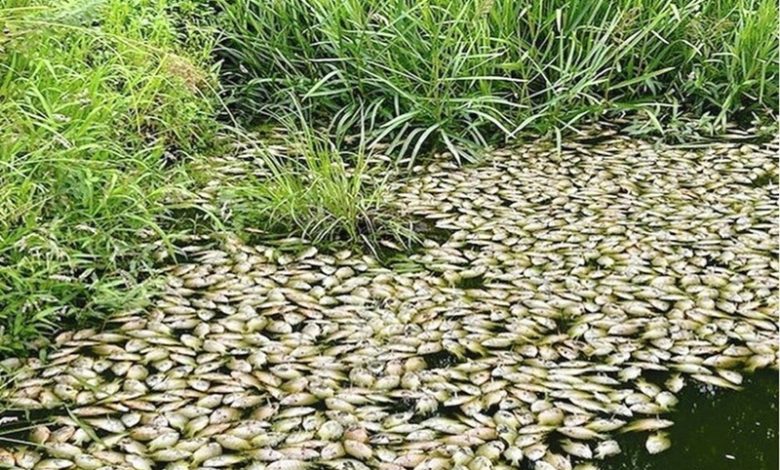
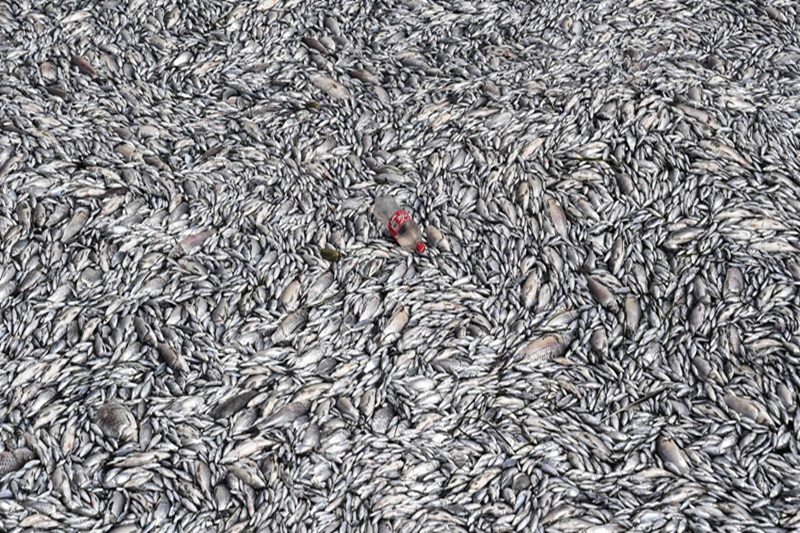
The fish deaths reported near Raikatte Bridge in Mangaluru’s Gurupura backwaters did not come from one sudden spill alone. Investigators from the Karnataka State Pollution Control Board said the die-off was caused by a damaging mix: untreated sewage entering the water, poor circulation in stagnant stretches, and a sharp fall in dissolved oxygen. Officials who inspected the spot found blackish, foul-smelling water flowing through stormwater drains into the backwaters, along with dead fish in connected pockets. Reports also said no clear industrial effluent discharge was detected during that inspection, shifting the focus to urban sewage, blocked flow, and heat-linked water stress.
What Officials Found At The Site
According to recent reporting based on KSPCB findings, sewage was seen entering the backwaters through stormwater channels from nearby residential and commercial areas that lack proper underground drainage and treatment systems. That matters because untreated wastewater adds heavy organic load. Once that load begins decomposing, bacteria consume dissolved oxygen fast, leaving fish with too little oxygen to survive.
Why Stagnation Made The Situation Worse
This was not just a pollution story. It was also a flow problem. Officials linked the worsening condition to disrupted tidal flushing in the area, particularly around ongoing bridge-related activity near Kulur and Sultan Battery-Tannirbhavi. In a backwater system, movement matters. When water stops circulating properly, pollutants sit longer, decay intensifies, and oxygen drops harder and faster. That is why fish deaths were concentrated in affected stagnant stretches rather than across the entire river system.
When Summer Heat Turns A Bad Situation Dangerous
Warmer weather likely pushed the crisis over the edge. With rising temperatures, water naturally holds less oxygen. Add sewage, blackened stagnant water, and ongoing biogeochemical activity, and the oxygen crash becomes more severe. That is the kind of chain reaction that residents often notice first through smell, colour change, and floating fish. Early local reports had raised alarm over exactly those signs near Kuloor and Rayikatte weeks before the latest official explanation came in.
What Happens Next In Mangaluru
Authorities have already directed corrective steps. Mangaluru Smart City Ltd was asked to improve water circulation, including culvert-related measures, while the Mangaluru City Corporation was told to stop sewage inflow and submit action taken details. The coastal zone authority was also asked to verify whether bridge works complied with environmental norms. A local Instagram news post that captured public concern around the dead fish and foul smell.
FAQs
1. What caused the fish deaths in Gurupura backwaters?
Untreated sewage, stagnant water, and falling dissolved oxygen together created lethal conditions for fish there.
2. Did officials find industrial chemical discharge there?
Recent inspection reports said no clear industrial effluent discharge was identified during that specific probe.
3. Why does stagnant water kill fish so quickly?
Because polluted stagnant water loses oxygen fast, especially when bacteria break down sewage and waste.
4. Did bridge construction affect the backwaters too?
Yes, officials said disrupted tidal flushing likely worsened stagnation in nearby affected water pockets.
5. What action have authorities ordered now?
They ordered sewage control, better circulation measures, and compliance checks around nearby construction works.