
Why Gurgaon Wants Waste-Burning Maps Now
Gurgaon begins mapping waste-burning hotspots as dumping and C&D mismanagement fuel local smoke episodes, pushing targeted action and cleaner city planning.

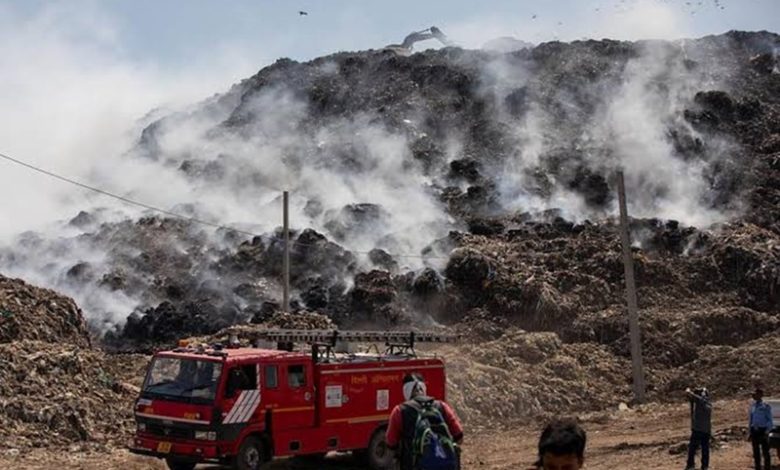
Gurgaon is no longer treating waste fires like random local nuisance. The city now wants actual maps of where burning keeps happening, because the pattern is getting too visible to ignore. Open dumping, roadside debris, construction waste piles, and repeated smoke complaints are tying local sanitation failures directly to air pollution. This week, the Municipal Corporation of Gurugram said it will work with WRI India to identify waste-burning hotspots and build a “zero open waste burning” model, with residential pilots, trained community champions, and targeted interventions.
Why Mapping Smoke Hotspots Matters
The idea behind waste-burning maps is simple: if fires keep starting in the same pockets, the city needs to know exactly where, why, and who is failing. According to the new MCG-WRI plan, officials will map frequent burning zones across Gurugram, study the causes behind the practice, and then design area-specific solutions instead of broad citywide messaging that often changes little on the ground.
The push also includes awareness work with RWAs, schools, colleges, and municipal staff, which shows the administration now sees open burning as both an enforcement problem and a behaviour problem.
Open Dumping Is Feeding The Problem
This mapping drive is coming after repeated signs that dumped waste and smoke are linked in everyday city life. In late 2025, CAQM inspection teams checked 125 Gurugram road stretches and found high dust on 34 of them, along with municipal waste piles, C&D waste dumping, and cases of open burning. The teams used geo-tagged and time-stamped photographs, which is exactly why local tracking now matters more than vague complaints.
Once waste accumulates on roadsides, empty plots, or vulnerable points, burning becomes the lazy next step. Gurgaon’s anti-pollution story is now as much about sanitation discipline as it is about air quality alerts.
C&D Waste Is Turning Into A Bigger Gurgaon Headache
Construction and demolition waste is now one of the biggest stress points in Gurugram’s waste chain. MCG officials recently said the city generates more than 2,000 tonnes of C&D waste a day, while the Basai processing plant handles about 1,500 tonnes. That gap matters. When debris is not collected fast, not sent through authorised vendors, or dumped informally near roads and sectors, it adds dust, visual blight, and often creates the kind of neglected piles that later get set on fire with mixed waste.
MCG’s latest plan talks about decentralised collection points, stronger transport systems, and promoting recycled C&D material, which suggests the city is finally trying to connect waste logistics with pollution control.
A Recent Official Update
MCG has also publicly promoted the campaign on its official X account, framing it as a move against open waste burning and for scientific C&D waste management in partnership with WRI India. That matters because the city is not pitching this as a one-day clean-up drive. It is presenting it as a structured urban management fix.
Bandhwari Keeps The Pressure On
The bigger backdrop is Bandhwari. The NGT has again pulled up the civic body over the landfill, saying a comprehensive action plan is still missing even as the site continues to receive around 2,200 metric tonnes of waste daily. The tribunal’s scrutiny follows concerns around repeated fires, waste mismanagement, and leachate risks.
Add that to Haryana’s fresh World Bank-backed clean-air push, and Gurugram is under pressure to show measurable action, not just announcements. Waste-burning maps fit that mood because they turn an invisible civic failure into something trackable, enforceable, and harder to deny.
FAQs
1. Why does Gurgaon need waste-burning maps now?
They help officials identify repeat fire zones, track causes, and target enforcement before smoke spreads wider.
2. What is causing these local smoke episodes?
Open dumping, mixed garbage piles, roadside debris, and poorly handled construction waste often trigger burning.
3. How is C&D waste linked to air pollution?
Improperly dumped debris creates dust, blocks cleaning, and sometimes gets mixed with waste that burns.
4. What role will RWAs play in this plan?
RWAs will support community monitoring, waste awareness, and local reporting through trained community champions.
5. Why is Bandhwari still part of this story?
Because landfill fires, untreated waste, and tribunal scrutiny keep pressure on Gurugram’s waste system daily.