
Rising Local Smoke Pushes Gurgaon To Track Waste-Burning Hotspots
Gurgaon is mapping waste-burning hotspots as dumping and C&D debris trigger frequent smoke episodes across sectors, pushing stricter monitoring and on-ground enforcement.

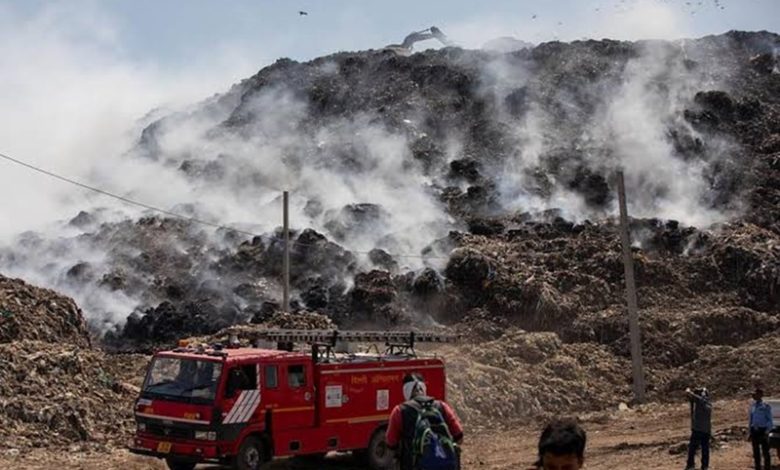
Gurgaon is no longer treating waste burning as a random nuisance. It is being seen as a repeat pollution trigger that flares up in the same kinds of places: roadside dump pockets, vacant plots, secondary garbage points, and stretches where construction and demolition waste sits exposed for days. This is why the Municipal Corporation of Gurugram, working with WRI India, has moved to identify waste-burning hotspots and build what it calls a “zero open waste burning” model. The idea is simple: if the city knows where smoke starts, why it starts, and who keeps feeding it, enforcement becomes more real than seasonal pollution slogans.
Why Hotspot Mapping Has Become Urgent
The push is coming after repeated complaints that local smoke episodes are not only winter problems. Gurgaon has seen recurring cases of garbage and mixed waste being set on fire near roads, colonies, and office belts, creating short but sharp breathing trouble for nearby residents. Recent reporting says the city will map high-frequency burning spots, study the causes behind them, and involve community champions from RWAs to monitor patterns on the ground. That matters because smoke from burning mixed waste is rarely isolated. It usually comes bundled with open dumping, bad segregation, and weak collection systems. MCG’s official X update on challans against roadside dumping.
Open Dumping Keeps Feeding The Fire Problem
Hotspots do not appear by accident. They usually form where garbage is repeatedly dumped in the open, left unattended, and then burnt to shrink visible piles fast. Gurgaon has already tightened penalties for illegal dumping, with fines for individuals and steeper penalties for bulk waste generators. The city also linked this crackdown to a wider state push after the National Green Tribunal’s directions against dumping solid waste in unauthorised places. In plain terms, open dumping is not just a cleanliness issue anymore. It is now being treated as a pollution source that can turn into a smoke event overnight.
Why Residents Notice It Fast
Unlike distant landfill pollution, neighbourhood burning is personal. Residents smell it before they see it. Smoke drifts into balconies, school routes, market roads, and traffic junctions. That is why even short burns get reported so aggressively during bad air weeks.
C&D Waste Is A Big Part Of The Gurgaon Story
Construction and demolition waste is one of Gurgaon’s hardest civic problems because it does not stay inside project sites. Debris often spills onto roadsides, empty plots, or internal streets, where it adds dust first and becomes part of the waste pile later. Recent reports showed that even during GRAP restrictions, open C&D waste, road digging, and poor dust control continued across several Gurgaon locations. The municipal body has since ordered round-the-clock vigil against illegal C&D dumping and planned multiple collection centres to control the mess before it becomes both dust and smoke. MCG post asking residents to report C&D waste on streets. It supports the point that debris control is now tied directly to cleaner air.
Mapping Smoke Episodes Could Change Enforcement
The important shift is that Gurgaon is moving from reactive fines to location-based monitoring. Officials are already tracking dozens of pollution hotspots in the city, and the waste-burning study adds a sharper layer by identifying where repeated fires start, what type of waste is present, and what kind of local behaviour keeps the cycle alive. If that data is used well, Gurgaon can stop treating every smoke complaint as a one-off and begin targeting the exact plots, transfer points, vendors, contractors, and dumping routes that keep reigniting the problem.
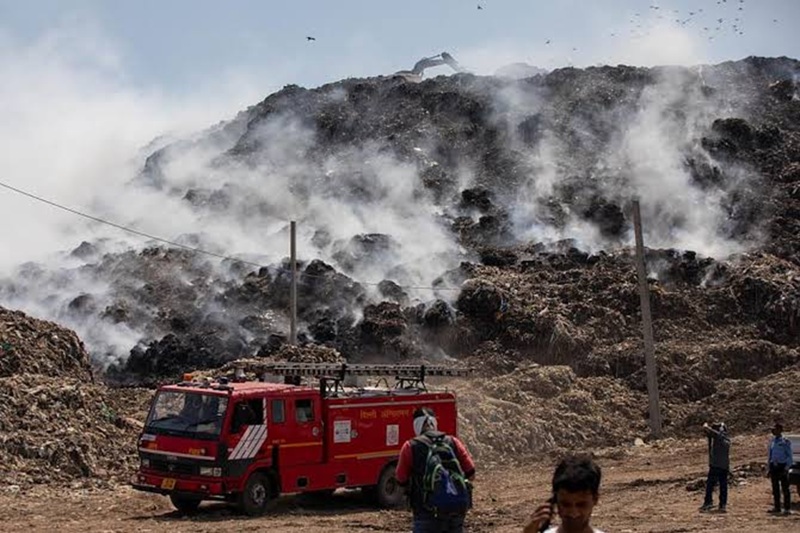
FAQs
1. Why is Gurgaon mapping waste-burning hotspots?
To find repeat fire locations, fix causes faster, and cut local smoke before pollution worsens.
2. What kind of waste usually gets burnt openly?
Mixed garbage, leaves, plastic, packaging, and dumped construction debris often end up burned illegally.
3. Why is C&D waste linked to smoke episodes?
It attracts illegal dumping, creates dusty piles, and often mixes with other waste later.
4. Has Gurgaon started strict action already?
Yes, fines, challans, surveillance drives, and reporting systems have already been strengthened recently.
5. Who is expected to help stop these incidents?
MCG teams, RWAs, contractors, vendors, and residents all have roles in reporting and prevention.