
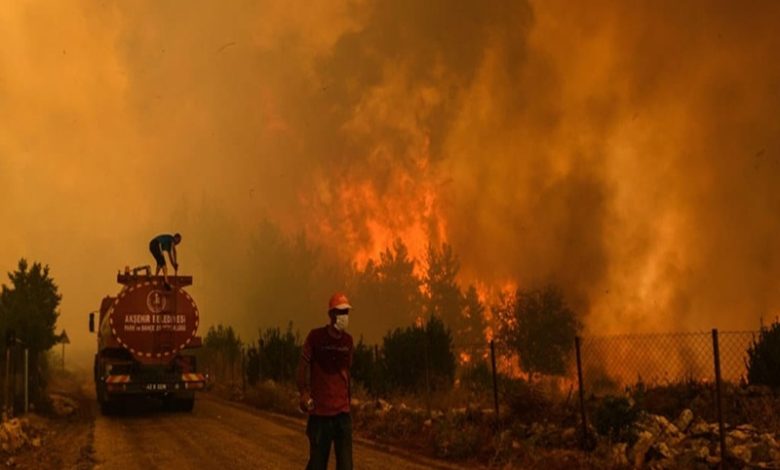
The wildfires in Greece in 2026 have raised awareness of the increasing environmental issues in Mediterranean ecosystems. The change in weather patterns, prolonged droughts, and an increase in temperatures have escalated the frequency and intensity of fires in the region. Greece is a country of forests, mountains, and coastal ecosystems, which are especially susceptible to the occurrence of wildfires in the hot and dry summer seasons. Such fires not only pose a risk to the communities; they also destroy delicate ecosystems that sustain biodiversity. To preserve the Mediterranean landscapes and minimize environmental risks in the future, it is important to understand the causes of the wildfire crisis in Greece.
Why Wildfires Are Increasing in Greece
Several environmental and climate-related factors have contributed to the rise in Mediterranean forest fires in recent years.
Rising Temperatures
The climate has changed, leading to increased temperatures in summer in Southern Europe. An increase in temperature dries vegetation, and thus forests and grasslands are prone to igniting and spreading fire rapidly.
Long Drought Periods
Long spells of drought cause soil to dry out and expose plants, making forests very flammable. Dry vegetation is fuel, which intensifies wildfires.
Strong Mediterranean Winds
Winds in the Mediterranean region can cause flames to spread so fast, covering a great area in a season. These winds complicate the process of taming wildfires by the firefighters once they have begun.
Impact on Mediterranean Ecosystems
- Forest destruction: Large areas of Mediterranean forests are lost.
- Wildlife displacement: Animals lose their habitats.
- Soil degradation: Fires damage soil and increase erosion.
Climate Change and Mediterranean Fire Risk
Climate change is making wildfire seasons longer and more severe across the Mediterranean region. Rising temperatures and reduced rainfall create ideal conditions for fires to start and spread. Scientists warn that unless global climate action improves, countries like Greece could face more frequent and intense wildfire events. These changes are putting increasing pressure on Mediterranean ecosystems, which are already sensitive to environmental stress.
How Greece Is Responding
- Improved firefighting efforts using aircraft and emergency teams.
- Better forest management, such as clearing dry vegetation.
- EU cooperation for climate action and disaster response.
FAQs
1. Why are wildfires common in Greece?
Hot summers, dry vegetation, and strong winds increase fire risk.
2. How do wildfires affect ecosystems?
They destroy forests, harm wildlife, and damage soil.
3. Is climate change increasing wildfire risk?
Yes, rising temperatures and droughts are making wildfires more frequent.