How Germany Is Leading Renewable Energy Transition in 2026
Explore how Germany is leading the renewable energy transition in 2026 through solar, wind, and green hydrogen initiatives.

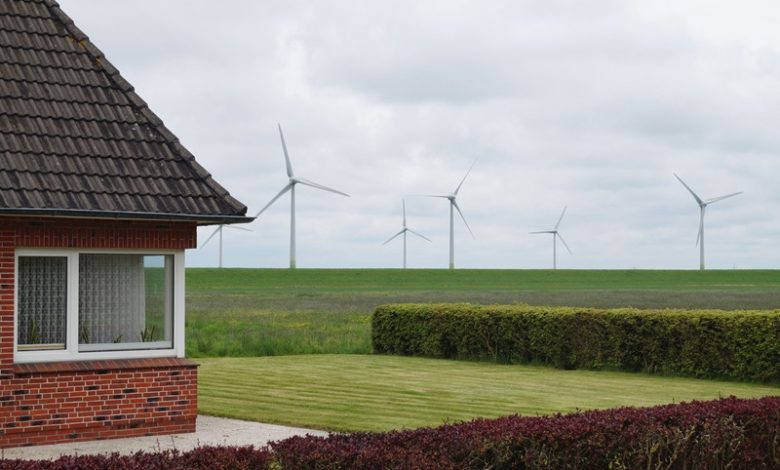
Germany has been a world leader in clean energy for decades, and in 2026 it is still leading the way in Europe’s shift to renewable energy. Germany is working toward a sustainable energy future by relying less on fossil fuels and investing in new technologies and policies. The country’s dedication to protecting the environment and reaching climate targets has sped up the use of renewable energy sources like solar and wind. Germany is determining the future of energy not just within its own borders but also across Europe with projects like green hydrogen and big renovations to its infrastructure.
Germany’s Renewable Energy Strategy
Germany’s energy transition is guided by its long-term strategy known as the Energiewende.
- The Energiewende policy is a national plan to move away from fossil fuels and toward renewable energy.
- Germany is slowly becoming less dependent on coal and has stopped using nuclear electricity.
- Government climate goals: The country wants to cut emissions by a lot and become climate neutral in the next few decades.
This strategy provides a strong foundation for Germany’s leadership in clean energy.
Growth of Wind and Solar Energy in Germany
Renewable energy sources are expanding rapidly across Germany.
- Expansion of wind farms: Both onshore and offshore wind energy projects are increasing capacity.
- Increase in solar installations: Rooftop and large-scale solar farms are becoming more common.
- Role in electricity supply: Wind and solar now contribute a significant share of Germany’s electricity production.
These developments are central to the country’s green energy transition in Europe.
Role of Green Hydrogen in Germany’s Energy Future
Germany is investing heavily in green hydrogen as a clean energy solution.
- Hydrogen as clean fuel: Produced using renewable energy, hydrogen offers a low-emission alternative.
- Industrial and transport applications: Used in heavy industries and future transport systems.
- Investment in infrastructure: Germany is building hydrogen networks and partnerships to support long-term use.
Green hydrogen is expected to play a major role in decarbonizing sectors that are difficult to electrify.
Challenges in Germany’s Energy Transition
Despite progress, Germany faces several challenges.
- Energy costs: Transitioning to renewable energy can increase short-term costs.
- Grid infrastructure issues: Expanding and modernizing the power grid is necessary to support renewable energy.
- Dependence on weather conditions: Solar and wind energy depend on natural conditions, which can affect consistency.
Addressing these challenges is essential for long-term success.
FAQs
Why is Germany a leader in renewable energy?
Germany has strong policies, investments, and infrastructure supporting renewable energy development.
What is Energiewende?
It is Germany’s national strategy to transition from fossil fuels to renewable energy.
What are the main renewable energy sources in Germany?
Wind and solar energy are the primary sources, along with the growing use of green hydrogen.