
Environmental Impact of Cruise Ships at PortMiami
Discover how cruise vessels affect the environment in PortMiami, the pollution, and marine disturbance, and sustainable measures to a greener future.

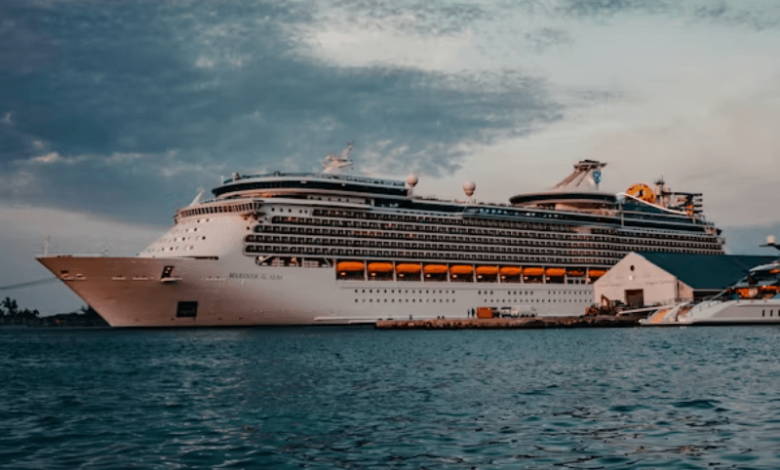
The Environmental Impact of Cruise Ships at PortMiami is an issue that has been gaining momentum since the busiest cruise port in the world is still receiving millions of visitors annually. Even though PortMiami is enhancing tourism and reinforcing the local economy, the rising rate of large ships has heightened environmental issues. The ecological footprint is huge from air pollution and underwater noises to discharge of wastes and disturbances of coral reefs. The environmental organizations and government agencies still insist on the more stringent sustainability approaches to protect South Florida fragile marine ecosystems. With the growing cruise industry, it is important to study its environmental implications as it is essential in the creation of a greener future.
How Cruise Ship Operations Affect Air and Water Quality
The cruise ships that operate at PortMiami environmental issues that cause air pollution such as the sulfur oxides, nitrogen oxides, and particulates. Such emissions may affect the health of the human beings and the atmospheric conditions of the surrounding. Though the more modern ships are using cleaner fuels and other sophisticated exhaust mechanisms, the old ones continue to be a threat to the environment.
The waste water discharge also is a challenge to the port. Even the treated waste may have pollutants which damage the marine ecosystems. To preserve the waters around them and aquatic creatures, efforts like adoption of sophisticated wastewater purification systems and water quality checks have become mandatory.
Marine Ecosystem Disruption and Noise Pollution
The second significant feature of the Environmental Impact of Cruise Ships at PortMiami is that it causes a disruption in marine ecosystems. Vessels coming in and out of the port create noise underwater that interferes with the natural habits of dolphins, manatees and fish species that are indigenous to the Biscayne Bay.
Moreover, the propeller movement of ships has the potential to destroy delicate seabeds and coral reefs. Environmentalists insist on tightening up of navigation routes, slowing down of the speed and habitat restorative initiatives as a way of restoring balance within the bay. Monitoring and conservation activities based on science will also be important in reducing long-term harm to the ecology.
Steps Toward a Sustainable Future
PortMiami and the cruise industry are making investments in sustainable programs in order to meet the emerging environmental concerns. Innovative technology of shore power that enables ships to plug into clean electric power sources rather than burning fuel at the mooring post is a huge breakthrough. Other cruise companies are testing LNG-powered and hybrid engines and environmentally friendly building materials.
The regulatory pressure and public awareness keep driving the sector to green operations. It is anticipated that the partnership between the environmental agencies, the government and the cruise companies will develop a more responsible and sustainable cruise industry in Miami and beyond.