
Why This Year’s Pre-Monsoon Storms Are Feeling More Violent Across Parts of India

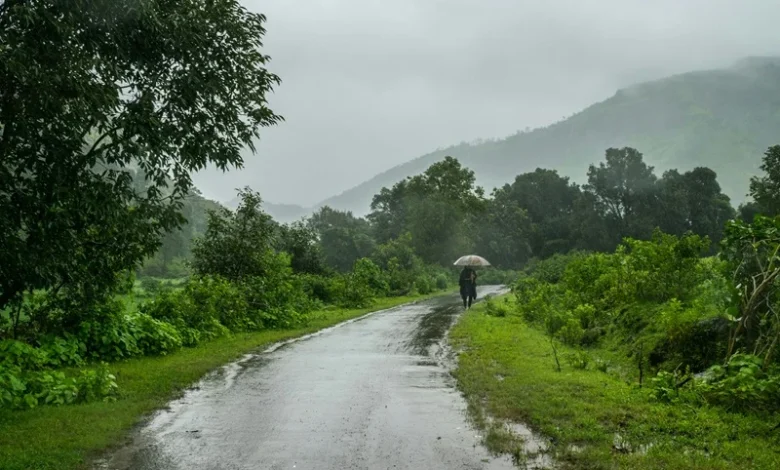
Storms south of the Himalayas are often out of nowhere – moving quickly and causing significant damage. The current monsoon pre-season through north-central/eastern parts of India seems quite intense!
There has been a lot of questions arising about the reason that there have been so much sudden intense and destructive weather leading up to what is coming when the monsoon begins?
Meteorologists say that there has been a combination of all three meteorological ingredients (extreme temperatures, increasing moisture and generally unstable atmosphere) working together to create this kind of weather.
What Are Pre-Monsoon Storms?
Most of the time, pre-monsoon storms will happen sometime in the late spring/early summer months before the large amounts of rain from monsoon occurs.
These storms are typically caused by :
- Extreme heating of the atmosphere during the day,
- Continued rise in atmosphere temperatures as the warm air moves up,
- Moisture that is dragged in from the oceans near India.
The final product of these causes will include:
- Thunderstorms in the evening,
- Dust storms,
- Strong winds from high winds,
- Heavy rain over a short period of time.
Safety Tips During Violent Pre-Monsoon Storms
*Stay Inside During Lightning
Do not go outdoors in response to thunderstorms. Avoid standing under open areas (such as trees or rooftop), and also do not go onto open areas.
*Be Prepared For Sudden Wind Gusts
Secure any loose objects; Park your vehicle(s) away from any weak structures.
*Continue Heat-related Precautions After the Rain
The humidity after the rain will provide the potential for dangerous amounts of heat-related stress.
*Stay Aware Of The Air Quality During Dust Storms
Those who suffer from respiratory illnesses such as asthma should avoid exposure to the outdoors during dust storm conditions.
Heatwave Impact & Daily Life Challenges
Explore why sleeping nights hot cities?
Discover causes and simple ways to sleep better.
Check Delhi Odisha warm evenings risk?
Explore hidden health risks of unusual night heat.
Discover water tankers urban India need?
Check why cities increasingly depend on tanker supply.
Explore heatwaves impact school outdoor rules?
Discover how extreme heat is reshaping school activities.
Check life at 50 degree Dubai?
Explore how people adapt to extreme summer conditions.
Final Words
Summer ‘s during India 2020 pre monsoon proved that summer’s not only getting hotter but also becoming much less stable and increasingly erratic. The amount of energy in our air has increased since then. That added energy often gets released as a quick burst of rain and strong wind during thunderstorms.
FAQs
1) Why are the storms this year stronger than last year?
Higher levels of extreme heat and moisture increase atmospheric instability, leading to more severe storms than in previous years.
2) Are these storms considered to be monsoon season storms?
For most of the time, they are pre-monsoon convective storms.
3) Why do summer-generated storms occur after daytime heating has peaked on hotter afternoons?
During hot summer days, the heating occurs in the afternoon, causing instability which produces thunderstorms during the same evening.
4) Will there continue to be these types of storms until the monsoon starts?
Probably yes, as these storms continue to develop (Instability), producing thunderstorms until the onset of monsoons in mid-June.