Top Eco-Friendly Destinations in Bhutan for 2026 Travelers
Discover the best eco-friendly destinations in Bhutan for 2026 travelers. Explore sustainable tourism spots, nature reserves, and green travel experiences.

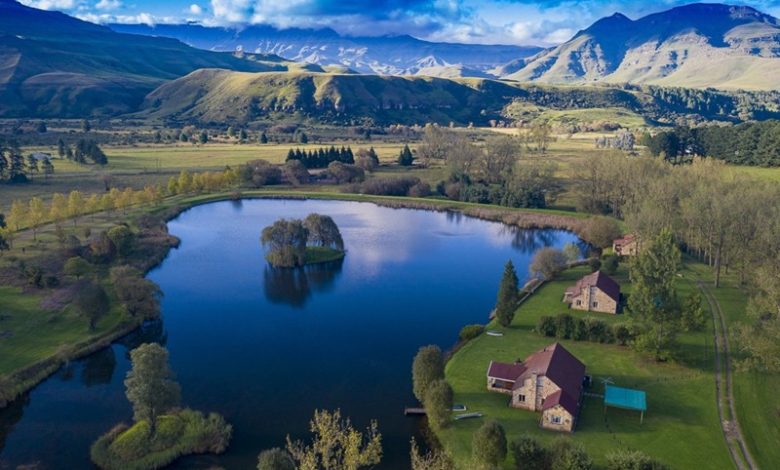
Bhutan is known globally for its high dedication to environmental conservation as well as sustainable tourism practices. Bhutan has a special model of tourism that is considered “high-value, low-impact,” which ensures that environmental resources as well as cultural heritage are preserved at their best. In 2026, eco-conscious travelers can look forward to exploring Bhutan’s unspoiled valleys and forests, as well as environmentally friendly communities. With more than 70% forest cover as well as stringent environmental regulations, Bhutan is an ideal location to explore sustainable tourism destinations.
Why Bhutan Is a Leader in Eco-Friendly Tourism
Bhutan stands out as one of the most sustainable travel destinations in the world.
- Carbon-negative country: Bhutan has more carbon absorption than emission, making it an environmentally special place.
- Strict tourism policies: The government has put in place measures to minimize tourism impact through a controlled system of tourism practices.
- Protected forests and biodiversity: A large part of Bhutan is preserved as a habitat for wildlife.
These efforts ensure long-term environmental protection while promoting responsible tourism.
Top Eco-Friendly Destinations in Bhutan
Paro Valley
Paro Valley is known for its scenic landscapes and cultural heritage. It offers eco-friendly accommodations and access to the iconic Tiger’s Nest Monastery, making it a top destination for sustainable travelers.
Thimphu
Bhutan’s capital city blends modern development with environmental responsibility. Thimphu promotes green initiatives while preserving Bhutanese culture and traditions.
Punakha Valley
Punakha Valley is famous for its rivers, rice fields, and peaceful environment. The area features eco-lodges and sustainable tourism practices that support local communities.
Phobjikha Valley
This conservation area is home to the rare black-necked cranes. Phobjikha Valley is a leading example of eco-tourism in Bhutan, focusing on wildlife protection and sustainable travel.
Bumthang Valley
Bumthang Valley offers forests, monasteries, and traditional villages. It is known for community-based tourism, allowing visitors to experience local culture while supporting sustainable development.
Eco-Friendly Activities for Travelers
Visitors can enjoy a variety of sustainable travel experiences in Bhutan.
- Hiking and trekking through protected natural areas
- Wildlife watching in conservation zones
- Visiting local farms and communities to learn about traditional lifestyles
- Staying in eco-lodges that follow sustainable practices
Sustainable Travel Tips for Bhutan 2026
- Respect local culture and traditions
- Minimize plastic use and waste
- Support local businesses and communities
- Follow eco-tourism guidelines to protect nature
FAQs
Why is Bhutan considered eco-friendly?
Bhutan is a carbon-negative country and protects a large portion of its land as forest, making it a global leader in sustainability.
What is the best time to visit Bhutan in 2026?
The best time to visit is during spring (March–May) and autumn (September–November) for pleasant weather and clear views.
Are there eco-lodges in Bhutan?
Yes, Bhutan offers several eco-lodges that follow environmentally friendly practices and support sustainable tourism.