Dubai Waste-to-Energy Plant 2026: Solution or Emission Concern?
Explore whether Dubai’s waste-to-energy plant in 2026 is a sustainable solution or a growing emission concern.

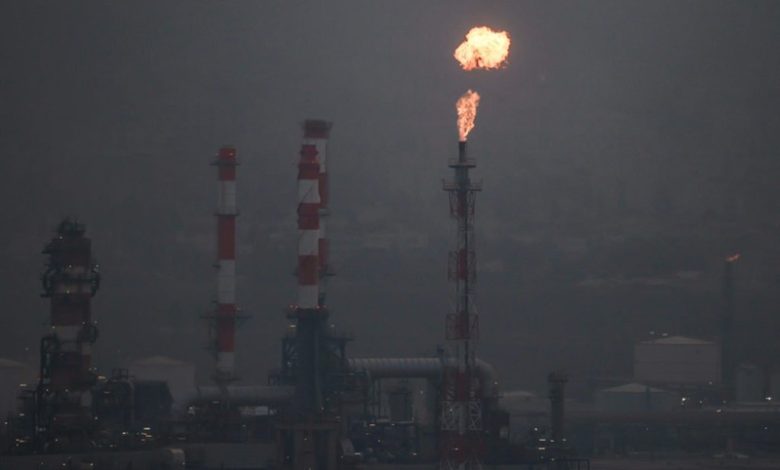
The waste-to-energy plant of Dubai is one of the most ambitious sustainability projects in this region that is going to transform waste into electricity and minimize landfills. The plant will be regarded as a significant advancement towards cleaner energy and effective waste management in 2026 when it goes fully operational. Nonetheless, professionals and environmental organizations are also concerned with emissions and environmental effects in the long run. The debate around the Dubai waste-to-energy plant 2026 highlights the balance between innovation and sustainability.
What Is Dubai’s Waste-to-Energy Plant?
The waste-to-energy (WTE) plant in Dubai converts municipal waste into electricity through controlled incineration.
- Processes thousands of tons of waste daily
- Reduces dependence on landfills
- Generates electricity for homes and businesses
It is one of the largest WTE facilities in the Middle East.
Benefits of the Waste-to-Energy Plant
Reducing Landfill Waste
Dubai aims to significantly reduce landfill use, and the WTE plant helps divert large amounts of waste away from dumping sites.
Energy Generation
The plant produces electricity, contributing to Dubai’s energy mix and reducing reliance on traditional fossil fuels.
Improved Waste Management
Modern technology allows for more efficient and organized waste disposal, supporting urban sustainability goals.
Emission and Environmental Concerns
Despite its benefits, the project has raised environmental questions.
Air Pollution Risks
Burning waste can release pollutants such as carbon dioxide and other emissions, which may impact air quality.
Carbon Emissions
While it reduces landfill methane, the process still produces greenhouse gases, raising concerns about its role in climate change.
Long-Term Sustainability
Critics argue that waste-to-energy may discourage recycling and waste reduction efforts.
Is It a Sustainable Solution?
The effectiveness of the WTE plant depends on how it is managed.
- Advanced filtration systems can reduce harmful emissions
- Integration with recycling programs can improve sustainability
- Continuous monitoring is required to meet environmental standards
The plant can be part of a broader sustainability strategy if properly regulated.
Dubai’s Future Waste Strategy
Dubai is working toward a zero-waste-to-landfill goal.
- Investment in recycling and circular economy initiatives
- Use of advanced waste management technologies
- Public awareness campaigns on reducing waste
The WTE plant is just one part of a larger environmental plan.
FAQs
What is a waste-to-energy plant?
It is a facility that converts waste into electricity through controlled burning or other processes.
Is Dubai’s WTE plant environmentally friendly?
It has benefits but also raises concerns about emissions, depending on how it is managed.
Does waste-to-energy reduce pollution?
It reduces landfill waste but may still produce emissions, requiring strict controls.