Darwin Cyclone Preparedness 2026: Are Systems Strong Enough?
Explore Darwin’s cyclone preparedness in 2026, including emergency systems, infrastructure, and whether the city is ready for extreme weather.

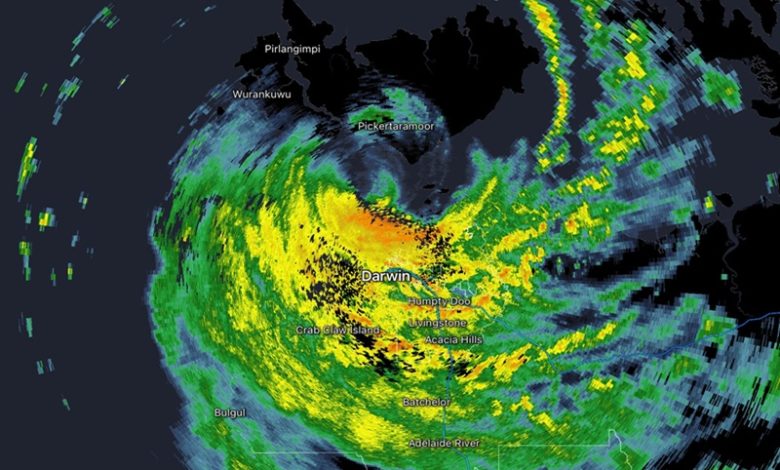
Darwin, which is in the Northern Territory of Australia, has not been a stranger to cyclones. Having a history of disastrous weather conditions, the city is fully invested in disaster preparedness. As climate change advances and tropical storms get more powerful in 2026, the question is being asked: are Darwin systems robust enough to deal with the cyclones in the future. Since the inception of early warning initiatives for infrastructural resiliency, the city is still developing its method of handling disasters. The focus now is on ensuring that Darwin cyclone preparedness 2026 can meet the challenges of increasingly severe weather conditions.
Why Cyclone Risk Is Increasing in Darwin
Darwin faces a high risk of cyclones due to its geographic location.
- Tropical climate: Warm ocean temperatures fuel cyclone formation
- Climate change: Stronger and more unpredictable storms
- Rising sea levels: Increased risk of storm surges and flooding
These factors are making cyclones more intense and potentially more destructive.
Current Cyclone Preparedness Systems
Darwin has developed strong disaster management systems over the years.
- Early warning systems: Advanced meteorological tracking and alerts
- Emergency response plans: Coordinated evacuation and rescue operations
- Cyclone shelters: Designated safe spaces for residents
These systems aim to minimize risk and protect lives during severe storms.
Infrastructure and Building Standards
After past disasters, Darwin improved construction standards.
- Buildings designed to withstand high wind speeds
- Stronger materials and engineering practices
- Strict building codes enforced across the city
Modern infrastructure plays a key role in reducing cyclone damage.
Challenges in 2026
Despite progress, several challenges remain.
- Increasing storm intensity: Stronger cyclones may exceed design limits
- Population growth: More people exposed to risk
- Aging infrastructure: Older buildings may not meet current standards
These issues raise concerns about long-term resilience.
Community Awareness and Preparedness
Public awareness is crucial for effective disaster response.
- Regular emergency drills and awareness campaigns
- Guidance on emergency kits and evacuation plans
- Use of mobile alerts and communication systems
Prepared communities respond more effectively during cyclones.
Are Darwin’s Systems Strong Enough?
Darwin has one of the most advanced cyclone preparedness systems in Australia. However, the increasing impact of climate change means that continuous upgrades and investments are necessary. While current systems provide strong protection, future resilience will depend on innovation, infrastructure improvements, and community readiness.
FAQs
Is Darwin prepared for cyclones in 2026?
Yes, Darwin has strong systems in place, including early warnings, shelters, and strict building standards.
What makes cyclones more dangerous now?
Climate change is increasing storm intensity and unpredictability.
How can residents stay safe during a cyclone?
By following official warnings, preparing emergency kits, and using designated shelters.