
Why Bengaluru’s Air Gets Worse Even Without More Traffic Or Smoke
Bengaluru’s air quality can worsen even without extra pollution sources. Stagnant winds and rising humidity trap particles near the ground, making weather a hidden driver of urban pollution.

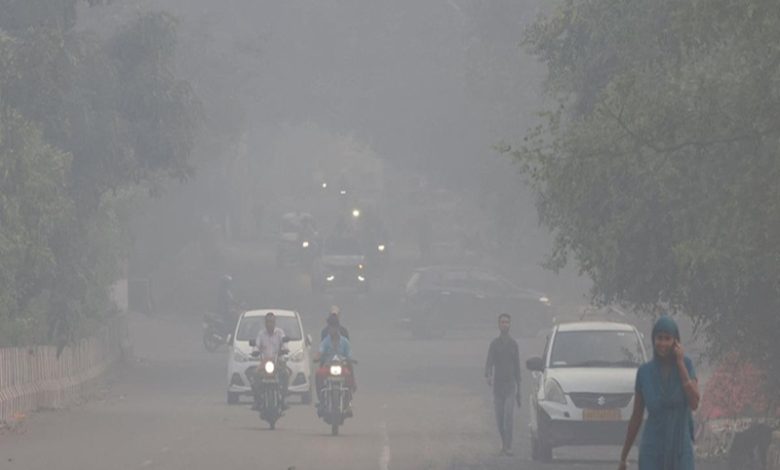
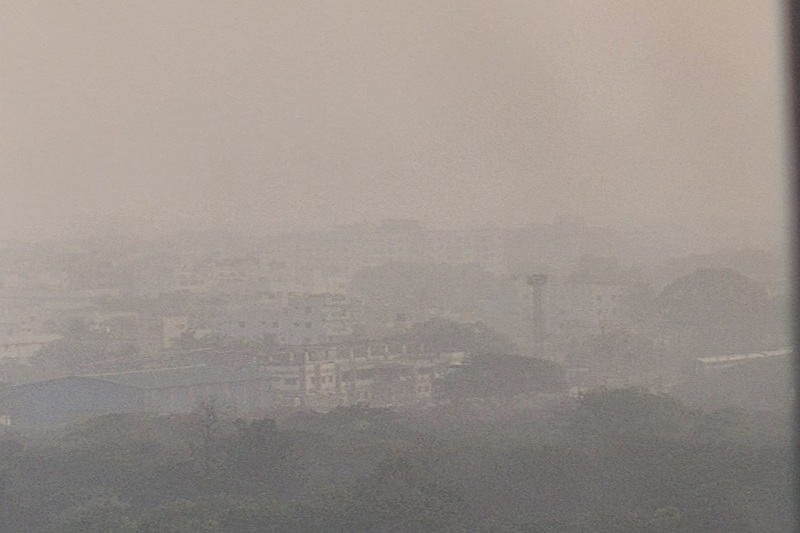
Bengaluru still sells the old postcard version of itself: breezy mornings, soft sunshine, and air that feels lighter than most Indian metros. But that image is getting shakier. A new analysis based on CPCB data says weather alone can push pollution levels sharply higher, even when emissions do not suddenly spike. In Bengaluru’s case, the hidden culprits are stagnation and moisture. When winds slow, pollutants stop dispersing. When humidity rises, particles can linger, grow heavier, and stay trapped closer to the ground. That means the city can feel “pleasant” and still breathe worse than expected.
Why Stagnation Is The Real Villain
Air pollution is not only about what comes out of tailpipes, construction sites, and dusty roads. It is also about what the atmosphere does next. Bengaluru’s urban weather stations recently showed calm to very light winds at several locations, including Hebbal and SaneguravaHalli, exactly the kind of setup that stops dirty air from clearing out fast. In plain words: if the city’s air is not moving, its pollution is not moving either. That is why even a city seen as relatively cleaner can suddenly post more worrying readings.
Moisture Makes Dirty Air Stick Around
Humidity sounds harmless, but it changes the chemistry of the sky. Moist air helps fine particles stay suspended and can intensify haze-like conditions, especially during calmer mornings and nights. The recent Climate Trends analysis found that meteorological conditions such as low wind speed and high humidity can worsen PM2.5 persistence by as much as 40% in cities including Bengaluru. That matters because PM2.5 is tiny enough to enter deep into the lungs, making “invisible bad air” more dangerous than it looks.
The Bengaluru Illusion
The city is still performing better than many larger Indian metros, but that advantage can hide a newer vulnerability: winter and transition-season pollution episodes shaped by local weather. Even reports describing Bengaluru as more resilient note signs of seasonal deterioration. So the takeaway is not panic; it is precision. A city can be cleaner overall and still face dirty-air windows driven mainly by atmospheric conditions.
Why This Matters Right Now
On March 16, 2026, IMD’s Bengaluru forecast showed mainly clear skies, morning humidity around 75% and light wind conditions in parts of the city. That combination does not guarantee a pollution spike, but it is exactly the kind of weather pattern experts watch closely. If emissions stay steady while dispersion weakens, air quality can worsen quietly, without dramatic smoke or dust.
What The City Should Watch Next
Bengaluru needs pollution planning that treats weather as a trigger, not background noise. Forecast-led alerts, tighter dust control on stagnant days, and public updates that connect AQI with wind and humidity would make a real difference. Mint’s official post is here.
FAQs
1. Can weather alone worsen Bengaluru’s air?
Yes, calm winds and humidity can trap pollutants even without major emission increases across the city.
2. What does stagnation mean in air pollution?
It means air stops moving enough to disperse pollutants, so dirty particles accumulate near ground.
3. Why is moisture a problem for AQI?
Moisture helps fine particles linger longer, grow heavier, and intensify haze during calmer conditions.
4. Is Bengaluru still cleaner than Delhi?
Overall yes, but seasonal weather can still create short polluted episodes that residents clearly notice.
5. What should residents check daily?
Watch AQI, wind speed, humidity, and local forecasts together instead of relying on temperature alone.