20 Things You Should Never Leave Inside a Car During a Heatwave
Learn 20 things you should never leave in a car during a heatwave. Protect children, pets, electronics, medicines, and valuables from extreme heat damage.

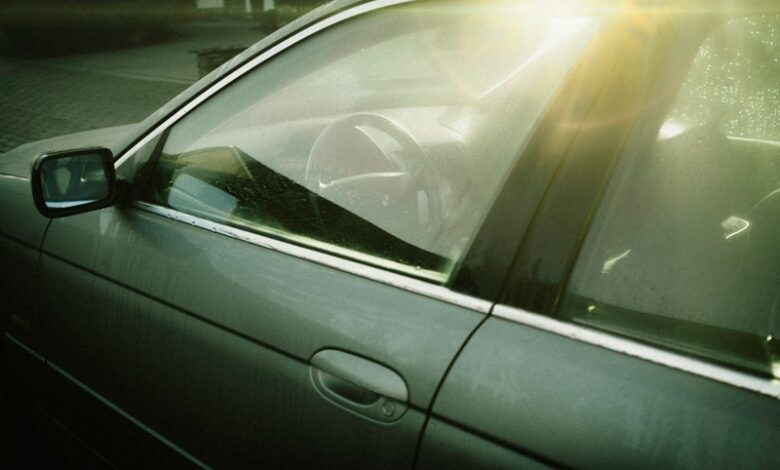
During a heatwave, the temperature inside a parked car can rise within minutes, even if the windows are slightly open. Extreme heat can damage everyday items, create safety hazards, and even cause fires or explosions. Here are 20 things you should never leave inside your car on a hot day.
1. Children
Never leave children unattended in a parked car, even for a few minutes. The temperature can become life-threatening very quickly.
2. Pets
Dogs, cats, and other pets can suffer from heatstroke in a matter of minutes inside a hot vehicle.
3. Bottled Water (Plastic)
Heat can cause chemicals from some plastic bottles to leach into the water, affecting its quality.
4. Medicines
Many medicines, including insulin and antibiotics, lose their effectiveness when exposed to high temperatures.
5. Laptops
Extreme heat can damage batteries, screens, and internal components.
6. Smartphones
High temperatures can cause phones to overheat, affecting battery life and performance.
7. Power Banks
Lithium-ion batteries can overheat, swell, or become a fire risk when exposed to excessive heat.
8. Aerosol Cans
Items such as deodorants, air fresheners, and spray paint can explode under extreme heat.
9. Disposable Lighters
Lighters may burst or leak if left inside a hot car.
10. Sunglasses
Plastic frames and lenses can warp or become damaged by prolonged heat exposure.
11. Cosmetics
Lipstick, makeup, sunscreen, and creams can melt or separate in high temperatures.
12. Perishable Food
Food can spoil quickly in a hot vehicle, increasing the risk of foodborne illness.
13. Chocolate
Chocolate melts rapidly in high temperatures, creating a sticky mess.
14. Dairy Products
Milk, yogurt, and cheese can spoil within a short time in extreme heat.
15. Carbonated Drinks
Soft drink cans may expand and burst due to rising pressure inside the container.
16. Batteries
Loose batteries can leak or become damaged when exposed to excessive heat.
17. Important Documents
Heat and sunlight can fade, warp, or damage passports, certificates, and other important papers.
18. Eyeglasses
Plastic frames and lens coatings may warp or deteriorate in extreme temperatures.
19. Candles
Candles can melt and damage your car’s interior.
20. Electronic Gadgets
Cameras, tablets, headphones, and other electronic devices can overheat and suffer permanent damage.
Conclusion
A parked car can become dangerously hot in a very short time during a heatwave. Removing heat-sensitive items and never leaving children or pets inside can help prevent accidents, protect your belongings, and keep everyone safe.
More heatwave stories worth reading.
Why Track Marine Heatwaves So Closely?
Uncover the science behind rising ocean temperatures.
How Are Heatwaves Hitting Transit?
See how extreme heat disrupts daily travel.
Why Are Nuclear Plants At Risk?
Find cooling challenges facing power stations.
How Do Heatwaves Threaten Reservoirs?
Browse key efforts protecting water supplies.
Which Countries Face Military Heatwaves?
Check out where extreme heat affects defense operations.
FAQs
Q: How hot can a parked car get during a heatwave?
A: The temperature inside a parked car can rise rapidly and become much hotter than the outside temperature within minutes.
Q: Is it safe to leave windows slightly open?
A: No. Slightly opening the windows does little to reduce the temperature inside the vehicle.
Q: Can electronics be damaged by heat?
A: Yes. High temperatures can damage batteries, screens, and other electronic components.
Q: Why shouldn’t medicines be left in a hot car?
A: Heat can reduce the effectiveness of many medicines and may make them unsafe to use.