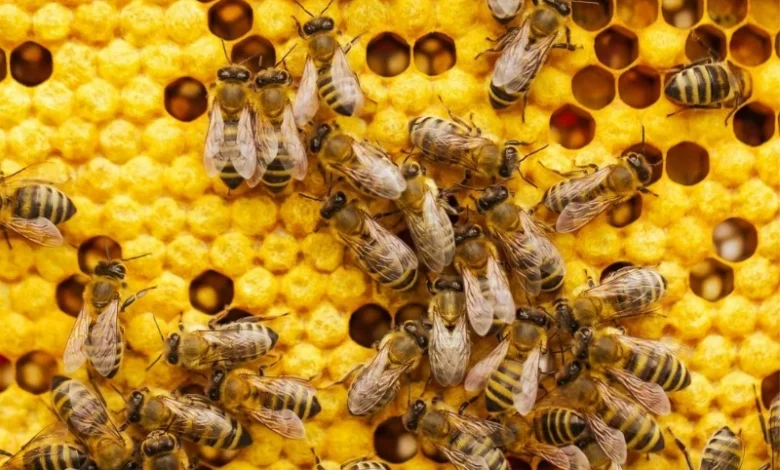
To protect bees from harm, the EU imposed a ban on the outdoor use of three neonicotinoids in 2018, however, the reports have been inconsistent on what happened next.
Has Exposure Declined?
The findings of a 2015 research study published in Nature indicated that the spread of neonicotinoids via coated seed had caused damage to bees. The University of Sussex team investigated the impact of regulations implemented in 2013 and discovered that although exposure to neonicotinoids in the bumblebee population living in farming areas had decreased, a defined majority of samples of nectar and pollen was still contaminated, while urban area gardens still held certain levels of risk.
Why Do Residues Persist?
Some studies conducted in France proved that traces of neonicotinoids were detectable in rapeseed nectar even five years after restrictions had been imposed. The levels of chemicals were varying significantly across the years. The ban had been introduced following the announcement made by EFSA in March 2018, which indicated that the health of both wild and domestic bees was endangered.
Are the Loopholes Making It Ineffective?
The organization Greenpeace has discovered that there had been 67 emergency exemptions over two years. The representatives of the Bayer company state that it shows farmers lack alternatives, so resilient crops from seed banks and richer soil could reduce dependence.
You May Also Like
Are We in a Mass Extinction?
Find out if the sixth mass extinction has already begun.
Which Species Are Recovering?
Meet the top ten endangered species making a comeback.
Can Markets Pay for Nature?
Explore whether biodiversity credits can fund conservation.