Eco-Friendly Tourism in Kashmir: How Travellers and Locals Can Turn a Government Call into Everyday Action
Eco-Friendly Tourism in Kashmir helps protect nature through local stays, less plastic, and direct bookings, supporting communities and sustainable trips..

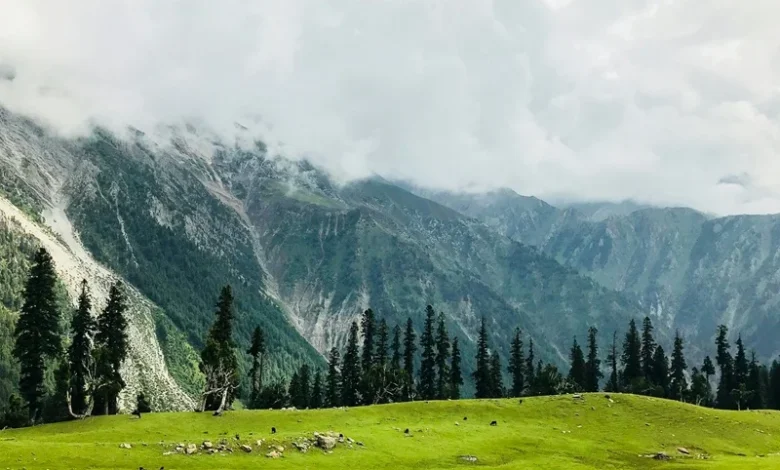
Kashmir is called heaven on earth. But heaven also needs care. Lieutenant Governor Manoj Sinha’s recent appeal to the stakeholders to make eco-friendly tourism a mass movement was not just a speech. He was pointing at a real problem: record numbers of tourists are putting pressure on lakes, forests and mountain trails beyond what local systems can cope with. Visitors and communities both have to do their part to make a sustainable travel economy work.
Why It Matters Outside Kashmir
Tourism boards around the world are having the same conversation. Venice restricts cruise ships. Bali has a fee for keeping the environment clean. Kashmir faces a similar challenge, but more acutely, given so many local livelihoods depend directly on nature staying healthy. If not managed, tourism can harm the system on which the boatmen of Dal Lake, the pony owners of the mountain trails, the pashmina weavers and the homestay families of remote areas like Gurez and Bangus depend.
What Real “Responsible Tourism” Looks Like
There are some concrete ideas in the government’s push that are good to know:
•Standards to certify green hotels and homestays so that travelers can spot truly sustainable stays.
•Training programs for local youth as nature guides and cultural custodians.
•Digital platforms that connect tourists directly to local artisans and homestay owners, cutting out middlemen.
•Better waste management and ban on single-use plastics around lakes and trekking routesThese are not hypothetical policies.
They shape the real visitor experience on the ground – from the quality of a homestay to whether a trail is littered or clean.
A Checklist for the Practical Visitor
If you’re planning a trip to Kashmir or some other fragile mountain destination, small choices can matter:
•Buy a reusable water bottle rather than repeatedly buy bottled water.
•Whenever possible, choose homestays from local families rather than big chain hotels.
•Hire local pony owners, boatmen and guides directly, not through unrelated agents.
•No single-use plastic bags and packaging on treks and lake tours.
•Buy handicrafts like pashmina or papier-mâché directly from the artisans instead of the resellers.
•Stay away from sensitive areas and respect wildlife and marked trails.
The Local Angle: Mobile Access & Direct Bookings
Many homestay owners in remote valleys still depend on basic smartphones and word of mouth rather than large booking platforms. That’s where digital connectivity matters. The government is supporting apps and local tourism guild listings are also slowly helping small operators get direct access to travelers, which means more of the income from tourism stays in the village, rather than going to intermediaries based elsewhere.
Why Local Communities Should Be Equal Stakeholders
The point that officials keep making is simple:
•Profits should not remain locked inside big enterprises.
•A boatman on Dal Lake or a weaver in a small workshop needs fair pay, training and a real stake in the growth of tourism.
•“Sustainable travel can only be sustainable in the long term if those who protect the environment also benefit financially from doing so.
Conclusion
Official conclaves and certification schemes are not sufficient to make eco-friendly tourism a real mass movement. It requires consistency in small decisions by travelers and local systems that continue to reward the families and workers who protect the land they live on. Kashmir is beautiful by nature. What happens next depends on the day-to-day choices of the visitors and the communities.
Travel light, spend time locally, and heaven on earth stays that way for the next visitor too.
Love Sustainable Travel? Read These Next!
Will Fiji Stay Untouched Forever?
Check out how rising tourism is reshaping Fiji’s fragile natural beauty.
How Jaipur Revived Forgotten Reservoirs?
Discover how eco-tourism is breathing new life into Jaipur’s historic dams.
Which Eco Destinations Lead 2025?
Browse the best eco-friendly travel spots making a global impact this year.
How Can You Travel Greener?
Find smart transportation options that make every trip more sustainable.
Where Are Himalayas’ Best Eco Spots?
Dive into breathtaking eco-tourism destinations across the majestic Himalayas.