The 2026 Balcony Garden Survival Guide: 7 Plants That Can Survive Extreme Indian Summer Heat

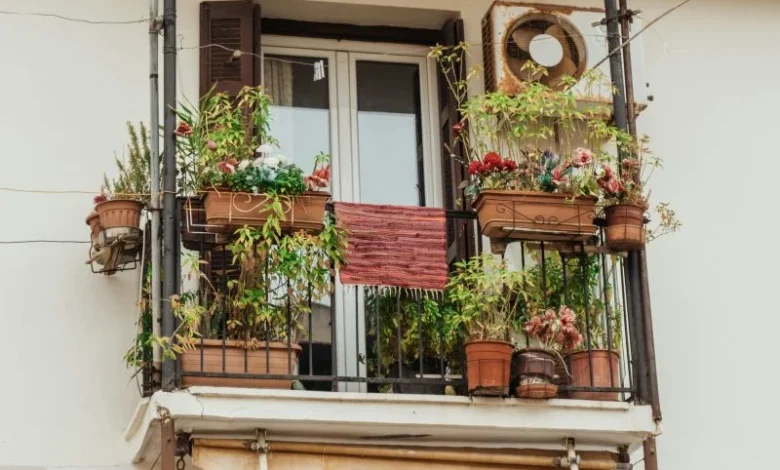
The oppressive heat across India in 2026 not only affects humans’ lives but also damages city balcony gardens at temperatures above 45 degrees Celsius. Many of the typical decorative plants will suffer from long periods of exposure to extreme heat, particularly on concrete balconies when the surface of those balconies will be extremely high.
Experts say that a select number of heat-tolerant plants will both survive and thrive in the Indian summer with very few resources and maintenance.
1. SNAKE PLANT:
– Endures high heat.
– Endures infrequent water.
– Endures loads of sun.
– Endures extremely dry air.
2. ALOE VERA:
– Stores water in the leaves and thus survives.
– Endures full sunlight.
– Survives dry soil better than many.
More Stories You Shouldn’t Miss
Which Hyderabad areas face worst heat?
Check the neighborhoods most vulnerable during extreme heatwaves in the city.
Which Indian cities face extreme heat?
Discover the regions across India at highest risk from rising temperatures.
Is major weather shift coming April?
Explore how upcoming weather changes could impact temperatures across India.
Which cities face climate risk 2026?
Check the urban areas under immediate environmental threat this year.
Why Chennai preparing early for heat?
Discover how Chennai is tackling rising temperatures and health risks early.
3. BOUGAINVILLEA:
– Greatly survives and thrives in horrendously high heat.
– Once it is established, it needs very little water.
– Gives a great deal of color to the balconies.
4. JADE PLANT:
– Uses little water.
– Water requires good drainage to survive.
– Requires moderate sun to grow.
5. PORTULACA (MOSS ROSE):
– Endures very intense sunshine.
– Endures very hot temperatures on the rooftops.
– Endures dry soil.
– Endures very hot winds.
6. ARECA PALM:
– Gives the balcony a cooling visual.
– Adds some humidity to the air around the balcony.
– Survives extremely well in hot weather if watered properly.
7. TULSI (HOLY BASIL):
– Has cultural value and will survive.
– Endures hot temperatures.
– Endures seasonal changes.
– Endures moderate sunlight.
Final Words
Heat-resistant plants, such as snake plants, aloe vera, bougainvillea, and portulaca, have been shown to provide greater reliability for households during harsh heat waves compared to less durable decorative type plants. As Indian cities continue to be impacted by high temperatures, creating climate-resilient balcony gardens will quickly become a practical lifestyle necessity for many urban households.
Frequently Asked Questions (FAQS)
Which type of plant grown on balconies tolerates extreme temperatures the best?
Some of the best options include snake plants, aloe vera, and bougainvillea, as they are among the most tolerant to heat.
How often should I water my balcony plants during a heat wave?
Typically watering should be done in the early morning or late afternoon depending on how dry your soil has become.
What causes balcony plants to die quicker than garden-based plants?
Typically, heat-reflecting surfaces, increased exposure to wind, and quicker soil drying contribute to the differential death of plants.
Can flowering plants be grown successfully during 45° C summer?
Yes! Both portulaca and bougainvillea are very resilient to heat and do well for growing flowering plants.