What Tehran’s Toxic Cloud Reveals About City-Level Environmental Fallout From Fuel Depot Fires
Tehran’s toxic smoke after fuel depot fires highlights rising urban environmental risks. Experts warn cities must rethink industrial safety and air crisis response plans now.

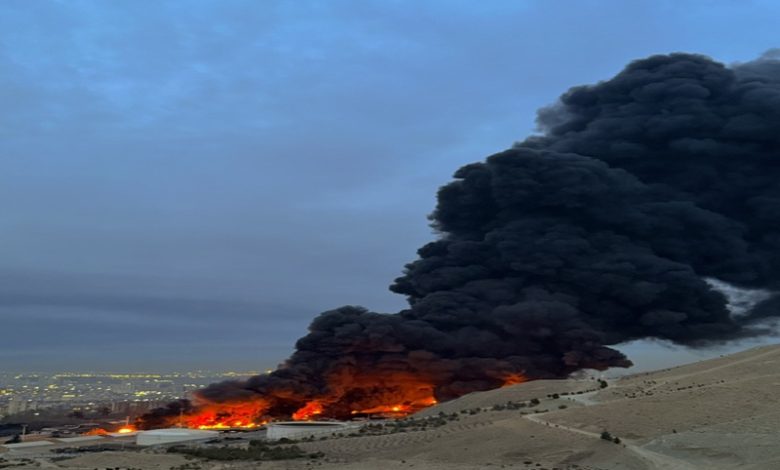
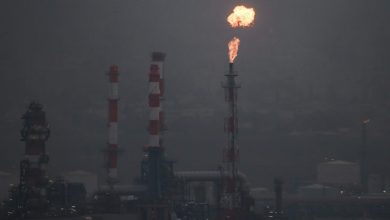
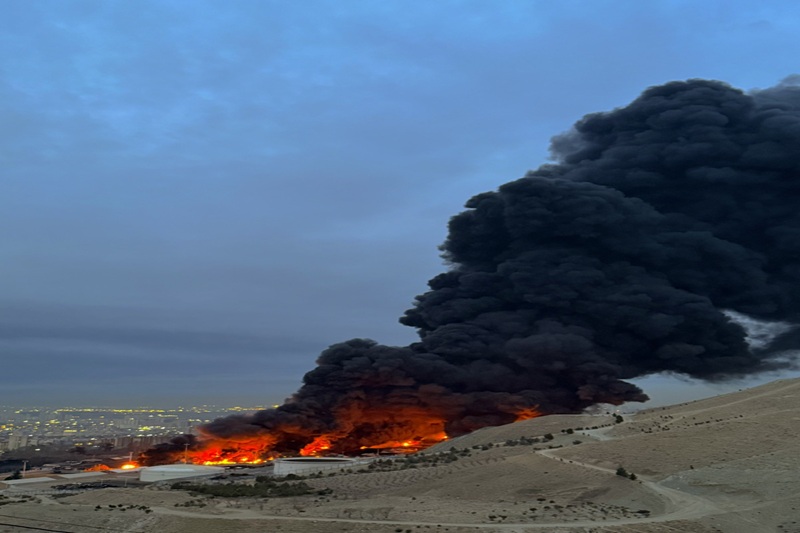
Tehran’s black smoke was not just a war image. It became a city story within hours: fuel depots burned, oily soot spread across neighbourhoods, and residents reported breathing trouble, headaches, and skin irritation after smoke and contaminated rain moved through the capital. Reports and satellite analysis say strikes in early March hit multiple fuel and oil sites, including the Shahran depot and the Tehran refinery area, sending toxic plumes over a city already known for bad air days. The result was a sharp reminder that when fuel storage burns inside or near a dense urban zone, the fallout moves far beyond the fire line.
Why Fuel Depot Fires Become City-Wide Environmental Disasters
A fuel depot fire does not stay local for long. Oil and fuel combustion can release fine particulate matter, sulfur dioxide, nitrogen oxides, volatile organic compounds, and soot that settles on roads, buildings, water channels, and skin. In Tehran, reporting described black rainfall, oil particles, and smoke that lingered for days, showing how one strike on energy infrastructure can turn into a wider urban health emergency. What looks like one fire on television can become a multi-day exposure event for millions.
The bigger lesson is about city systems. When a depot fire happens in a major capital, pressure falls on hospitals, emergency alerts, road management, drainage networks, and clean-up crews all at once. Tehran’s case showed how pollution can move through air first, then into sewage and runoff pathways, making the event both an air-quality crisis and a contamination problem. That is why urban planners now treat industrial fire risk as a public health issue, not only a firefighting issue.
What Makes The Fallout Harder To Control In Big Cities
Dense population is one problem. Existing pollution is another. Tehran already faces chronic air stress, so a toxic plume lands on top of a weak baseline. Add heat, wind shifts, and tightly packed roads, and even basic protective steps become harder. Residents may not know whether to evacuate, shelter indoors, avoid rain, or seek treatment. That confusion is common when cities lack clear fire-toxicity protocols for fuel infrastructure disasters.
Why This Story Matters Beyond Tehran
Tehran is a warning for every large city that stores fuel near homes, traffic corridors, or industrial belts. The smoke cloud showed that environmental fallout from depot fires is not only about flames or wartime damage. It is about how fast toxic exposure can cross neighbourhood lines, overload health systems, and leave residue in everyday urban life long after the visible fire drops. Cities plan for blasts. Many still do not plan enough for the poisoned air that follows.
FAQs
What caused Tehran’s toxic cloud?
Burning fuel depots and oil facilities released thick smoke, soot, gases, and contaminated particles over Tehran.
Why are fuel depot fires so dangerous?
They spread toxic pollutants fast, travel across districts, and create health risks beyond flames.
Can smoke from depot fires affect water systems?
Yes, runoff and oily residue can enter drains, sewage lines, and nearby surface water.
Who faces the highest health risk first?
Children, elderly residents, outdoor workers, and people with asthma or heart disease face greater risk.
What should cities learn from Tehran?
They need fire response, air alerts, hospital readiness, and pollution cleanup plans working together.