

Yemen has faced a crippling electricity crisis for years, worsened by conflict and damaged infrastructure. In response, the UAE, through its company Global South Utilities (GSU), is spearheading a transformative renewable energy push with large-scale solar power projects aimed at reshaping Yemen’s energy landscape.
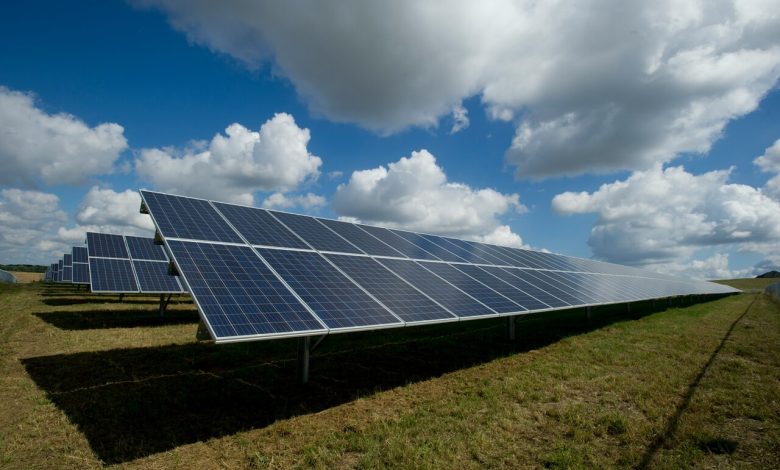
On August 28, 2025, GSU inaugurated the Shabwah Solar Power Plant, a 53 MW capacity facility in Ataq City, Shabwah governorate. This project is designed to provide clean electricity to around 330,000 households, generating approximately 118,642 megawatt-hours annually.
Importantly, it reduces carbon dioxide emissions by an estimated 62,727 tonnes every year, equivalent to taking thousands of vehicles off the road. The Shabwah plant features 85,644 solar panels, six transformer stations, a 15 MWh battery energy storage system to stabilize power supply during peak demand, and a 15-kilometer transmission line linking the plant to Yemen’s national grid.
Simultaneously, the Aden Solar Power Plant is undergoing a significant expansion. Its second phase, launched on the same day as Shabwah’s inauguration, will double the plant’s capacity from 120 MW to 240 MW by 2026. This expansion will deliver electricity to 687,000 households, making it Yemen’s largest solar facility.
Read Also : 10 Countries Leading Renewable Energy in 2025
Once fully operational, Aden’s combined solar installation will generate about 247,462 megawatt-hours annually, cutting nearly 222,000 tonnes of CO₂ emissions yearly. Together, the Shabwah and Aden projects will supply renewable power to over one million homes across Yemen.
These solar initiatives are more than just energy projects, they symbolize hope for a country long plunged into darkness. With $80 million financial backing from the Khalifa bin Zayed Al Nahyan Foundation and strong collaboration with Yemen’s Ministry of Electricity and Energy, the projects are expected to create around 1,000 construction jobs and 100 permanent roles, providing a welcome economic boost.
Yemen’s electricity infrastructure has suffered extensive damage due to prolonged conflict, leading to power outages of up to 20 hours daily in some regions. The new solar plants will significantly alleviate this deficit, powering homes, schools, and healthcare facilities in key districts. By reducing reliance on costly imported fuel and fossil fuel generators, these initiatives also contribute to improving air quality and strengthening Yemen’s climate resilience.
The success of the UAE-backed projects could pave the way for further renewable investments, potentially positioning Yemen as a regional leader in clean energy development, a vital step towards rebuilding the nation’s economy and infrastructure sustainably.