
Ranking Cities by Climate Comfort: Where Does Sydney Stand?
Sydney climate comfort ranking explained: discover how Sydney compares globally for weather, livability, temperature balance, and urban comfort today!!

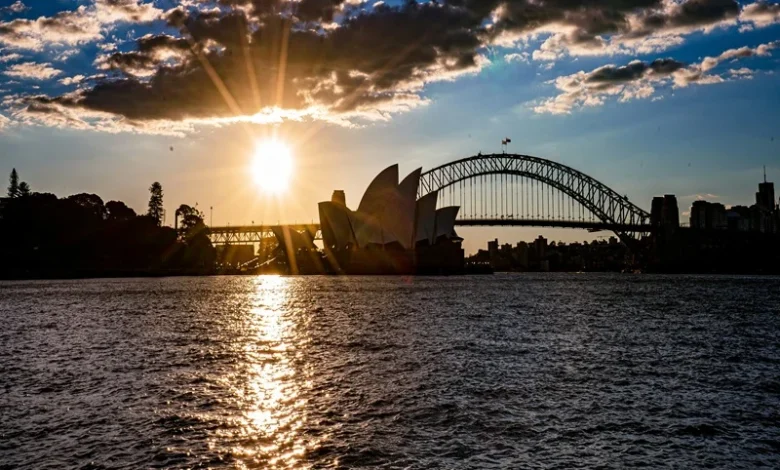
Climate comfort reflects how enjoyable and comfortable the weather is throughout the year. Climate comfort comprises more than temperature; humidity, precipitation, air quality, wind, and the frequency of extreme conditions all play a role. Cities that score high on climate comfort typically have:
- A mild summer and winter
- Balanced humidity (neither too dry nor too humid)
- Clean air and access to natural/green spaces or coastline
- Low frequency of heat waves, storms, and cold snaps
For this reason, many coastal cities do well in climate comfort because they receive natural regulating effects from the ocean. Sydney’s levels in terms of a global climate comfort rating.
Where Sydney Stands Globally
Sydney is always ranked as one of the top cities in the world based on the amount of temperate weather coming from its coastal. Sydney’s climate comfort rating from year to year is as follows:
- Summer: Warm (approximately 25-30 degrees Celsius) but moderated by ocean breezes.
- Winter: Mild and short (8-10 degrees Celsius, with rare exceptions).
- Air Quality: Typically better than most large urban centers globally.
- Sunshine: High with a balanced amount of precipitation received.
Compared to cities that experience the extremes of very cold, snowy winters and extremely hot summers, Sydney provides residents and visitors with stable and constant climate comfort year-round.
It is not all positive; in recent years, Sydney has experienced:
- Increased occurrences of heat waves.
- The effects of bushfire smoke on air quality.
- Intermittent heavy rains are causing flooding.
These will have slight negative effects on Sydney’s climate comfort rating over time.
How Sydney Compares to Other Cities
Generally, Sydney will be close to the top of the world city rankings.
Does better than: Cities with extreme temperatures (extremely hot and cold) or too much pollution
As Good As: Coastal cities that are on the Mediterranean, e.g., Barcelona or San Diego
Just behind: Cities that are similar to Lisbon, with very stable, moderate seasonal variations
Sydney has a strong point (moderate weather all year long) but it is rated a little lower than cities with a more stable climate.
Explore More Smart Reads
Explore NYC heat risk neighborhoods today?
Discover which areas face the highest heat and flood risks in New York City.
Check top vs lower floors heat impact?
Explore how floor levels affect heat exposure in Dubai homes.
Discover natural ways to cool homes?
Check simple and effective methods to keep your house cool during heatwaves.
Explore cities hit hardest by heatwaves?
Discover the top global cities facing extreme heat conditions in 2025.
Check NYC areas hottest at night?
Explore which neighborhoods experience intense nighttime urban heat in New York City.
Final Words
Sydney continues to be a top city in terms of temperature comfort across the globe with an abundance of sunshine, moderate winter temperatures and coastal living. However, whether Sydney keeps its current advantage in temperature comfort will depend on how well it responds to global climate change. The biggest question will not be about what rank Sydney has on the world temperature comfort index in the future, but whether it will continue to have an advantage globally in the future.
FAQs
1. Is the climate of Sydney one of the very best in the world?
Yes, most sources state, it is one of the easiest in the world to have a climate.
2. Does the city of Sydney ever have very extreme weather?
Yes, in recent years/s, heat waves, bushfires, as well as heavy rainfall on occasion have increased.
3. In terms of comparative weather comfort, how does Sydney compare with London?
Overall propositionally speaking, Sydney is much more comfortable than London and gets more sunshine than London; therefore…
4. Is climate change affecting how comfortable the climate is in the city of Sydney?
Yes, there is a gradual degradation in climatic stability in the city with increasing temperatures and more extreme weather events in recent decades.