
Green Energy Waste: What Happens to Old Solar Panels and Batteries?
Learn what happens to old solar panels and batteries, including recycling challenges, environmental risks, and future solutions.

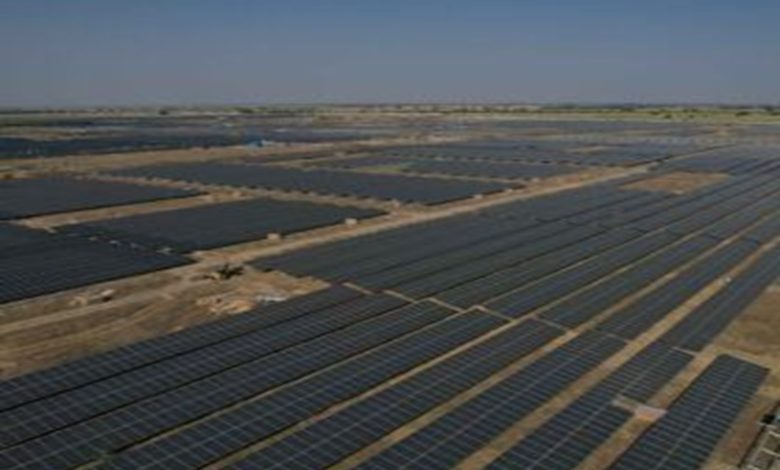
With the world turning to the use of renewable energy, solar panels and batteries are becoming a requirement in the production of clean energy. Nevertheless, there is a new problem arising in 2026, and that is green energy waste. Millions of solar panels and lithium-ion batteries are nearing the time when they wear out, and where to dispose of them and how they impact the environment has become an issue. Although renewable energy lowers carbon emissions, this waste should be handled, and it is vital to make sure that renewable energy is sustainable. The issue of what happens to old solar panels and batteries can be the key to establishing a truly circular green economy.
What Happens to Old Solar Panels?
Solar panels typically last 20–30 years, after which their efficiency declines.
- A significant portion of panels is recycled to get such materials as glass, aluminum, and silicon.
- Others are recycled or refurbished for the secondary consumer markets.
- Some of them even fail to recycle and end up in landfills.
Recycling rates are improving, but challenges remain in scaling solutions.
What Happens to Used Batteries?
Batteries, especially lithium-ion types used in EVs and storage systems, pose unique challenges.
- Valuable materials like lithium, cobalt, and nickel can be recovered
- Batteries can be repurposed for energy storage after initial use
- Improper disposal can lead to toxic leaks and fire risks
Battery recycling is becoming a major focus in the clean energy sector.
Environmental Risks of Green Energy Waste
Despite being eco-friendly during use, these technologies can create problems at end-of-life.
- Toxic chemicals may contaminate soil and water
- Increased electronic waste (e-waste) volumes
- Potential safety hazards from damaged batteries
Without proper systems, green energy waste can undermine sustainability goals.
Challenges in Recycling Solar Panels and Batteries
- High cost of recycling processes
- Lack of global infrastructure and facilities
- Complex material composition
- Limited awareness and regulation in some regions
These factors slow down effective waste management.
Solutions and Future Innovations
To address green energy waste, new solutions are emerging.
- Development of advanced recycling technologies
- Policies promoting extended producer responsibility (EPR)
- Designing panels and batteries for easy recycling
- Growth of circular economy models
Innovation will be key to reducing environmental impact.
Why This Issue Matters in 2026
As renewable energy adoption grows, so does the volume of waste.
- Millions of solar panels will reach end-of-life in the coming years
- EV battery demand is rapidly increasing
- Proper disposal systems are essential for long-term sustainability
Green energy must remain clean across its entire lifecycle.
FAQs
Can solar panels be recycled?
Yes, most components like glass and metal can be recycled, but processes are still developing.
Are old batteries dangerous?
Yes, if not handled properly, they can leak toxic chemicals or cause fires.
How can green energy waste be reduced?
Through better recycling systems, reuse, and sustainable product design.