
Why Antarctica’s Ross Sea Is Called the Last Healthy Ocean Ecosystem
Discover why Antarctica’s Ross Sea is considered the last healthy ocean ecosystem and how conservation efforts are protecting its unique marine life.

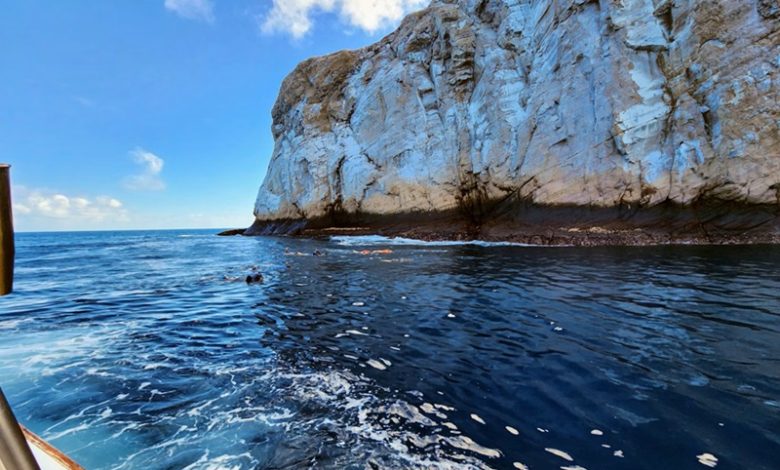
The Ross Sea ocean ecosystem in Antarctica is widely regarded by scientists as one of the most pristine marine environments on Earth. This remote area is in the Southern Ocean, and to date, it has not been significantly affected by large-scale human activity, so its natural ecological processes have not been significantly disturbed. The Ross Sea is a marine ecosystem that is rich in marine life and biodiversity complex and supports a balanced food web comprising penguins, seals, whales, and fish species. Because of its unique ecological stability and minimal industrial impact, the Ross Sea has become a major focus for Antarctica marine conservation efforts and international research.
Ross Sea Ocean Ecosystem and Antarctic Biodiversity
The Ross Sea ocean ecosystem is home to an extraordinary variety of wildlife and marine habitats that make it one of the most productive areas in the Southern Ocean.
- Endemic species of the sea: The area has Antarctic toothfish, krill, and numerous other species that are used to living in a polar environment.
- Large populations of penguins and whales: Emperor and Adélie penguins, humpback and minke whales are all relying on the food in the Ross Sea.
- Uninterrupted food web: Compared to most other oceans in which overfishing has occurred, the Ross Sea has a natural predator-prey relationship.
Why Scientists Call the Ross Sea the Last Healthy Ocean
Researchers often refer to the Ross Sea as the last healthy ocean because it has remained relatively free from intensive industrial exploitation.
- Low human activities: Its isolated location has decreased mass fishing, pollution, and shipping.
- Protected marine reserve: One of the largest marine reserves in the world is the Ross Sea Marine Protected Area, which was created in 2016.
- Climate research value: The Ross Sea is being studied by scientists to determine the functioning and response of healthy ocean ecosystems to climate change.
Conservation Efforts Protecting the Ross Sea
Protecting the Ross Sea requires global cooperation and ongoing scientific monitoring.
- International marine protection agreements: Countries participating in Antarctic governance collaborate to preserve the region’s ecosystems.
- Scientific monitoring programs: Researchers study marine life populations and environmental changes in the Ross Sea.
- Sustainable fishing regulations: Strict limits on fishing help maintain the ecological balance of the Ross Sea marine reserve.
FAQs
1. Why is the Ross Sea important to scientists?
The Ross Sea is considered one of the most intact marine ecosystems on Earth, offering scientists a rare opportunity to study how healthy oceans function.
2. What animals live in the Ross Sea?
The region supports a wide range of species, including penguins, seals, whales, Antarctic toothfish, and large populations of krill.
3. Is the Ross Sea protected?
Yes, the Ross Sea Marine Protected Area is one of the world’s largest marine reserves, created to preserve its ecosystems and biodiversity.
4. Why is Antarctic ocean conservation important?
Protecting Antarctic ecosystems helps maintain global biodiversity, supports climate research, and safeguards marine species that depend on these fragile habitats.