For 30 Years, the World Had It Wrong: Solving the Mystery of Everest’s ‘Green Boots’

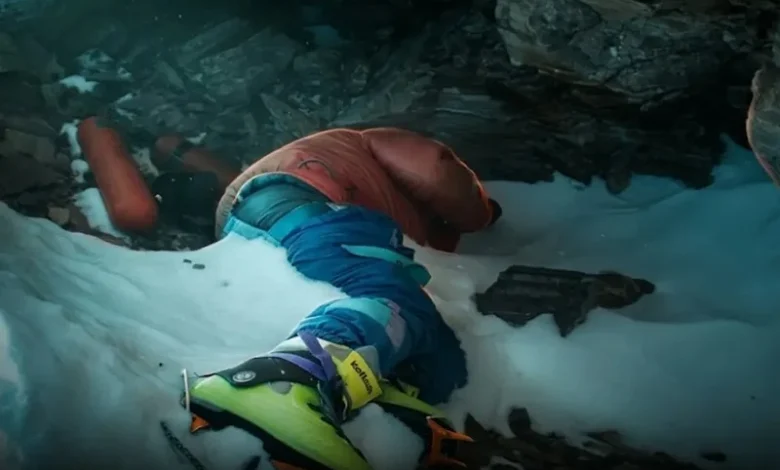
For nearly thirty years, every climber heading up the north side of Mount Everest passed the same frozen figure tucked into a limestone alcove. Climbers called him Green Boots, named after the bright green mountaineering boots still on his feet. Everyone assumed they knew his name. It turns out they did not.
Who the World Thought Green Boots Was
For years, the body was widely believed to be Tsewang Paljor, a young Indian police officer who died during the deadly May 1996 storm that killed eight climbers across the mountain that season. Paljor was part of a six-member Indo-Tibetan Border Police (ITBP) team attempting the first Indian ascent from the northeast ridge. His name became so tightly linked to the body that guidebooks, documentaries and news reports repeated it as settled fact.
What the New Evidence Actually Shows
That assumption has now collapsed. In 2026, the ITBP confirmed through DNA testing that the man in the alcove was not Paljor at all but his teammate, Lance Naik Dorje Morup. A quiet 2024 mission had quietly collected genetic samples from the remains, and the results were only made official this year as the force filed a recovery tender to bring the body home.
Three ITBP climbers pushed for the summit that day despite a sudden blizzard. All three died. For decades, nobody could say for certain which man ended up in that cave, largely because extreme altitude, decomposition and the sheer danger of the death zone make identification almost impossible without lab testing.
Why the Green Boots Mystery Took So Long to Solve
Recovering anybody above 8,000 meters is extraordinarily risky and expensive. Rescuers must operate in the so-called death zone, where oxygen levels are too low to sustain life for long. That is a major reason the truth stayed buried for so long, quite literally.
What This Means Going Forward
- Nepal’s army has run high-altitude cleanup missions on the south side since 2019.
- A five-year Everest Cleaning Action Plan through 2029 is now testing heavy-lift drones for high-camp recovery work.
- Any repatriation of Morup’s remains will require coordination between Chinese, Nepali and Indian authorities before the body reaches Kathmandu and then India.
Quick Facts Checklist
- Green Boots died on 10 May 1996 during a summit push.
- The body became one of Everest’s most recognized landmarks until it was moved in 2014.
- DNA testing in 2024, confirmed in 2026, identified the climber as Dorje Morup, not Tsewang Paljor.
- A formal recovery effort is now underway.
Conclusion
The story of Green Boots is a reminder that even the most repeated version of a story is not always the true one. Thirty years of assumption have finally given way to hard evidence, and a family may soon get the closure they were denied for three decades. As recovery technology improves, more of Everest’s silent landmarks may finally get their real names back.
Explore More Global Stories
Where Is Christmas Truly Tropical?
Discover unforgettable holiday escapes.
Do Weather Alerts Confuse You?
Understand every warning level.
How Should Electronics Be Recycled?
Find safe disposal methods.
Which Disasters Changed The Planet?
Browse the biggest environmental events.
Which Cities Face Extreme Heat?
Explore places hit by record temperatures.