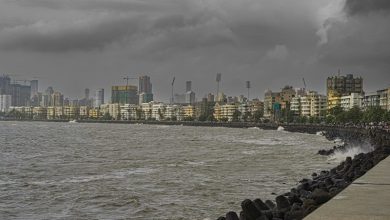

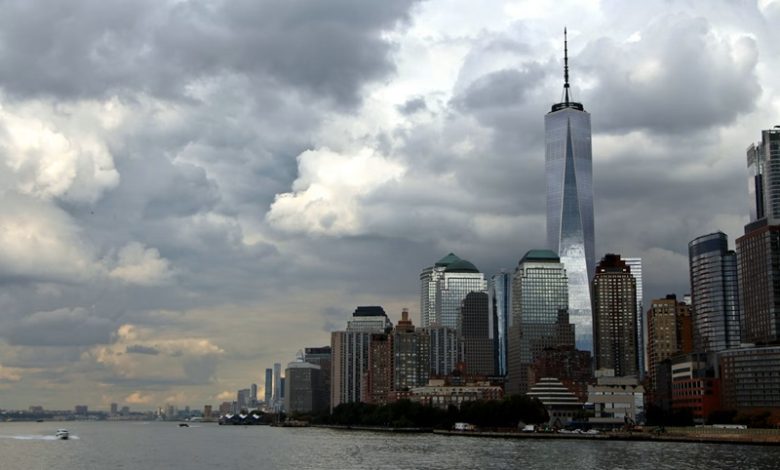
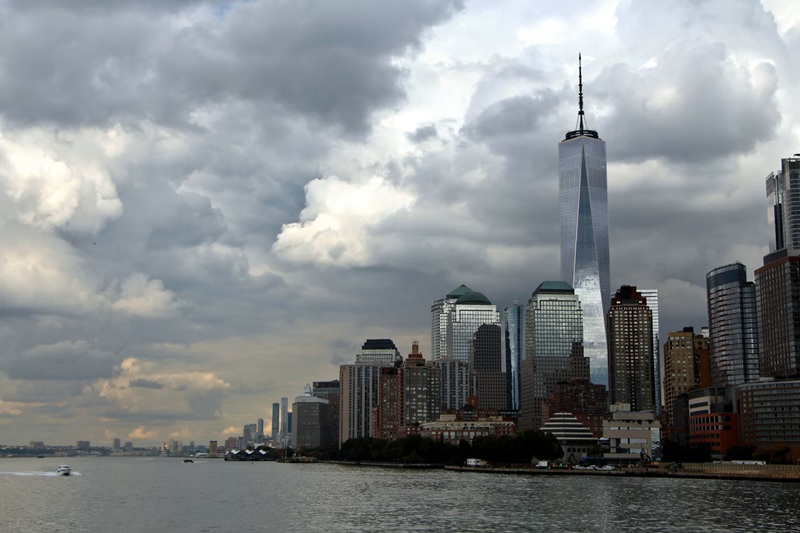
Regularly, the city of New York is subject to strong weather systems such as hurricanes, nor-easters and heavy rain. The coastal location, high density of population, and complex infrastructure of the city mean that one storm can greatly affect the way people live their everyday lives. It is best to be prepared for any type of severe weather in advance. That way, you can protect your life and property from being lost.
Before the Storm: Preparation Essentials
The best preparation steps start long before a storm is business as usual (or even before there are any storm warnings). Every household should have at least a basic emergency kit that includes water, non-perishable food, flashlights, batteries, first-aid items and backups for charging their phones. Keep important documents safe in waterproof containers.
Know the evacuation zone you live in and determine if your area is susceptible to flooding. Receive notifications of the storm from an accurate source, such as the National Weather Service.
During the Storm: Staying Safe
When the storm occurs, keeping yourself safe is a matter of reducing the amount of time you are in danger and following the instructions that the government provides to you (as to how to stay safe).
For example, folks should just stay inside during the storm and refrain from moving around unnecessarily, primarily due to the likelihood that high winds or debris that may be thrown at you or by something blowing around outside can severely hurt or kill a person. Never walk over flooded streets (whether by walking or driving), no matter how shallow the water might be or what is on the other side of the street. Power outages are frequent occurrences during severe weather events.
After the Storm: Recovery and Caution
Hazards may still exist after the storm has finished passing through your area. Residents need to look for visible signs of damage like damaged buildings, exposed wires, and possible gas leaks, and report them to local authorities. Any floodwater should be treated as if it is contaminated, and try to avoid contact with it whenever possible.
It is also very important to document any damage done to property due to the flood for insurance purposes. It may take a while for public services like transportation and electricity to return to their normal state, so be aware and patient during this period of time. Continued monitoring of official updates will help determine when is safe to resume normal activity.
Final Thoughts
Preparing for a storm in New York City is more than just reacting after the storm hits. It involves preparation by planning ahead: having an emergency supply kit ready, knowing how to evacuate safely, doing a small number of responsible actions that can help protect you against the storm impact, etc. If you live in an environment where the weather(s) fluctuate frequently you will need to be extra careful – as preparedness will ensure your safety and well-being.
FAQs
1. What kinds of storms hit New York City?
New York City gets damage from hurricanes, nor’easters, severe rainfall, and wintertime storms.
2. How do I figure out if I need to vacate?
Investigate your evacuation zone and pay attention to alerts from local officials.
3. What items do I need to have in my emergency kit?
That would include food that does not spoil quickly (non-perishable). You will want to have plenty of water. Other items you will need are flashlights, batteries, first-aid supplies, and important documents.
4. Should I be outdoors during a storm?
Staying inside safe is the best option, due to danger from high winds and flying things.