
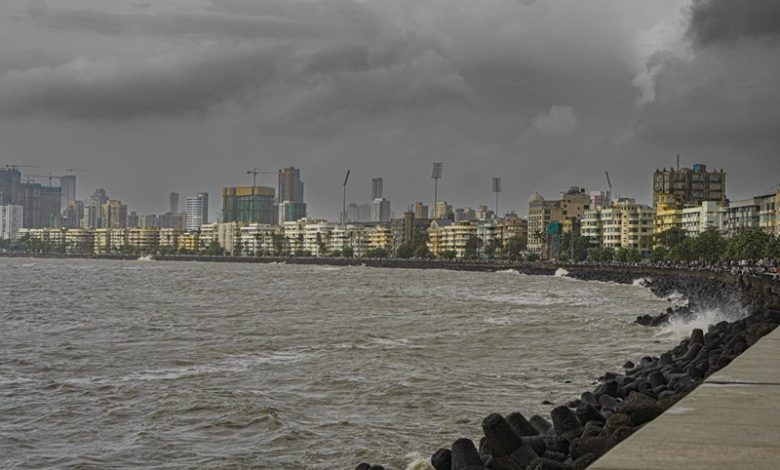
Flood-prone coastal areas such as Mumbai, India’s financial capital, face recurring problems due to rising sea levels, extreme monsoonal weather and urbanisation of the city. By 2020, the government will have many solutions (i.e., large infrastructure projects, climate-oriented planning) in place to improve resiliency to flooding.
Major Infrastructure Projects Driving Change
Mumbai is making improvements through infrastructure renovation to address flooding.
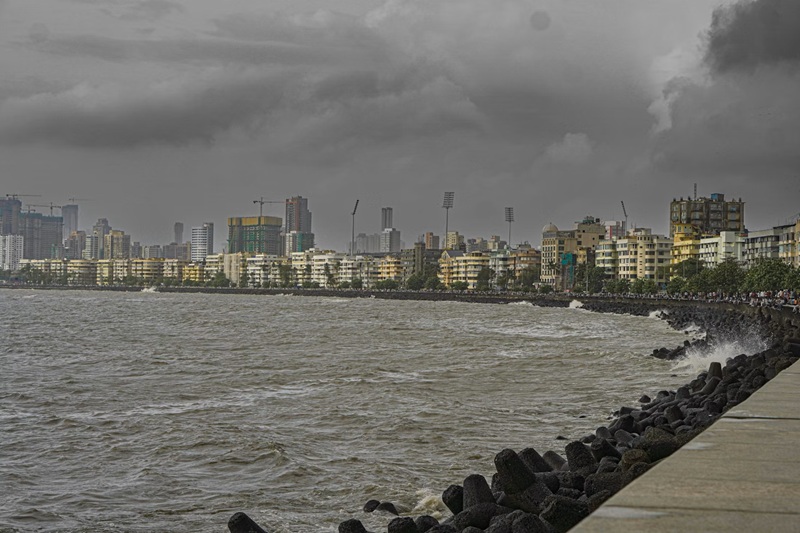
The most visible improvement is in the Mumbai Coastal Road project, which promotes connectivity and implements solutions for improving the drainage system and flood protection through expanded stormwater drainage systems and the installation of sea walls to prevent coastal flooding.
The Mithi River is the primary drainage outlet for the city. Over the years, the river has become contaminated and has lost its carrying capacity due to rampant human development. This has resulted in an increase in flood frequency and intensity in the community.
The city has made significant investments to restore the Mithi River:
- Cleaning and expanding its width
- Building tunnels to divert raw sewage into the receiving body of water
- Building pumping facilities and flood gates to direct the stormwater that is deposited on the shoreline to several designated locations.
Nature-Based Solutions and Environmental Challenges
Historically, mangroves were the natural windbreak of the coastline. They provided protection from high wave energy through the absorption of energy from storm events and reduced the potential for tidal flooding. Due to the large-scale construction of infrastructure along the coastline, thousands of mangroves have been removed from the ocean side of Mumbai’s coastline. This raises concerns regarding the city/county’s ability to thrive over time without these natural barriers.
This has sparked considerable debate:
- The use of new infrastructure will improve transportation networks and drainage systems
- The removal of the natural buffers will result in an increased focus on the need to identify and develop other resilient redevelopment options.
- In general, as developments continue on the coastline, they may allow for new innovations to help foster the development of new natural barriers.
Climate Planning and Long-Term Strategy
The Mumbai Climate Action Plan represents Mumbai’s long-term strategy to combat climate risks, including flooding. Its main objectives are:
– Urban flood management systems
– Coastal protection solutions
– Sustainable urban development
– Use of data to develop maps of risk zones
What Residents Need to Know
In the year 2026, the city of Mumbai identifies and continues to identify many locations that are prone to flooding and there is still a large amount of localised waterlogging during heavy rainfall (or during peak monsoon months) in the city.
As such, as a resident you should:
– Know where your nearest flood zones are, and avoid walking through them or driving through them when there are flood warnings in place.
– Follow all monsoon warnings and civic advisories.
– When there is heavy rainfall, avoid driving on low-traffic roadways in your part of the city.
– When the city has announcements regarding disruption of public transportation services as a result of weather, plan ahead for potential delays.
Final Thoughts
Mumbai’s fight against coastal flooding consists of a mixture of engineering, environmental management, and long term planning. Improvements to drainage systems, construction of coastal roads, and river rejuvenation projects have had a positive impact, however, there is still a long road ahead; especially with respect to ecological balance and the growing urbanisation of Mumbai.
FAQs
1. Why does Mumbai experience frequent flooding?
Due to heavy monsoon rains, low-lying coastal geography, poor drainage, and rising sea levels.
2. What is the Mithi River project?
It is a major initiative to clean, widen, and improve the river’s drainage capacity to reduce flooding.
3. How does the Coastal Road help with flooding?
It includes improved drainage systems and coastal protection measures to manage stormwater and tidal impact.
4. Are mangroves important for flood control?
Yes, they act as natural barriers that reduce tidal flooding and coastal erosion.