Mistakes to Avoid When Buying Property in Toronto (Climate Edition)
Avoid costly mistakes when buying property in Toronto. Learn about flood risks, insulation, heat impact, and insurance costs before investing in 2026.

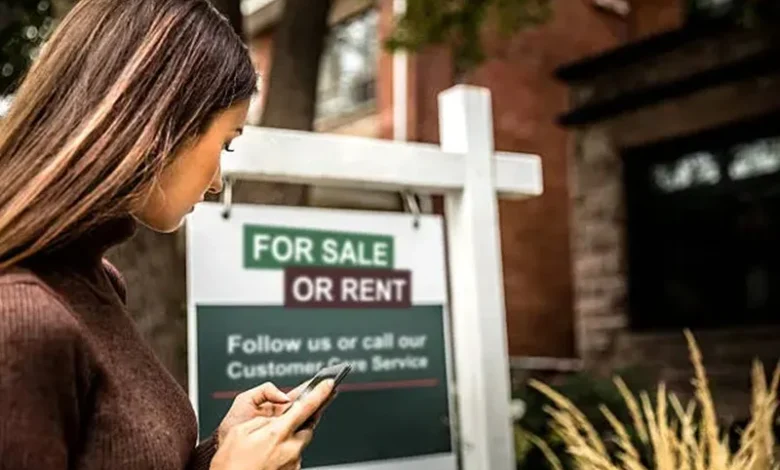
Purchase of real estate in Toronto no longer solely hinges on the factors of location, cost, and amenities; climate resilience is now a major element of the real estate equation. As of 2026, climate risk will play a significant role in determining maintenance costs, insurance costs, comfort to occupants, and long-term value of the property, due to the various climate risks, including flooding, high rainfalls, extreme cold in winter months, and extreme heat in summer months. Not considering climate risk when buying real estate could turn what may have been a good real estate investment into a very expensive real estate mistake.
Ignoring Flood Risk and Local Drainage Conditions
One key mistake home buyers make is failing to properly evaluate flood risk prior to purchasing a home. In Toronto, there are numerous properties that either back onto or are within close proximity of rivers, ravines, or Lake Ontario where properties are thereby more susceptible to flooding as a result of high rainfall levels or rapid snow melt.
Contrary to the assumption of potential buyers that flood events are rare; flooding on your property can create long-term adverse structural problems; even where minor flooding may occur. Materials typically found in basements, foundations and electrical systems can be easily damaged due to localized flooding. When purchasing property in older neighbourhoods; where outdated drainage systems exist, the risk of flooding is even more pronounced.
Underestimating Heating Efficiency and Insulation
Toronto has a long, cold winter climate; therefore, it is important to evaluate energy efficiency for heating due to its effect on living expenses. Some home buyers do not consider how much an impact energy efficiency and quality of insulation have on their monthly energy bills.
If your newly-purchased home is poorly insulated, the heating system in the home will need to work longer and harder to keep the house warm, which increases your monthly energy bill. Additionally, drafty windows, poorly sealed entry doors and inefficient heating systems can significantly contribute to your total monthly utility expenses.
Ignoring Summer Heat and Urban Heat Effects
You may have winter on your mind but summer is becoming warmer in Toronto and urban heat has become a growing concern. Buyers tend to ignore how a home handles extreme temperatures in the summer.
Houses built in dense areas with limited greenery trap heat inside and raise the need for air conditioning. Poorly vented homes with no awnings or tree shade create indoor environments that become uncomfortably hot.
Stay Ahead of the Heat Curve
Best solar panels to buy India 2026?
Check which solar panel brands offer the best value and performance in India.
Are solar trees the future energy?
Discover how innovative solar trees could transform urban green energy solutions.
Why is solar cheaper than fossil?
Explore the global shift making solar power more affordable than traditional fuels.
Which Hyderabad areas face worst heat?
Check the neighborhoods most vulnerable during extreme heatwaves in the city.
Which Indian cities face extreme heat?
Discover the regions across India at highest risk from rising temperatures.
Not Considering Insurance Costs and Long-Term Risk
A mistake buyers make is not to take climate-related risks into consideration when determining insurance rates and long-term financial health. The higher the risk for homes in low-lying wetland areas, the higher the insurance costs are likely to be; this is because your insurance policy may have limitations on the amount paid out for repairs or replacement of property lost due to harmful weather events.
In addition, climate-related risks will affect the future resale value of your property. As more people learn about climate change risks, some will be more hesitant to purchase a property with existing problems that are known.
Final Insight
With Toronto’s changing climate, buying a house goes beyond the typical checklist items. Some considerations include: flooding, insulation, heat exposure, and infrastructure resiliency.
By avoiding these mistakes, you avoid surprises and costs, and you can enjoy your home in comfort and stability for years to come. A climate-conscience approach is no longer a desirable feature; it is necessary for making smart real estate purchases.
FAQs
1. Why is flood risk important when buying property in Toronto?
Because flooding can cause major structural damage and lead to costly repairs.
2. Are basements a risk in Toronto homes?
Yes, especially if they are not properly waterproofed or maintained.
3. How does insulation affect costs?
Poor insulation increases heating bills and reduces comfort during winter.
4. Is summer heat a concern in Toronto?
Yes, especially in dense urban areas with limited greenery.