
Microplastics have turned out to be one of the most disturbing environmental and human health issues of the contemporary generation. Formerly perceived as a problem of ocean pollution, today these microscopic-sized plastic particles are being found in nearly every single place, including in the deep-sea ecosystems and in the drinking water, as well as in the air we breathe and even in the human body itself.
Microplastics have been discovered in blood, lungs, placentas, and other tissues, posing urgent concerns regarding the impact of microplastics on human health in the long run. Evidence is accumulating, and it is increasingly difficult to ignore the fact that microplastics are not only an environmental crisis but also a growing menace to the well-being of humans.
What Are Microplastics and Why Are They So Widespread?
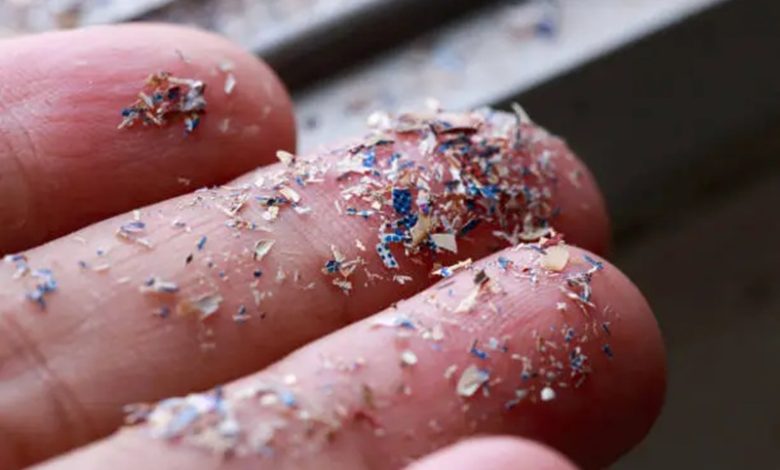
Microplastics are very minute-sized plastic materials that are typically less than five millimetres. They are the result of the disintegration of bigger plastic materials like bottles, packaging, fishing nets, and fibres of synthetic materials used in clothing. A few of them are also made deliberately to be industrial or commercial, such as small plastic balls once used in cosmetics and cleaning products.
Due to the high level of plastic consumption in our everyday lives, there has been an incredible rate of distribution of microplastics around the globe. They are transported by wind, rivers, rainwater, and ocean currents, which makes them travel a long distance away from their source. That is why they are being discovered by the scientists in icy regions of the Arctic and mountain ranges, farmland and marine food webs.
Microplastics Are Polluting Oceans, Rivers, and Food Systems
The seas have been among the most prominent casualties of microplastic contamination. Plastic debris has now become ubiquitous, with tiny pieces detected on the coast and in the deepest regions of the ocean. Seabirds, shellfish, fish and other marine animals tend to confuse microplastics with food, resulting in internal injuries, starvation and exposure to toxic chemicals.
The food chain is also being infiltrated by microplastics. One of the major routes is seafood, although it is not the only one. Research has revealed that microplastics have the potential to pollute salt, bottled water, tap water, fruits, vegetables, and even packaged food. Given that plastic waste decomposes in the environment, it causes what can be described as a vicious circle of contamination, which is hard to reverse.
Scientists Are Finding Microplastics Inside the Human Body
The most disturbing issue is that microplastics are getting into and depositing within the human body. Scientists have identified these particles in the human blood, lungs, placenta, breast milk and stool samples. Their existence implies that human beings are exposed to eating, consuming, drinking water, and inhalation.
Though the total effect is yet to be researched, there is a concern that microplastics could cause inflammation, oxidative stress, disruption of hormones, and cell damage. There are also some particles that might have toxic chemicals or dangerous microbes on their surfaces. Although scientists have indicated that there is a need to conduct more research in the long term, the reality that the plastic particles are being identified in sensitive human tissue has heightened the pressure on plastic control measures and raised awareness among the population.
Why Microplastics Could Become a Major Public Health Issue
The greatest difficulty is that it is almost impossible to avoid the use of microplastics to the fullest extent. They are deposited in consumer products, in industrial systems, and in food wrappings, as well as in household dust. It implies that exposure could take place on a daily basis, usually without the notice of people.
Policymakers are also being pressured to take action as scientists engage in research to find out the behaviour of microplastics within the body. The decrease in the use of single-use plastics, the enhancement of recycling systems, industrial waste regulation, and investments in safer alternatives are all becoming essential measures.
The crisis of microplastics does not only concern the contaminated beaches or floating debris anymore; it concerns the extent to which plastic has penetrated the natural environment, and to which human life itself has been contaminated.
FAQs
1. What are microplastics?
Microplastics are small plastic fragments less than five millimetres, which are commonly formed when a bigger piece of plastic decomposes in the environment.
2. What is the location of microplastics?
Microplastics are located in oceans, rivers, soil, air, drinking water, and food, as well as in the human body.
3. What are the ways of entry of microplastics into the human body?
They may be introduced by contaminated food, drinking water, inhaling airborne pollutants and contact with plastic-containing environments.
4. Do microplastics have negative impacts on human health?
The long-term effects are still under investigation by scientists, although the inflammation, hormone impairment, and potential cell damage are of concern.
5. What can individuals do to decrease their exposure to microplastics?
Exposure could be reduced by using less and less single-use plastic, not overloading on plastic packaging, using natural fibres, and filtering drinking water.