
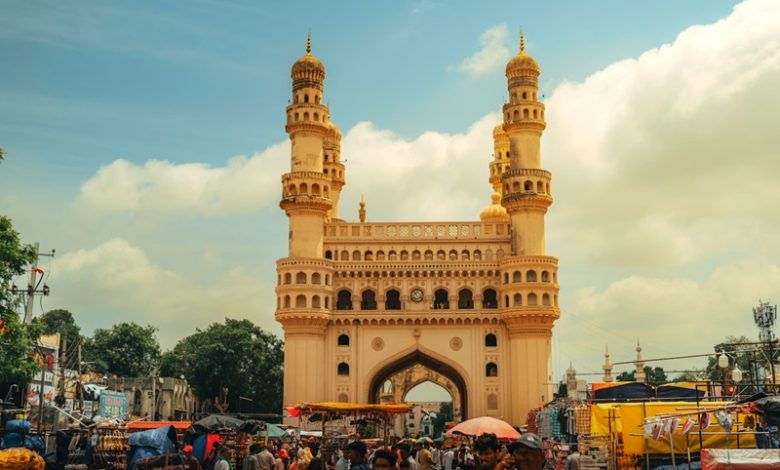
The frequency of heatwaves occurring with temperatures above 40 degrees Celsius has increased from four years ago (2026) to become an ordinary event. Hyderabad residents must learn about their exposure to extreme heat as well as how to protect themselves.
Areas Most at Risk in Hyderabad
Hotter temperatures throughout the summer can be attributed to different factors such as urban design, land use, location, and density of residences. Regions with unique characteristics, such as the presence of vegetation, can help reduce the impact of higher summer temperatures.
Dense Urban and Commercial Zones
Regions with dense concentrations of multi-level buildings, concrete streets, and high vehicle traffic will create Heat Islands and not provide adequate cooling at night. Thus, residential communities that are adjacent to commercial areas will be susceptible to much higher temperatures (night) and will typically be less comfortable for those who are trying to cool off.
Low Green Cover Neighbourhoods
Residential neighbourhoods with little or no trees or parks will have much warmer daytime temperatures than residential neighbourhoods with many trees. The lack of trees will mean these areas will have low levels of nighttime cooling compared to their more favourable counterparts in the city.
Industrial and Peripheral Zones
Industrial and suburban developments are developed without consideration for planning and contain little or no vegetation/green space. During daylight hours, heat trapped by machinery, vehicles, and vacant land will raise ambient temperature levels in these areas.
Informal Settlements and Low-Income Areas
Slums or neighborhoods with heavily crowded housing units are among the most vulnerable. Buildings with roofs made of tin, which have poor ventilation, and housing units that do not have air conditioning will be hot enough to cause serious harm to residents.
How to Stay Safe During a Heatwave
When temperatures reach an extreme level, your body can become dehydrated or suffer heat exhaustion or even heat stroke, so keeping your body hydrated is critical.
Drink Plenty of Water
Even if you don’t feel thirsty, you should continually drink water until you are fully hydrated. Limit the amount of caffeine and alcohol you drink because these can dehydrate you very quickly.
Avoid the Hottest Times of Day
During the hours of 12:00 pm to 4:00 pm, when the temperatures reach their peak, try to avoid doing any outdoor activities. This will reduce your chances of being exposed to extreme heat.
Dress for the Weather
Try to wear garments that are made of cotton and light-weight (e.g., light coloured), since they will allow your skin to breathe and help you remain cooler than wearing garments that are heavier (e.g., dark coloured) or more fitted (e.g., smaller).
Make Your Home Cooler
To keep your home cooler, keep your windows and or doors covered with curtains or shades to reduce sunlight coming into your home during the day. In order to keep your home cool, ensure you are creating enough airflow, and try to use an air conditioning unit if you have one available, or use a fan to create additional airflow in your home.
Look After Vulnerable Groups
During the hours of 12:00 pm to 4:00 pm, when the temperatures reach their peak, try to avoid doing any outdoor activities. This will reduce your chances of being exposed to extreme heat.
Final Thoughts
Hyderabad has had more heatwaves recently than ever before, and it is an urban problem that will only increase as urban areas grow. While there are ongoing improvements in urban-level actions for heatwaves, individual awareness and preparation are the first steps for heatwave safety.
FAQs
1. Which areas in Hyderabad are most affected by heatwaves?
Dense urban zones, industrial areas, and neighbourhoods with low green cover are most affected.
2. Why do some areas feel hotter than others?
Due to the urban heat island effect, where concrete and lack of greenery increase heat retention.
3. What is the safest time to go outside during a heatwave?
Early morning or late evening, avoiding peak afternoon hours.
4. How much water should I drink during a heatwave?
At least 2–3 litres daily, or more depending on activity levels.