Lethal Heat at Hajj: New 2026 Study Warns Pilgrims of ‘Fatal’ Temperature Windows—How to Stay Safe
Hajj Heat Risks are rising in 2026 as experts warn pilgrims about fatal heat stress, dehydration, and dangerous wet-bulb temperatures.

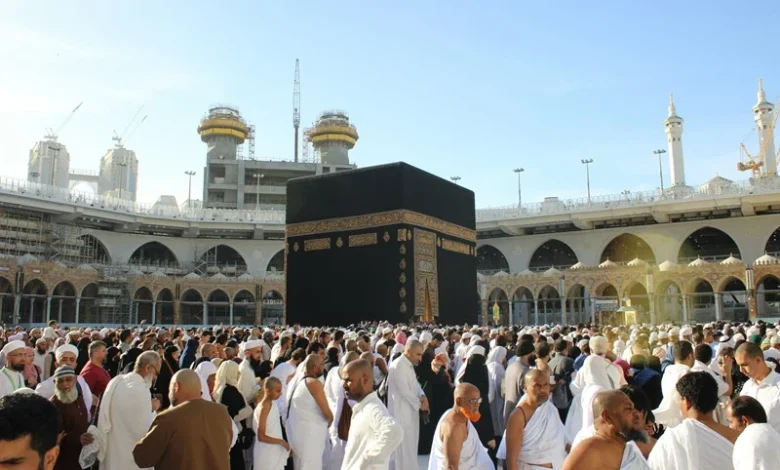
A growing body of climate and public health research is warning that extreme heat during Hajj is becoming a major safety concern. With temperatures in parts of Makkah frequently crossing dangerous thresholds, experts say certain periods of the pilgrimage may now expose people to potentially fatal heat stress, especially during peak afternoon hours.
The concern is not just high temperatures, it’s the combination of:
- Extreme heat
- High crowd density
- Long walking distances
- Direct sun exposure
- Limited recovery time
Together, these conditions can push the human body toward dangerous physiological limits.
Why Hajj Faces Rising Heat Risks
1) Temperatures in Saudi Arabia Are Rising Faster
The Middle East is warming at an unprecedented rate, and thus the region has seen an increase in average annual temperatures, as well as regional climate trends.
For example, the average daytime maximum temperature in western Saudi Arabia is usually approximately 45°C, and the temperature on the ground can be much higher than the air temperature; heat will continue to build up all day long into the evenings.
2) The Danger of Wet-bulb temperature
One area of concern raised by scientists regarding increasing temperatures is wet bulb temperature. Wet bulb temperature refers to a method of measuring how well the body can cool itself through “evaporation” or sweating.
When the temperature and humidity levels combine in this manner:
– Sweat evaporates more slowly
– The core body temperature of humans increases quickly
– Heat-related illness can occur even in healthy individuals after a long period of regular exposure
3) Crowd Density Amplifies Heat Stress
Millions of people travel together during Hajj outside in almost continuous direct sunlight.
Crowding results in:
- Accumulation of heat in the local environment
- Fatigue from physical exertion
- Increased risk for becoming dehydrated
- Difficulty getting to shade or cooling off quickly
Hot Topics You Shouldn’t Miss
Is solar investment worth it 2026?
Discover whether switching to solar makes financial sense for your home this year.
Which solar brand performs better 2026?
Explore a detailed comparison of leading solar panel brands before you decide.
Best solar panels to buy India 2026?
Check which solar panel brands offer the best value and performance in India.
Are solar trees the future energy?
Discover how innovative solar trees could transform urban green energy solutions.
Why is solar cheaper than fossil?
Explore the global shift making solar power more affordable than traditional fuels.
Final Words
The latest warnings about Hajj are simply reminders that global warming does not only changes global climates; it is changing how we allow individuals to safely gather en masse. By 2026, awareness of heat is going to be as important as preparing to travel.
FAQs
1. Why has it become more dangerous to participate in Hajj as the number of days where extreme heat (<38°C or 100°F) occurs has increased?
Because the extreme temperature combined with the number of people will create much more heat stress.
2. What does wet-bulb temperature mean?
It is used to determine how well your body will adequately cool with perspiration.
3. Are healthy people not affected?
Yes. The length of time exposed to this amount of heat will affect all people, regardless of their physical conditioning.
4. What is the greatest danger of being involved during peak temperature hours?
The likelihood of heat stroke and very serious dehydration.