
How Kenya’s Green Belt Movement Continues to Inspire Reforestation
Discover how Kenya’s Green Belt Movement continues to inspire global reforestation, community tree planting, and environmental activism.

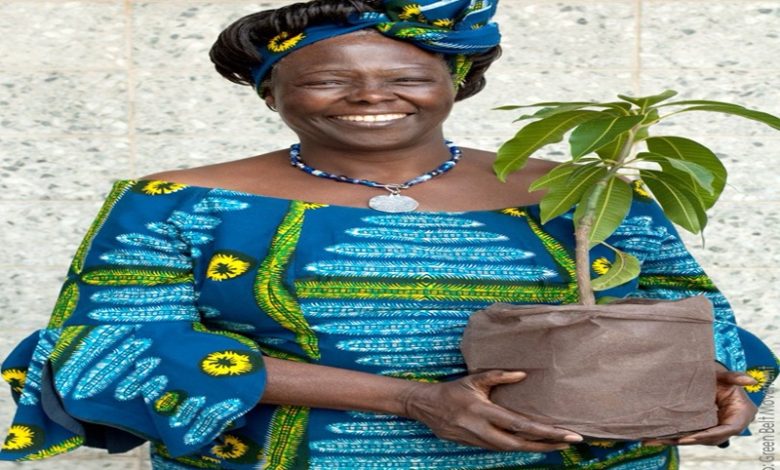
The Green Belt Movement Kenya is one of the most influential environmental initiatives in Africa. The movement was started in 1977 by Nobel Peace Prize awardee Wangari Maathai as a grassroots movement to fight deforestation, restore the lives of communities, and empower rural women by planting trees. It has since become an international icon of environmentalism and sustainable growth over the decades. The Kenya reforestation movement has helped plant millions of trees across the country while raising awareness about conservation and climate action. Today, tree planting initiatives Africa inspired by the movement, continue to promote environmental protection and community-based conservation efforts.
Green Belt Movement Kenya and Its Reforestation Impact
The Green Belt Movement Kenya has played a critical role in addressing deforestation and promoting sustainable environmental practices.
- History of the movement: The initiative was established by Wangari Maathai, where small groups of people in communities to plant trees to reconstruct degraded land.
- Community tree planting programmes: Since thousands of rural women have been involved in planting and raising trees to help support local ecosystems.
- Environmental awareness programs: The movement is also concerned with sustainable farming, biodiversity, and climate conservation awareness programs for the communities.
Through these programs, the movement has helped restore forests while empowering local communities.
How the Movement Inspires Global Environmental Action
The success of the Kenya reforestation movement has inspired environmental campaigns worldwide.
- Influence on climate activism: The Green Belt Movement highlights the role of grassroots activism in addressing environmental challenges.
- International tree planting campaigns: Many global reforestation programs draw inspiration from their community-driven model.
- Grassroots conservation models: The movement demonstrates how local participation can drive large-scale environmental change.
Challenges Facing Reforestation Efforts in Kenya
Despite its success, reforestation initiatives face several ongoing challenges.
- Deforestation pressures: Urban expansion and agriculture continue to reduce forest cover.
- Climate change impacts: Changing rainfall patterns affect tree growth and ecosystem stability.
- Need for community engagement: Continued participation from local communities is essential for sustainable conservation.
FAQs
1. What is the Green Belt Movement?
The Green Belt Movement is an environmental organization in Kenya focused on tree planting, conservation, and community empowerment.
2. Who started the Green Belt Movement in Kenya?
The movement was founded in 1977 by environmentalist and Nobel Peace Prize winner Wangari Maathai.
3. How does tree planting help the environment?
Tree planting helps restore forests, improve soil health, absorb carbon dioxide, and support biodiversity.
4. Why is reforestation important in Africa?
Reforestation helps combat desertification, protect wildlife habitats, and improve livelihoods for communities dependent on natural resources.