Should Cities Like Dubai Limit Energy Usage?
Dubai energy usage debate: should cities limit power consumption, reduce emissions, and balance growth with sustainability? Explore key arguments now!!

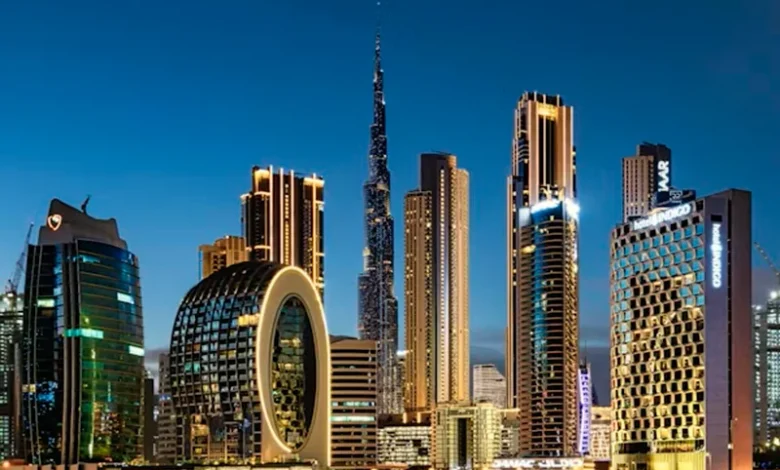
Dubai has one of the strictest climates of any major city, with Average Summer Temperatures of over 45°C for much of the year. Air conditioning, Desalinated Water Supply Systems, and cooling architecture must be accounted for in evaluating energy usage in Dubai. Therefore, the amount of energy consumed per capita can be one of the highest in the world.
The larger question in this regard is not whether we should limit energy use in Dubai; rather, it is how to balance essential consumption of energy with sustainable goals. For example, implementing a limitation on energy may have serious repercussions on public health, productivity, and overall economic activity.
The Case for Limiting (or Optimising) Energy Use
There is a strong business case for reducing unnecessary energy usage, addressing several concerns:
Environmental Impact: High amounts of energy consumption result in increased CO2 emissions and carbon footprint, regardless of the degree to which cleaner energy sources are used
Grid Stress: Peak seasonal demand during hot summer months creates undue demand on electricity networks and systems.
Resource Efficiency: Since cooling systems in structures have inefficient energy consumption, an excessive amount of energy is wasted on cooling.
In Dubai, there is a general approach to implementing energy consumption restrictions via energy-efficient operational practices, as opposed to enforcing restrictions, like those required by Dubai’s Electricity and Water Authority, initiatives like encouraging the use of Smart Meters in homes and building integration with Solar Power, or through the promotion of Green Building Codes. The overall premise is simple- reduce waste, but do not reduce comfort.
Recommended For You:
Discover natural ways to cool homes?
Check simple and effective methods to keep your house cool during heatwaves.
Check top vs lower floors heat impact?
Explore how floor levels affect heat exposure in Dubai homes.
Explore cities hit hardest by heatwaves?
Discover the top global cities facing extreme heat conditions in 2025.
Check NYC areas hottest at night?
Explore which neighborhoods experience intense nighttime urban heat in New York City.
Explore NYC heat risk neighborhoods today?
Discover which areas face the highest heat and flood risks in New York City.
A Smarter Approach: Design Over Restriction
Dubai has been investing in solutions on a system level rather than limiting resources within those systems by taking a more integrated approach. Some examples include:
- Centralised district cooling systems, which will help optimise both the distribution and the amount of cooling
- Green building codes focused on insulation and energy performance
- Solar-energy expansion through major projects (e.g., the Mohammed Bin Rashid Al Maktoum Solar Park)
- Utilising smart city technologies to monitor and optimise use of energy in real time
Using these strategies will ensure energy demand is intelligently managed rather than limited so as not to impact everyday life.
Final Words
Cities like Dubai don’t just need to “limit” energy; they must redefine energy use. In extreme climates, sustainability is about using energy more efficiently, cleanly, and smartly instead of using less energy at all costs without sacrificing the ability for people to live and work comfortably.
FAQs
1. Should Dubai reduce energy consumption?
Yes, but through efficiency and smarter systems rather than strict limitations.
2. Why is energy use so high in Dubai?
Because of extreme heat, reliance on air conditioning, and desalination needs.
3. Are there sustainability efforts in Dubai?
Yes, including solar energy, smart grids, and green building regulations.
4. Can Dubai become fully sustainable?
It’s challenging, but ongoing innovations are moving the city closer to that goal.