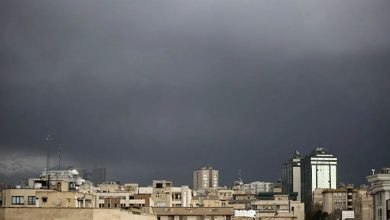
A City Under Smoke: What Dharwad’s Landfill Fire Reveals About Waste Risks
Dharwad’s landfill fire sent thick smoke across multiple neighbourhoods for days. Here’s why dump fires spread fast and how garbage heaps can choke a city’s air.

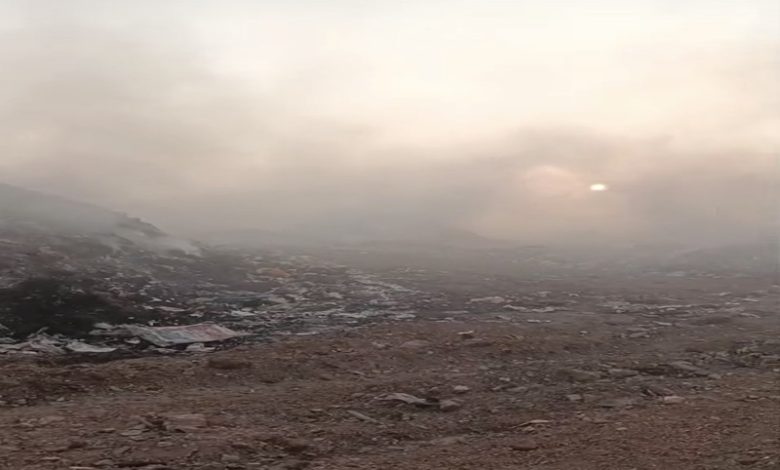
Dharwad’s smoke crisis did not come from a small roadside trash pile. It came from a long-burning fire inside legacy waste at the Hosayellapur dump, where years of piled garbage, dry weather, trapped heat, plastic-rich waste, and slow-smouldering combustion combined into a city-scale air problem.
Local reports said the fire burned for about four days, spread dense smoke across nearly half of Dharwad, reduced road visibility, and forced many residents to stay indoors. Fire teams, tankers, civic workers, and earthmovers had to keep digging into the waste heap because surface spraying alone could not fully kill the heat inside.
Why This Fire Became More Than A Local Garbage Problem
This was not just an open flame event. Fires in old dumps become dangerous when buried waste keeps generating heat and gases below the surface. In Dharwad, officials and firefighters told local media that plastic and mixed waste helped the blaze spread, while gases and trapped heat inside the heap made the smoke last longer. That is why a dump fire can keep choking neighbourhoods even after flames appear “under control” from a distance.
How Smoke From One Dump Can Blanket Half A City
The Dharwad fire shows how quickly a landfill plume turns into an urban health scare. Reports named affected areas across the city, including Hosayellapur, Malamaddi, Saraswatpur, Rajatgiri, Vivekananda Nagar, Lakshmi Nagar, Janath Nagar, Kalyan Nagar, Hanumanth Nagar, and Ram Nagar, while some highway stretches were also impacted. When smoke rises from a large open waste mound, wind can drag it across several residential pockets in hours. If the waste includes plastic, damp organic matter, and old mixed trash, the smoke turns thicker, dirtier, and harder to clear.
What Dharwad’s Crisis Says About Waste Management Failures
The bigger story is structural. India’s Solid Waste Management Rules, 2016 call for zero tolerance toward burning waste in open public spaces and also push local bodies toward bioremediation or capping of old dump sites. In Dharwad, residents and local reporting pointed to the slow clearance of legacy waste and repeated fire incidents as warning signs that the dump remained vulnerable. When old waste sits for decades, even one ignition point can become a multi-day emergency.
Why These Fires Are So Hard To Fully Extinguish
Firefighters on the ground explained the core problem clearly: water does not spread easily through plastic-heavy waste, vehicles struggle to move on unstable garbage mounds, and crews often need to dig into the heap to reach hidden hot spots. That makes landfill fires less like a normal building fire and more like a buried industrial smoulder.
What Happens Next After The Smoke Clears
The visible smoke may fade, but the real test begins after the headlines. Dharwad’s episode is a reminder that dump fires are not only fire-service issues. They are planning failures, segregation failures, and legacy-waste failures. Unless old waste is scientifically processed, hot pockets can return, and one bad week of heat and wind can leave a large part of a city breathing smoke again. That is why dump fires can choke half a city in days, but take years of better waste handling to truly prevent.

FAQs
1. What triggered the Dharwad landfill smoke crisis?
A legacy-waste fire at Hosayellapur, worsened by heat, plastic, and buried gases, drove the smoke.
2. Why did the smoke spread so widely?
Large waste heaps, wind movement, mixed trash, and buried heat let smoke travel across many neighbourhoods.
3. Why are dump fires harder than normal fires?
Because hidden hot spots burn below surface layers, and water cannot easily reach them.
5. What is the long-term fix for such crises?
Scientific legacy-waste removal, segregation, bioremediation, and strict anti-burning enforcement reduce repeat smoke emergencies.