
Sudden Flooded Roads In Dehradun: Hill Runoff Vs Urban Drain Capacity
Heavy rain in surrounding hills sends fast runoff into Dehradun, overwhelming city drains and flooding roads within minutes. Here's why the drainage system struggles.

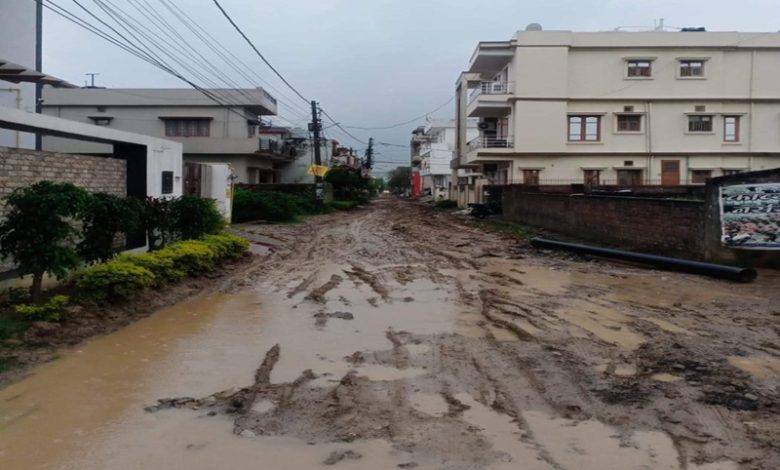
Dehradun’s flooded-road problem does not begin only when rain hits the city. It starts higher up, where fast hill runoff rushes down short, steep catchments and reaches the plains before urban drains can clear earlier flow. That is why even a sharp spell can turn roads into channels within minutes. Recent reporting from Dehradun has repeatedly linked severe waterlogging to choked drains, encroachments, and pressure around the Rispana-Bindal system, while technical studies say upstream rainfall and urban flooding are now being treated together, not as separate problems.
Why The Water Arrives Too Fast
In Dehradun, runoff does not travel from distant flat land. It drops out of surrounding hills and funnels quickly toward urban roads, drains, and river corridors. A recent urban resilience study on Dehradun notes that extreme rainfall upstream has already triggered river flooding and city impacts in recent years. That matches the broader flood science for Uttarakhand, where steep slopes, fast flow concentration, and debris-laden water increase flood intensity.
Why City Drains Lose The Race
Urban drains fail quickly when they are built for ordinary stormwater but receive a sudden mix of hillside runoff, silt, plastic, and roadside debris. In Dehradun’s recent waterlogging episodes, local reporting pointed to poor drainage, clogged channels, and illegal encroachments as major aggravators. Once runoff spills onto roads, traffic slows, water ponds longer, and even small drain inlets stop working because they get buried under floating waste and sediment.
Where Rivers And Roads Collide
The city’s pressure points are not random. Documents around the Rispana describe it as a main carrier of monsoon runoff whose floodplains and course have been heavily encroached upon. Separate reporting on Bindal says the High Court pushed for clearing encroachments before monsoon because shrinking river space raises danger during heavy rain. When natural channels are narrowed, runoff that should spread safely or move downstream gets pushed back toward neighbourhood roads.
Why This Feels More Sudden Now
Part of the shock is timing. IMD’s Dehradun centre continues to issue flash-flood and intense-rain warnings for Uttarakhand, showing how short-duration rain bursts remain a live risk. And recent cloudburst coverage from official broadcasters showed severe waterlogging and submerged houses around Dehradun, reminding residents how quickly local drainage gets outmatched when hill water and city runoff arrive together.
The Post That Fits Naturally In The Story
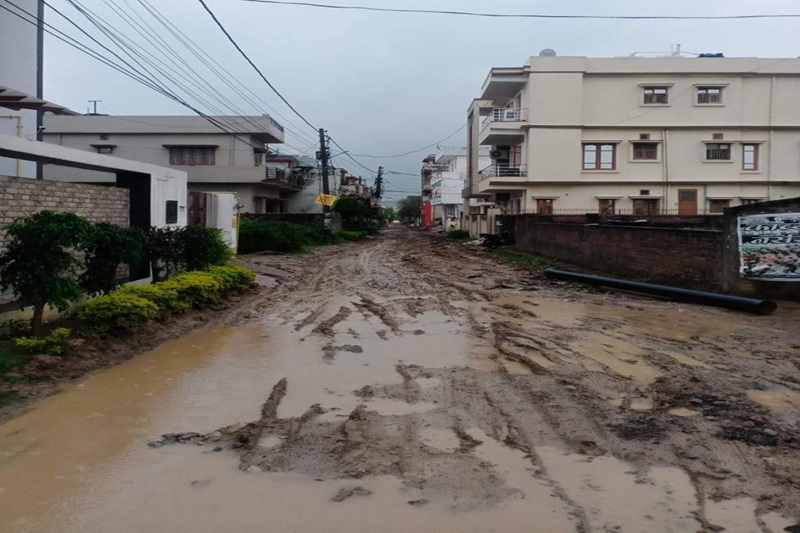
As DD News noted while covering Dehradun’s cloudburst impact, severe waterlogging followed as houses went under and runoff spread across the city’s low-lying stretches.
FAQs
1. Why do Dehradun roads flood so fast?
Steep hill runoff reaches city roads quickly, before drains empty earlier rainwater fully out.
2. Which areas become risky first?
Low-lying roads, river-edge colonies, bypass stretches, and neighbourhoods near blocked drains flood earliest usually.
3. Do encroachments make flooding worse?
Yes, they narrow channels, block floodplains, and push excess stormwater back toward streets nearby.
4. Can drains alone solve this problem?
No, drainage upgrades need river restoration, desilting, catchment control, and strict land-use enforcement.
5. Are sudden rain bursts becoming more important?
Yes, short intense spells now overload drains much faster than older urban systems expected.