7 Devastating Volcanic Eruptions in Europe in the last century
Explore 7 of the most devastating volcanic eruptions in Europe over the last century—covering Iceland, Italy, Spain, and their deadly, historic aftermaths.

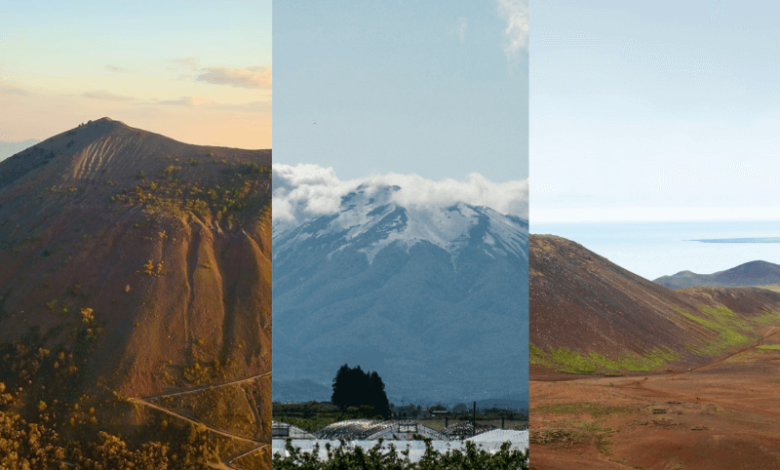
Over the last 100 years, deadly blasts in Italy, Iceland, and Spain have claimed lives, displaced thousands, and reshaped entire landscapes, reminders of the immense power beneath the continent’s surface.
1. Mount Vesuvius – Italy (1944)
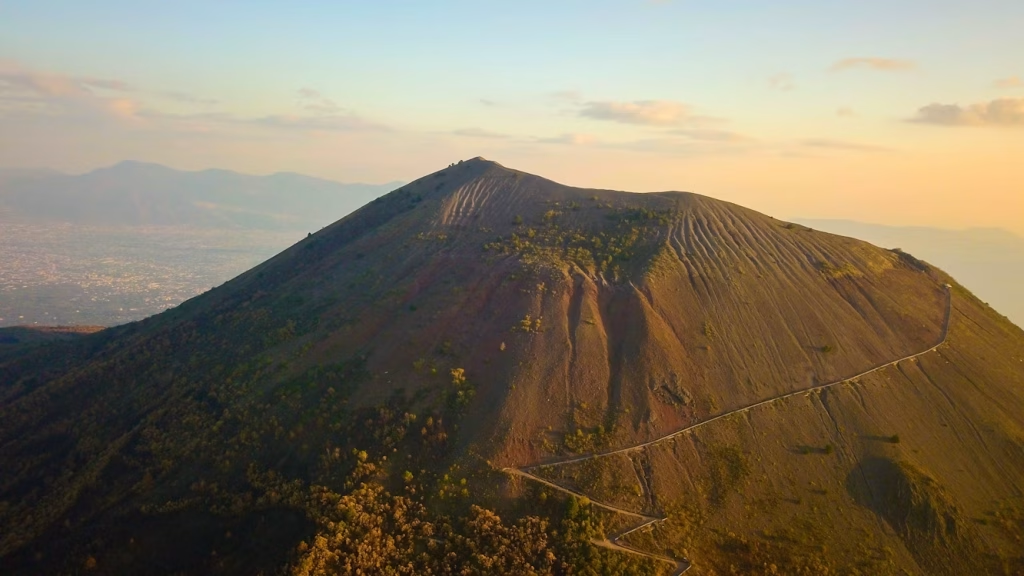
Vesuvius erupted violently during World War II, with lava flows and ash burying nearby villages. U.S. military operations near Naples were disrupted, and several towns were evacuated.
- Aftermath: 26 people were killed, hundreds injured, and over 12,000 people were displaced. Several aircraft from nearby airfields were destroyed by ash and debris.
2. Heimaey (Eldfell) – Iceland (1973)
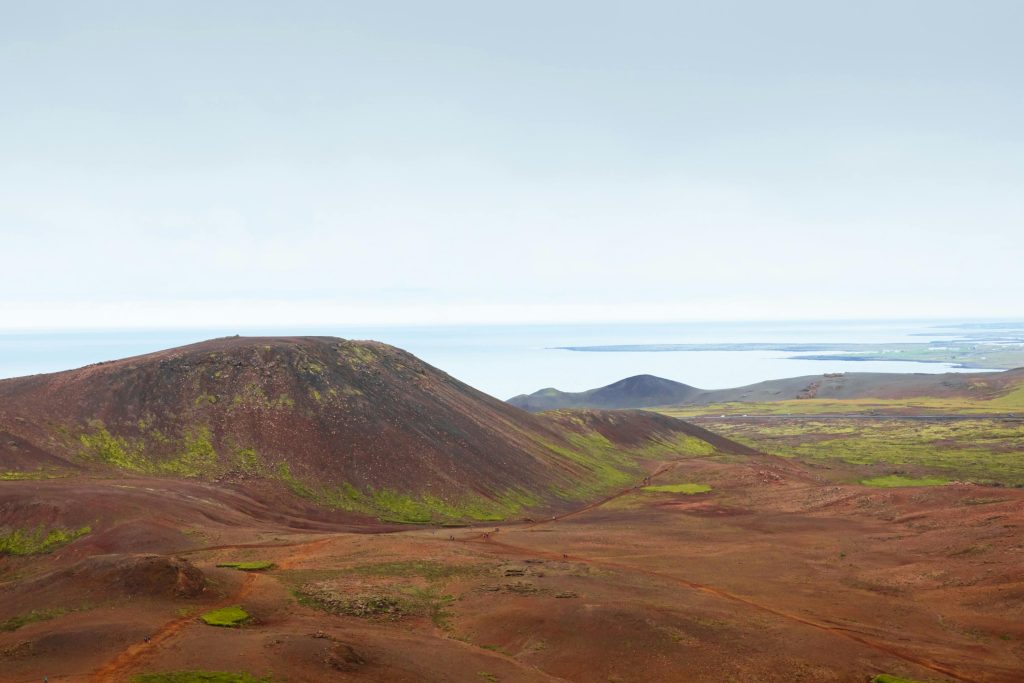
Without warning, a fissure opened up on Heimaey Island in the Westman Islands, spewing lava toward the town. Residents evacuated by fishing boats in the early morning hours.
- Aftermath: 1 person died, but most of the town was buried under lava and ash. About 5,000 people were displaced, and large parts of the harbor were threatened but ultimately saved by cooling lava flows with seawater.
3. Mount Etna – Italy (1992 & 2001)
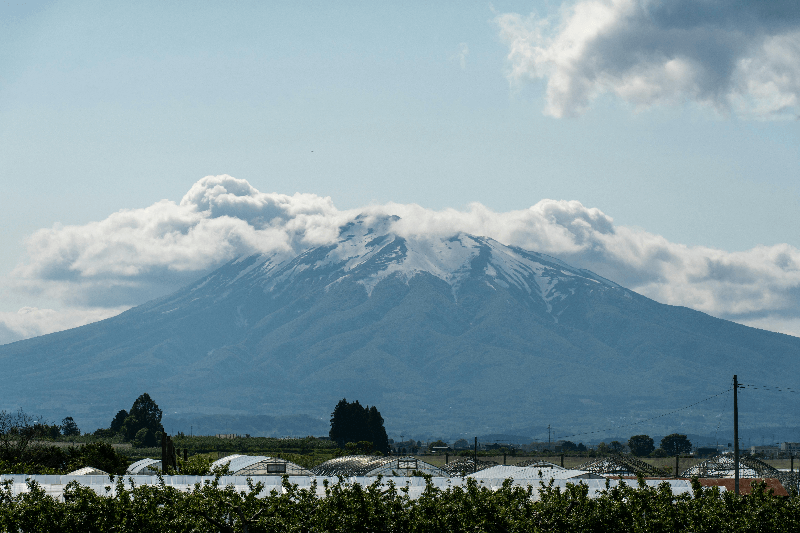
Etna’s repeated eruptions in the 1990s and early 2000s caused major lava flows and damage to infrastructure in Sicily. The 2001 eruption, in particular, sent fountains of lava high into the sky and lasted for weeks.
- Aftermath: While fatalities were limited, hundreds were evacuated. Property damage was extensive, and tourism and agriculture were heavily disrupted. One death was indirectly linked to structural collapse.
4. Stromboli – Italy (2019)
An unexpected explosion rocked the island of Stromboli in July 2019, catching tourists and hikers off guard. The eruption sent ash plumes and lava bombs into the air and started wildfires.
- Aftermath: 1 person was killed, and several were injured. Dozens of tourists were evacuated by sea. The event reignited concerns over safety on the popular hiking routes.
5. Grímsvötn – Iceland (2011)
Grímsvötn, Iceland’s most active volcano, erupted beneath a glacier in May 2011. Ash clouds shot up over 20 kilometers high, affecting flights across northern Europe for several days.
- Aftermath: No direct fatalities, but air travel chaos affected hundreds of thousands. Economic losses reached millions of euros, and visibility issues posed safety risks across the island.
6. Tajogaite (Cumbre Vieja) – La Palma, Spain (2021)
After weeks of tremors, this volcano erupted in September 2021, lasting 85 days—the longest on the island in centuries. Lava swallowed homes, roads, and banana plantations.
- Aftermath: 1 death from gas inhalation. Around 7,000 people evacuated. Over 3,000 buildings were destroyed, and economic losses topped €800 million.
7. Eyjafjallajökull – Iceland (2010)
Though not particularly deadly, the eruption of Eyjafjallajökull became infamous for the massive ash cloud it sent across Europe. It disrupted air travel on an unprecedented scale.
- Aftermath: No direct casualties, but over 100,000 flights were canceled, affecting 10 million passengers. It became one of the most economically disruptive eruptions in modern history.
While Europe’s volcanic eruptions over the past century haven’t always been deadly in terms of lives lost, their consequences have often been vast altering landscapes, displacing populations, and creating chaos across industries. As tourism and population grow near these natural marvels, Europe’s volcanoes continue to command both fascination and respect.
Read Also: Net zero policies can dramatically reduce preventable illnesses