How Costa Rica Became a Global Leader in Rainforest Conservation
Discover how Costa Rica became a global leader in rainforest conservation through innovative policies, reforestation programs, and eco-tourism.

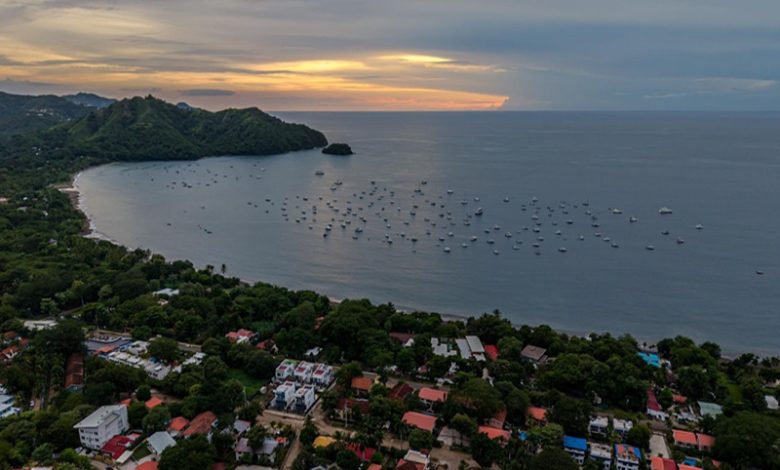
Costa Rica is considered to be a great example of environmental protection and sustainable development in the world. Over the past few decades, Costa Rica rainforest conservation has transformed the country from one experiencing rapid deforestation to a global model for forest restoration. Costa Rica, national parks, as well as the incentives given to landowners to save their forests, have greatly expanded the cover of forests in the country through their good environmental policies. In addition, eco tourism Costa Rica forests has become a major economic driver, encouraging communities and businesses to preserve natural ecosystems while benefiting from sustainable tourism.
Costa Rica Rainforest Conservation Policies
Government initiatives have played a crucial role in the success of Costa Rica rainforest conservation.
- National park system: Costa Rica has developed a comprehensive system of national parks and other protected areas that comprise approximately 25 percent of the total land area of the country.
- Paying the ecosystem: The forest and biodiversity owners and land owners are granted monetary gains to preserve forests, clean water, and other sources of biodiversity.
- Reforestation efforts: Costa Rica reforestation efforts have been done in large volumes, which have contributed to the restoration of forests that were cleared to clear land to be used in agriculture.
These policies have helped reverse deforestation trends and protect important habitats.
Role of Eco-Tourism in Forest Protection
Eco-tourism has become a powerful tool for supporting rainforest preservation Costa Rica.
- Sustainable tourism income: It is the income that the visitors contribute to conservation funds by visiting the national parks and nature reserves.
- Wildlife conservation programs: Tourism contributes to funding of wildlife protection and habitat reconstruction programs.
- Community participation: Local communities are the beneficiaries of eco-tourism in terms of economic empowerment, which motivates them to conserve forests.
This approach demonstrates how environmental conservation can also support economic development.
Lessons Other Countries Can Learn
Costa Rica’s conservation model offers valuable insights for other nations.
- Economic benefits of conservation: Protecting ecosystems can generate revenue through tourism and sustainable industries.
- Policy innovation: Strong environmental laws and incentives can motivate landowners to preserve forests.
- Public environmental awareness: Education and community engagement are key to long-term conservation success.
FAQs
1. Why is Costa Rica known for rainforest conservation?
Costa Rica is known for its strong environmental policies, extensive protected areas, and successful reforestation programs that have significantly increased forest cover.
2. How much forest has Costa Rica restored?
Costa Rica has restored a large portion of its forests, with forest cover rising from around 25% in the 1980s to more than half of the country today.
3. What role does tourism play in conservation?
Eco-tourism provides funding for conservation programs and creates economic incentives for protecting natural ecosystems.
4. Can other countries replicate Costa Rica’s model?
Yes, many experts believe that similar policies, community involvement, and sustainable tourism strategies can help other countries protect their forests.