
Longer, Hotter, More Intense Summers
Chennai summers are getting hotter and longer due to climate change and urban heat. Explore rising temperatures, heatwaves, and future impact.

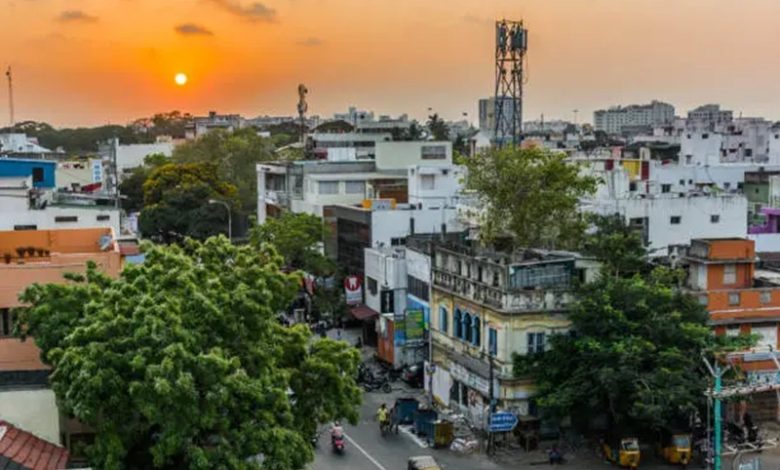
The summers in Chennai have become more severe in the last 10 years, with temperatures reaching upwards of 40 degrees Celsius. In fact, the city has seen many occurrences of 41 degrees Celsius in 2024, which is already much higher than the average.
The pattern itself has also changed; where previously extreme heat would only occur during peak weeks (Agni Nakshatram), now there tend to be extended periods of summer-like conditions (March to June) that develop much earlier and last much longer than before. Additionally, there has been a more than 40% increase in the number of days when residents will experience discomfort due to heat since 2014.
This means Chennai’s summers are no longer only hotter, but have also become longer with fewer instances of “relief days”.
The Urban Heat Effect Is Making It Worse
Another significant factor contributing to the heat experienced in Chennai is the growth of the city itself due to rapid urbanisation which has exacerbated what scientists refer to as the urban heat island effect.
Research indicates that areas that have high-density development, such as Anna Nagar and Ambattur, are considerably hotter than those that have a plentiful amount of trees or are close to bodies of water. The heat from buildings has raised nighttime temperatures to as high as 30 degrees Celsius in some parts of the city where there are no trees, but in the adjacent areas it is much cooler.
From Occasional Heatwaves to Regular Climate Stress
A decade ago heat waves happened in Chennai from time to time; however today there is an increased likelihood they will become part of our summer.
The number of days experiencing heat wave conditions in Chennai is expected to increase; for example in 2024 we expect more than double the number of days than in 2022 (with predictions of potentially doubling again by 2030).
Additionally surveys of residents indicate they now consider extreme heat as their primary form of climate change impact on their daily lives; severely affecting their health and productivity.
Recommended For You:
Discover natural ways to cool homes?
Check simple and effective methods to keep your house cool during heatwaves.
Check top vs lower floors heat impact?
Explore how floor levels affect heat exposure in Dubai homes.
Explore cities hit hardest by heatwaves?
Discover the top global cities facing extreme heat conditions in 2025.
Check NYC areas hottest at night?
Explore which neighborhoods experience intense nighttime urban heat in New York City.
Explore NYC heat risk neighborhoods today?
Discover which areas face the highest heat and flood risks in New York City.
Final Words
Chennai has clearly experienced a major shift in its summer climate. This shift has not only changed the temperature but also the way summer feels and functions within our city. How well will Chennai adapt within the next decade will determine how capable it will be to accommodate changes through improvements to its city layout; increase in green space; and creation of climate friendly infrastructure. Chennai’s climate change problems will no longer be seasonal but rather represent an ongoing challenge to the city’s future.
FAQs
1. Are Chennai summers getting hotter every year?
Yes, while yearly variation exists, the overall trend shows rising temperatures and more frequent extreme heat days.
2. Why do nights feel hotter now in Chennai?
Because of the urban heat island effect—concrete surfaces trap heat and release it slowly at night.
3. Has the duration of summer increased?
Yes, summers are starting earlier and lasting longer, with fewer cooler breaks.
4. Will this trend continue in the future?
Most climate projections suggest increasing heat intensity and more heatwave days in the coming years.