Why Chennai Is Stepping Up Heat Prep Early: Rising Temperatures, Hospital Readiness And Urban Heat Stress
Chennai begins early heat preparedness as temperatures trend upward. Hospitals boost readiness while officials focus on urban heat stress risks and public safety measures.

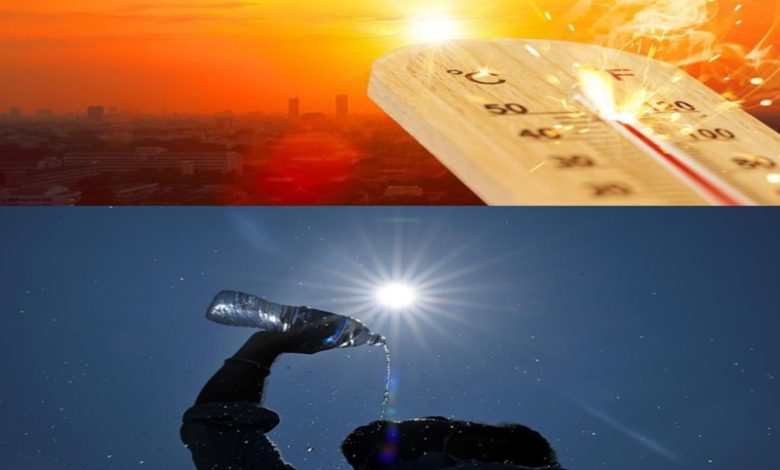
Chennai is not waiting for peak summer to arrive before it acts. The city has started heat preparation early because the warning signs are already visible: public health advisories are out, hospitals are stocking emergency supplies, and weather agencies are flagging warmer-than-normal conditions across parts of Tamil Nadu. What makes this year feel sharper is that the conversation is no longer only about hot afternoons. It is also about how heat settles into dense neighbourhoods, how fast it pushes dehydration and exhaustion, and how public systems respond before case numbers rise.
In the last few days, Tamil Nadu’s public health machinery has moved to prepare government hospitals with ORS, IV fluids, cooling equipment, dedicated beds, and ambulance support for heat-related emergencies. At the same time, IMD-linked forecasts have pointed to temperatures running 2 to 3 degrees Celsius above normal in parts of the state during late March.
Why The City Is Moving Before April
This early push is really about risk stacking. Chennai deals with heat, but it also deals with humidity, long commutes, packed roads, hard-built neighbourhoods, and uneven access to shade. That makes a 33 or 34 degree day feel worse than the number suggests. Officials seem to know that hospital strain begins long before a formal heatwave headline appears. That is why the present response is practical rather than dramatic: stock the wards, brief field staff, track heat illness, and warn the public early. According to a recent report, the Directorate of Public Health has asked hospitals to ensure medicines, power backup, ventilation, and surveillance of heat-related cases, while event organisers have been told to arrange water, shade, and medical support.
The bigger story is urban heat stress. Chennai’s own climate planning has already identified the city as vulnerable to the heat-island effect, and the Greater Chennai Corporation’s climate action work covers a 426 sq km urban area. A newer Tamil Nadu urban cooling document says Chennai’s average maximum and minimum temperatures could rise by about 2.9°C and 3.3°C respectively by the end of the century. That kind of long-range projection matters because it turns this summer’s hospital prep into something larger: a preview of how cities will have to function in hotter decades.
Hospital Readiness Is Now Frontline Climate Response
That is the part many cities are learning in real time. Heat no longer sits only with disaster management teams or weather desks. It lands in outpatient queues, emergency rooms, ambulance calls, and public advisories. In Chennai, the current measures show that health readiness is becoming climate readiness. Early treatment matters because heat exhaustion can slide into heatstroke faster in children, older adults, outdoor workers, and people with existing illness. Rajiv Gandhi Government General Hospital officials have already stressed the need for quick intervention before complications deepen.
The Urban Stress Story Is Getting Harder To Ignore
There is also a social angle here. A Chennai 2026 perception study reported that extreme heat was the most widely felt climate impact among surveyed residents, with 1,594 out of 2,000 respondents saying they had personally felt heat stress. That lines up with wider state-level urban cooling discussions now focused on greening, reflective surfaces, ventilation, and blue-green infrastructure. For live regional weather updates, many residents already track the official IMD-Tamilnadu Weather account, while the city’s broader climate response sits inside the Greater Chennai Corporation climate action framework. The message is plain: Chennai is preparing early because heat is no longer a seasonal inconvenience. It is becoming a city-management test.
FAQs
Why is Chennai preparing early for heat?
Rising temperatures, humidity, hospital demand, and urban heat stress are pushing officials to act earlier.
Are hospitals in Chennai already preparing?
Yes, government hospitals have stocked ORS, IV fluids, cooling equipment, beds, and ambulance support.
What makes urban heat stress worse in Chennai?
Dense buildings, traffic, humidity, limited shade, and long outdoor exposure raise heat stress sharply.
Is this only about summer discomfort?
No, heat can trigger dehydration, exhaustion, heatstroke, and extra pressure on public health systems.
Where can readers track official weather updates?
The official IMD-Tamilnadu Weather handle shares regional bulletins and timely weather-related updates.