Indonesia’s Halmahera Hit by 5.5-Magnitude Earthquake: What We Know
Officials monitored the Halmahera Earthquake after a 5.5-magnitude tremor in Indonesia. Stay informed with safety updates and official guidance today.

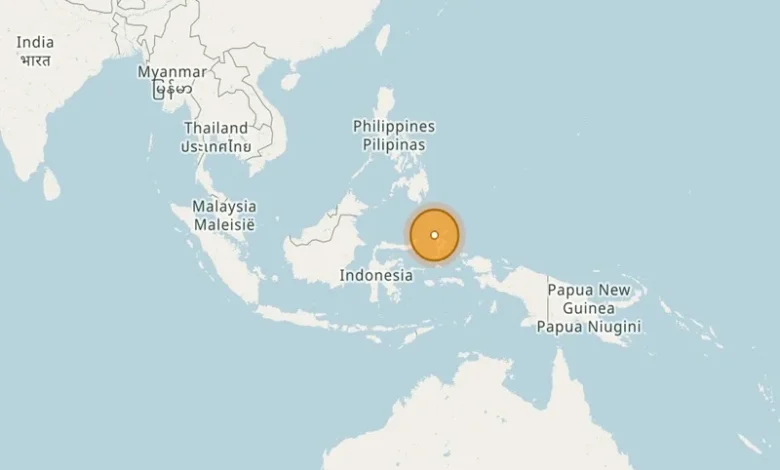
Indonesia’s Halmahera region was hit by a magnitude 5.5-magnitude earthquake on Aug. 5, highlighting the seismic activity in eastern Indonesia. The quake was recorded at a depth of about 127 kilometers, the Research Centre for Geosciences in Germany said. The event emphasizes the necessity of earthquake preparedness in one of the world’s most seismically active regions.
Halmahera: What’s happening?
The quake struck in Indonesia’s North Maluku region, in Halmahera earthquake. The event was reported by GFZ at a depth of about 127 kilometers.
Reports initially did not show widespread destruction or loss of life. But information about earthquakes can change as agencies that monitor them get more information from seismic stations and local authorities.
Why Are There Earthquakes in Halmahera?
Halmahera is situated in one of the most seismically active areas on earth. Indonesia is located on a series of tectonic boundaries where large portions of the Earth’s crust collide. These movements from time to time are the cause of earthquakes in the country.
Earthquakes in North Maluku have had severe impacts in the past. Residents must be on guard even for a quake that causes little damage because of the region’s geology.
Can a 5.5 Earthquake Do Serious Damage?
The destructive power of an earthquake is not determined by size alone. The level of shaking and damage depends on the depth, distance from populated areas, ground conditions and the quality of buildings.
The 5.5-magnitude quake in Halmahera was relatively deep. Local conditions may cause deeper earthquakes to have different effects than shallow earthquakes.
So we should not judge the danger only by magnitude but by official information.
Procedures for residents after an earthquake
Residents of Halmahera and surrounding areas should watch for official updates following an earthquake. Sometimes we get aftershocks, but we don’t know when or how big.”
There are some basic precautions people can take:
•Check buildings for obvious damage.
•Don’t go near any buildings that are damaged or look like they might fall down.
•Keep food, water and basic emergency supplies available.
•Follow the directions of the Indonesian authorities.
•Don’t post unverified information on social media.
•Check official updates before travelling through the affected areas.
Indonesia’s meteorological and geophysical agency BMKG issues important information and warnings on earthquakes.
Why it matters beyond Indonesia
The event serves as another reminder of the need for earthquake preparedness throughout the Asia-Pacific region. Many communities in Indonesia are located in close proximity to active seismic zones, including remote islands with challenging access for emergencies.
A sudden shake of the ground can be very important to local residents, visitors, and businesses if they know what to do in an emergency in their area.
Conclusion
The Halmahera earthquake had a magnitude of 5.5 and a depth of around 127 km, according to GFZ. The first report did not mention serious damage or casualties, but residents were told to stay tuned to official updates. We can’t stop earthquakes but we can prepare for them and lessen their impact.
Stay informed with related updates.
Is Vanuatu Safe To Visit?
Check out the latest travel advice after the earthquake.
Why Is Bhutan Seismically Active?
Find the reasons behind frequent Himalayan earthquakes.
What Triggered Russia’s Volcano Eruption?
Uncover how earthquakes may have sparked the eruption.
Can Climate Trigger More Earthquakes?
Look into the science behind this growing question.
Why Are Fuego Residents Evacuating?
See why authorities ordered communities to move.