No Fire Nearby Yet Athens Gets Smoke? Wind Flow And Basin Effects
Athens sometimes fills with smoke even when no fire burns nearby. Strong winds, basin terrain and drifting PM2.5 particles transport wildfire pollution into the city.

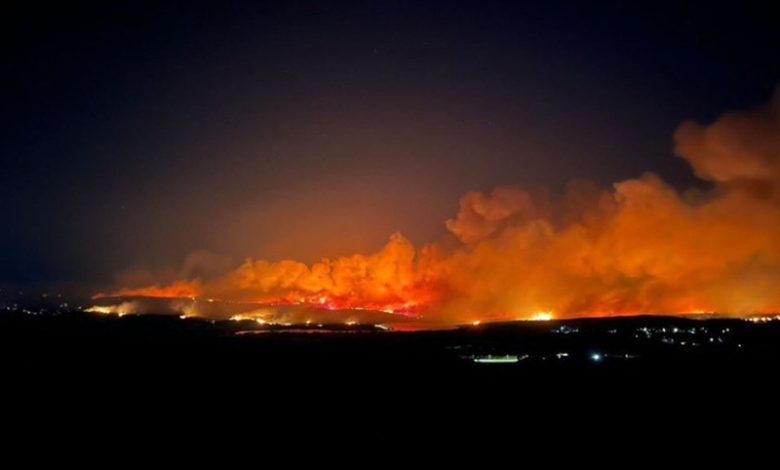
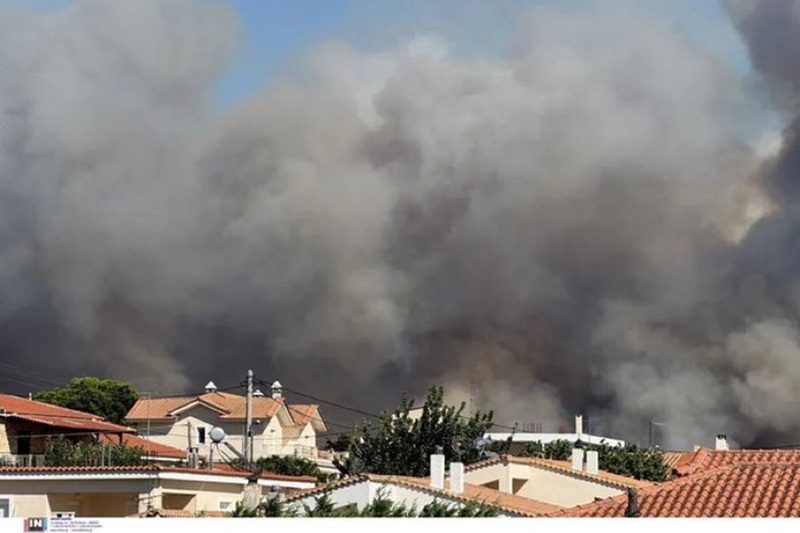
Athens does not always need flames on its doorstep to wake up under a smoky sky. In Greece, smoke can travel far, bend with shifting winds, and settle over the capital because the city sits inside a basin ringed by mountains. Add summer heat, dry air, and unstable fire weather, and PM2.5 can drift in from fires well beyond central Athens, then hang around longer than people expect. NASA’s satellite analysis has shown that wind direction can push one fire’s smoke away from Athens while carrying another plume straight into the city. Research on the Athens basin also shows that local topography makes pollutant dispersion harder, especially in weak-wind periods.
It Starts With The Wind, Not Just The Fire Map
The first mistake people make is checking only for nearby flames. Smoke does not follow simple distance rules. Reuters reported during the August 2024 fire emergency that gale-force winds pushed smoke across the wider Athens area, while NASA has documented earlier cases where winds carried smoke from Evia into Athens even when other fires sent plumes elsewhere. That is why the city can look and smell smoky although the worst fire is not right next door. For a visual news snapshot, see this official post from Sky News on X.
Athens’ Terrain Makes Drift More Noticeable
Athens is not a flat, open plain. It sits in the Greater Athens basin, surrounded by mountains and the sea, which shapes how air moves. Studies on particulate pollution in Athens show that this complex topography can slow dispersion and support higher particle levels when air circulation weakens. In simple terms, smoke can enter the basin and then lose its exit route.
Why The Basin Effect Feels Worse In Summer
Hot days deepen atmospheric stress. Fires burn harder, winds turn erratic, and dry air helps smoke stay suspended. During Greece’s extreme wildfire periods, researchers found that Athens experienced strong air-quality impacts from mixed smoke and dust layers, not just local pollution.
PM2.5 Is The Part People Feel Most
PM2.5 matters because these tiny particles travel deep into the lungs and often drive the worst air-quality readings. IQAir reported Athens among the world’s most polluted cities on February 12, 2026, with PM2.5 as the primary pollutant during a poor-air episode. That fits the larger pattern: smoke drift, dust, and trapped urban emissions can stack together fast.
Why This Keeps Becoming A Trend Story
This is no longer just a wildfire headline. It is now an urban air story, a weather story, and a public-health story. Greece faced about 9,500 forest fires in 2024, according to Reuters, while scientists keep pointing to hotter, drier Mediterranean conditions that make smoke transport episodes more likely and more disruptive.
FAQs
1. Can Athens get smoky without a fire inside the city?
Yes, distant wildfire smoke can drift into Athens and remain trapped by basin terrain there.
2. Why is PM2.5 more worrying than visible ash?
PM2.5 particles are tiny enough to enter lungs deeply and worsen breathing and heart issues.
3. Do mountains around Athens make pollution worse sometimes?
Yes, surrounding mountains can slow airflow and reduce how fast polluted air disperses away.
4. Can sea breezes also affect smoke movement over Athens?
Yes, sea breezes can redirect smoke inland or trap it within daily circulation patterns.
5. Is smoke in Athens always caused by wildfires?
No, dust, traffic, heat, and trapped emissions can also raise particle pollution levels.