
Aluminium vs Stainless Steel: Which Is Healthier in 2026?
Comparison of Aluminium vs Stainless Steel on health and safety in 2026. Find out which type of cookware is safer, more durable and can be used in everyday life.

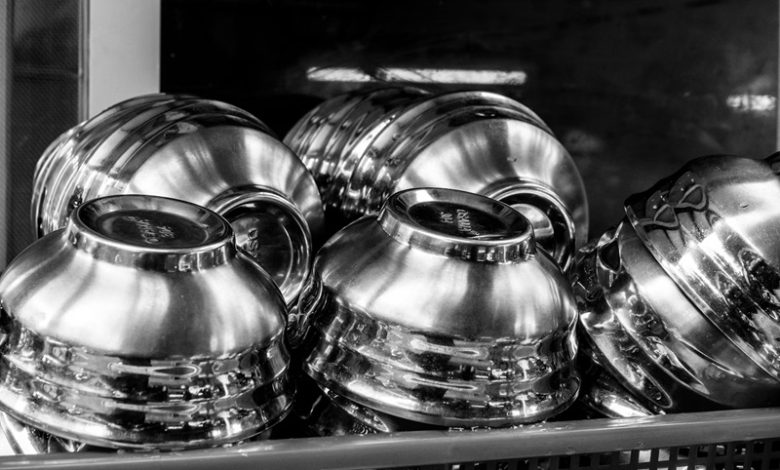
The question of aluminium vs stainless steel cookware is still one of the most popular debates in the kitchen in 2026. As health awareness is on the increase, consumers are more worried about the interactions of materials with food and their impact on long-term health.
Comparison of Safety and Health
The primary issue when making a comparison between aluminium vs stainless steel is reactivity. Aluminium is easy to carry, and it heats fast; however, it may react with acidic foods such as tomatoes, and some traces of the metal may be leached into food. Although the new anodised aluminium minimises this danger, there have been concerns. Stainless steel, however, is inert and not subject to rust and corrosion, and as such, is safer to use when cooking a large variety of food.
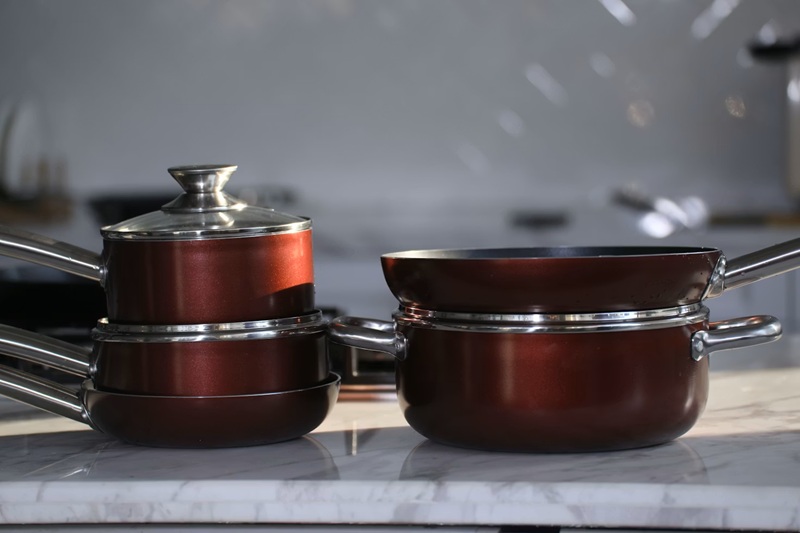
Durability and Daily Use
Durability is also the point in the aluminium vs stainless steel debate. Cookware made out of stainless steel is more resistant to scratching and lasts longer, but is generally heavier and more costly. Aluminium is cost-effective and effective in terms of heat distribution, but is likely to bend or become distorted with time.
On the whole, it is highly probable that stainless steel may be regarded as a healthier and more reliable choice in terms of daily cooking in 2026.
FAQs
1. Is the cookware made of aluminium dangerous?
Anodised aluminium is safer than regular aluminium, which can react with acidic foods.
2. What is the reason why we want stainless steel, health-wise?
It is non-reactive, and it does not leach metals in food even in regular cooking conditions.
3. Which is more durable?
Stainless steel is stronger and less subject to scratches and corrosion.