
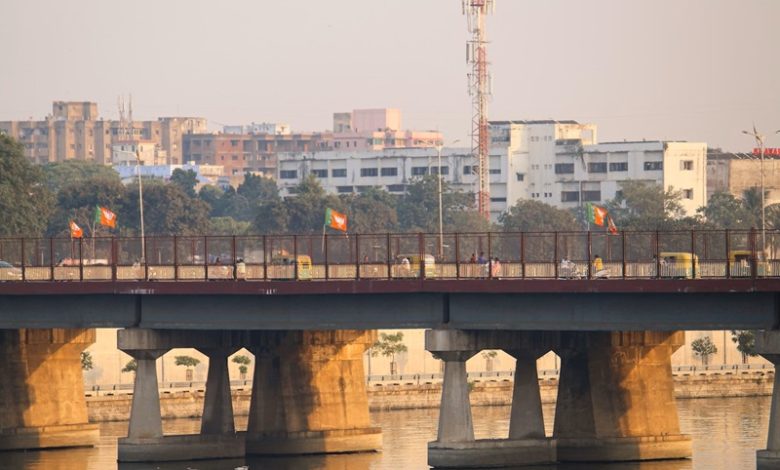
Ahmedabad has a very hot climate during the summer months, but within the city there are areas that are hotter than others. Some neighborhoods have consistently recorded higher temperatures than others due to the Urban Heat Island Effect.
As Ahmedabad grows, it becomes more important for both residents and urban planners to know why these areas are hotter than others.
Why Some Areas in Ahmedabad Are Hotter
1. Dense Construction and Concrete Surfaces
Areas with a lot of high-rise buildings and concrete infrastructure (sidewalks, streets, etc.) trap more heat than other areas. In addition, if you are in an area with high-rise buildings on one side of the street and a narrow street between them, you’re less likely to have a breeze.
2. Lack of Green Cover
Trees not only provide shade, but also play an important role in keeping the local temperatures within a reasonable range. Areas with very few trees, parks or open spaces will not receive any of the cooling benefits from trees, so the temperatures tend to increase quickly and remain elevated for longer than if there were trees.
3. Heat-Absorbing Road Materials
Some road surfaces, such as asphalt, absorb different amounts of solar radiation throughout the day and typically heat up more quickly than other surfaces at night. Since there are so many wide roads or areas of paved parking lots, they have a very large amount of solar heat energy stored in them.
4. Industrial and Commercial Activity
Many commercial areas generate heat through machinery, cars and air conditioning systems, so they continue to stay warmer longer than other areas that aren’t as busy after the sun goes down due to their very high level of businesses that are open 24 hours a day compared to the rest of the city.
5. Poor Air Circulation
Urban areas with buildings built close together can cause disruptions in airflow. This creates the “urban canyon” effect where heat gets trapped between two structures and cannot cool down naturally.
Which Areas Are More Affected?
An Urban Heat Island is found in urban areas that have lower temperatures than the surrounding rural area. The most common areas that have the Urban Heat Island are:
- Residential Areas with a High Amount of Buildings Built Close Together.
- Commercial Hub with Much Traffic.
- Industrial Zone with Active Business Operations
How Can Heat Islands Be Reduced?
There are many ways to reduce the Urban Heat Island Effect; you must have a combination of good planning and good actions:
- Increase Green Space and Tree Coverage.
- Use Cool Roof Materials (reflective materials) and Building Designs that Promote Better Air Circulation.
- Encourage Sustainable and Climate-Friendly Urban Development.
Final Thoughts
The Urban Heat Islands provide clear examples of how urban planning/architecture can affect both temperature and the livability of an area. As the city of Ahmedabad continues to expand, it will be important for them to reduce and/or plan for the Urban Heat Islands so that they have a comfortable and climate-friendly community.
FAQs
1. What is the urban heat island effect?
It is a phenomenon where urban areas become hotter than surrounding regions due to human-made surfaces and infrastructure.
2. Why is Ahmedabad facing this issue?
Rapid urbanisation, reduced greenery, and increased use of heat-absorbing materials are the main reasons.
3. Which areas are cooler in Ahmedabad?
Areas with more trees, parks, and open spaces tend to have lower temperatures.
4. How do trees help reduce heat?
Trees provide shade and release moisture into the air, helping lower surrounding temperatures.