When Scrap Metal Burns The Dark Side Of Accra’s Recycling
A close look at Accra’s informal scrap trade, where cable burning and e-waste dismantling release hazardous smoke into neighborhoods and fragile ecosystems.

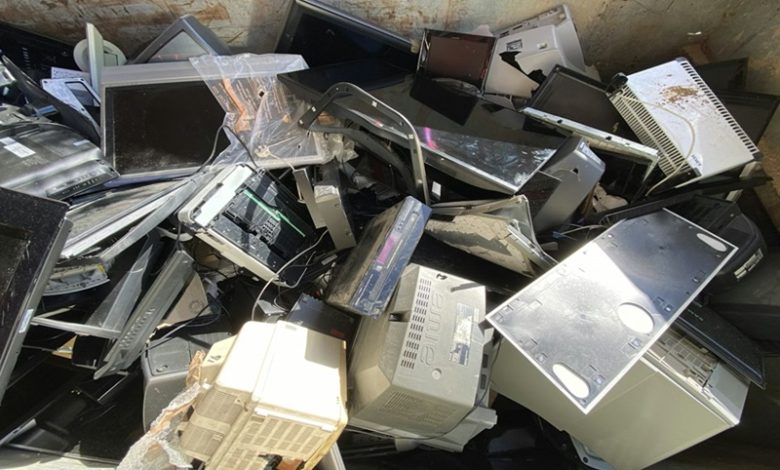
Accra’s e-waste economy sits in plain sight: scrap yards, markets, and waterways where broken fridges, phones, and cables become cash. Around Agbogbloshie and the Korle Lagoon corridor, the work is fast, informal, and brutally efficient, but the by-product is the thing residents can’t “sell” back: air that stings, coughs, and lingers.
What Really Turns “Recycling” Into Smoke
Informal recyclers don’t burn electronics because they want to pollute. They burn because it is the quickest way to strip plastic insulation off copper wiring, separate mixed materials, and reduce bulky waste into transportable metal.
That open burning releases a cocktail of hazardous fumes and fine particles from plastics and flame-retardant components, while smashing and melting adds heavy-metal dust into the same breathing space. Studies and reviews on Ghana’s e-waste system repeatedly flag this air pathway as a major exposure route for workers and nearby communities.
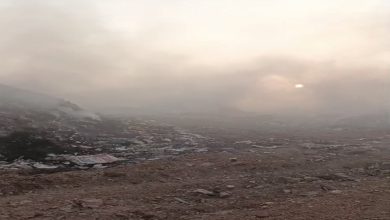
Midway through a normal day, the scene is often summed up in stark visuals like this BBC Africa post about toxic air over the site.
Why The Problem Persists Even When Everyone Knows It’s Dangerous
The “informal paradox” is real: livelihoods today versus health tomorrow. Research interviews and field reporting describe how scrap income supports migrants and families, while safer tools, protected yards, and formal take-back systems remain patchy or out of reach.
What Changes The Air Fastest
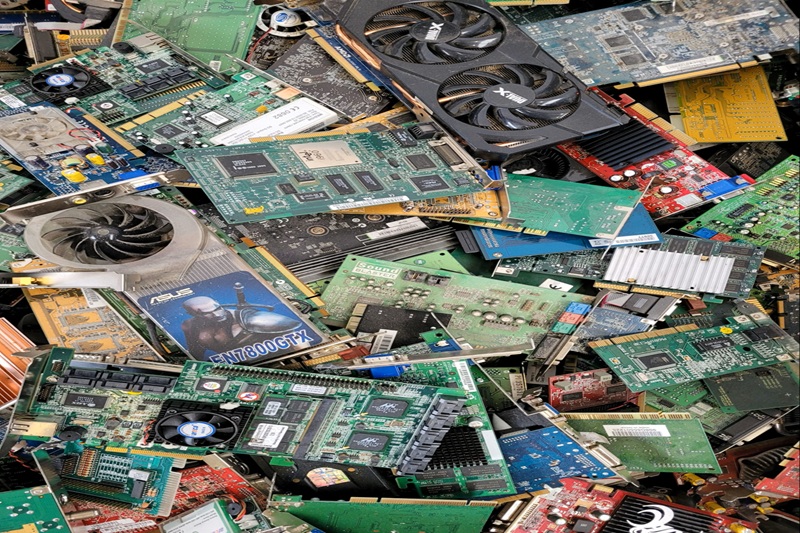
Stop cable burning, and the smoke drops quickly. That means buy-back centres for clean copper, safe stripping equipment, enforced no-burn zones, and producer-funded collection so the dirtiest steps aren’t the only profitable ones.
FAQs
1. What is an e-waste hotspot in Accra?
A dense zone where discarded electronics concentrate, dismantling happens, and pollution exposure becomes chronic daily.
2. Why do workers burn cables instead of peeling them?
Burning is faster, needs no tools, and exposes copper quickly for same-day cash sales.
3. What pollutants are most linked to the smoke?
Fine particulate matter plus toxic compounds from plastics, alongside heavy-metal dust from dismantling activities.
4. Who faces the highest health risk nearby?
Cable burners, dismantlers, nearby residents, and children who spend long hours around contaminated ground.
5. What is the simplest practical fix?
Create paid collection and mechanical stripping options, so copper recovery stays profitable without burning.