
Wind vs Solar Energy: Which Is Better for Homes & Businesses?
Compare wind vs solar energy for homes and businesses. Learn costs, benefits, and which renewable energy source is best for your needs.

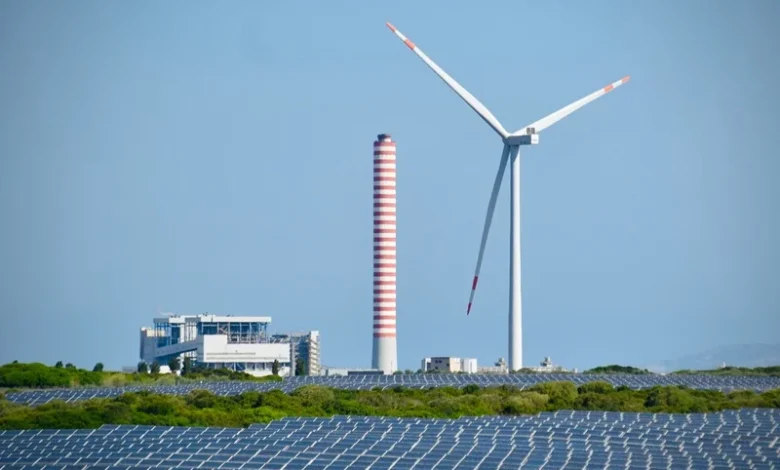
The conversion of sunlight to electricity through photovoltaic panels is the main form of solar energy, thus making it an easily accessible and usable form of energy for residential and small business properties alike. Highly scalable, quiet, and easily installed on rooftops are just a few positives when it comes to using solar as your primary energy source.
Wind energy is generated by using turbines to convert wind movement to electricity. Although this is a very cost-effective way to generate energy in windy areas, the location must have open land and consistent wind movement to be effective; therefore, limiting the locations for wind generation.
Both solar and wind energy are key components of the global transition to renewable sources among many government, non-governmental, and private organizations around the world – including the International Renewable Energy Agency.
Which Is Better for Homes?
For homeowners, the superior choice overwhelmingly appears to be solar due to its:
- Ease of installation on rooftops
- Minimal maintenance requirements
- Quiet, unobtrusive operation
- Ability to operate effectively even in urban settings
Although small-scale wind turbines can be installed for residential use, there are limitations to their installation:
- Requires consistent winds (typically 10 – 12 mph)
- Requires a larger space with sufficient height
- Potential for noise during operation, and typically requires continual maintenance.
Therefore, unless you reside in a consistently windy area (such as rural or coastal), solar will generally be a superior energy source for homeowners.
You May Also Like
1. Why choose solar or wind energy?
Explore which renewable energy source suits your needs best.
2. How can Berlin residents cut energy bills?
Discover smart ways to reduce energy costs in Berlin.
3. Why is solar cheaper than fossil fuels?
Check how solar power beats fossil fuel costs globally.
4. Are solar and wind replacing fossil fuels?
Explore how clean energy is overtaking traditional fuels.
5. How is clean energy shaping future markets?
Discover how renewable energy transforms global economies.
Which Is Better for Businesses?
Depending on your situation, whether that’s location, scale, and needs, will determine which option of renewable energy is right for your company.
Solar advantages:
- A reliable amount of energy will be produced from solar panels.
- Large buildings such as warehouses, factories or offices make this type of renewable energy easy to implement;
- Solar panels can easily be plugged into existing electrical systems.
Wind advantages:
- Wind turbines produce more energy than solar panels do;
- Wind is available even at night;
- Wind energy will work in less populated areas where you can have large wind farms;
Most companies use a combination of both types of renewable energy systems -providing a reliable source of energy with more than one way to generate energy.
Final Words
The decision to use wind or solar will ultimately depend upon your location as well as the size of your company and the type of energy needed for your facility.
For most small, single-family homes, solar panels are generally easier, less expensive and more practical than wind turbines; whereas, with sufficient land and wind conditions, commercial companies will often find larger-scale wind-energy applications more advantageous than solar.
FAQs
1. Is wind or solar more cost-effective?
Solar is generally more affordable for homes; wind can be cost-effective at larger commercial scales.
2. Can I use both wind and solar together?
Yes, hybrid systems provide more reliable year-round energy.
3. Which requires less maintenance?
Solar typically needs less maintenance than wind turbines.
4. Which produces more energy?
Wind turbines often generate more energy per unit—but only in suitable locations.