Why Seas Are Losing Oxygen: Fertilizer Pollution And Expanding Dead Zones
Fertilizer pollution is causing huge dead zones and rapid oxygen loss in rivers and seas. Understand the causes, impacts, and the hidden crisis threatening global waters.

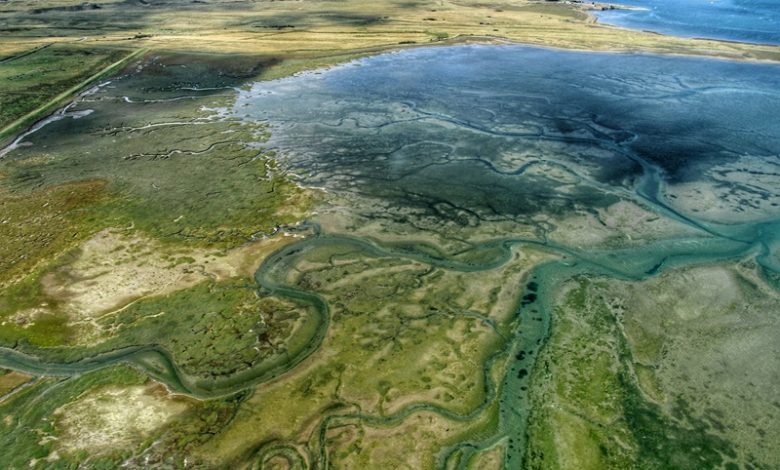
Fertilizer pollution feels like a farm-field problem, but it travels through rivers to coasts and open seas. Extra nitrogen and phosphorus from agriculture and wastewater feed dense algae blooms. When that algae dies, microbes decompose it and strip oxygen from the water. UNEP describes this nutrient-overload process as eutrophication, which can create hypoxia, or “dead zones,” where marine life cannot thrive.
What Is Driving Today’s Oxygen Crisis?
This is not old textbook science; it is unfolding now. NOAA reports the 2025 Gulf hypoxic zone measured 4,402 square miles, with bottom-water oxygen at or below 2 mg/L. A month earlier, NOAA’s seasonal forecast projected about 5,574 square miles, showing how closely agencies now track nutrient runoff and oxygen stress.
The same nutrient pathway appears elsewhere: upstream fertilizer use, river transport, algae growth, then oxygen collapse in downstream waters. Local pollution can trigger regional ecological and economic shocks.
2025 Signals From The Water
In the Great Lakes, NOAA’s 2025 Lake Erie seasonal assessment found a cyanobacterial bloom severity index of 2.4, lower than 2024’s 4.2. That sounds better, but it still points to recurring nutrient pressure and recurring risk for fisheries, recreation, and drinking-water systems in coastal communities. NOAA Communications also posted the Gulf dead-zone update on X, showing how closely this story is now watched in real time.
Why This Matters Beyond Coasts
Climate change compounds the damage. Warmer water holds less dissolved oxygen, and stronger stratification reduces vertical mixing, so recovery slows. UNESCO’s State of the Ocean reporting has warned that hypoxia is expanding in many coastal regions. In short, fertilizer management upstream is now a frontline climate, food, and public-health strategy downstream.
FAQs
1. What causes dead zones?
Excess nitrogen and phosphorus trigger algae blooms; decomposition then strips oxygen from bottom waters quickly.
2. Can dead zones be reversed?
Yes, nutrient cuts, wetland restoration, and wastewater upgrades can improve oxygen levels over time locally.
3. Why does warming worsen oxygen loss?
Warm water holds less oxygen, while stronger stratification blocks mixing that normally replenishes deep layers.
4. Do dead zones affect food prices?
Fish catches fall, transport shifts, and processing costs rise, which can push seafood prices upward.
5. What can farmers do immediately?
Use precision fertilization, cover crops, and buffer strips to reduce runoff without sacrificing yields today.