Spokane Wildfires Destroy 700 Buildings: What Fueled the Devastating Blaze?
Extreme weather worsened Spokane Wildfires with dry vegetation and strong winds driving destruction.

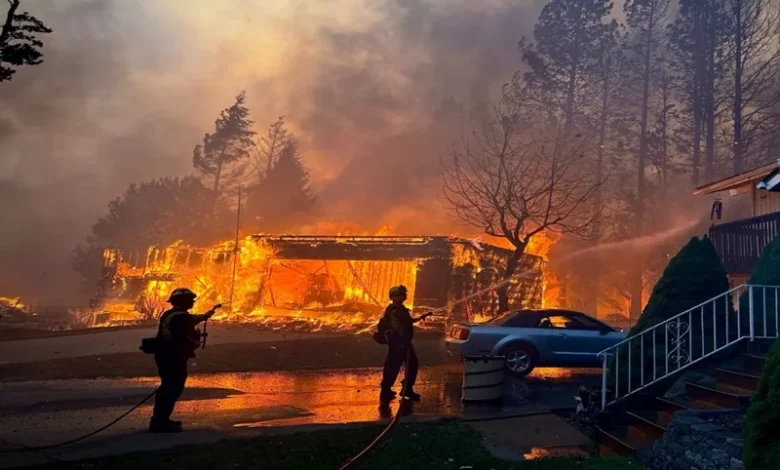
Spokane wildfires are among the most destructive wildfire disasters in Washington this year. Over 700 buildings have been destroyed, and tens of thousands have been forced out of their homes. Extreme weather, dry vegetation and strong winds fuelled the destructive fire in a deadly cocktail.
How Spokane Wildfires Spread So Quickly
Spokane is now battling three large fires. The largest fires have been roaring through dry areas and neighbourhoods. Strong winds have helped the flames leap over roads and open spaces, making them harder to contain.
Smoke has also moved over parts of Washington and neighbouring states. Thousands of residents have been ordered to evacuate as firefighters scramble to protect homes and critical infrastructure.
Extreme heat and dry conditions fed the blaze
The rapid growth of the fire was largely due to the weather. Hot temperatures and extended dry periods cause grasses, shrubs and other vegetation to dry out. These materials, once ignited, will burn quickly and give the flames a path to follow.
The strong wind makes it even more dangerous. They can take burning embers from the main fire and start new fires away from the original flames.
Why Houses Were So Exposed
Many of Spokane’s neighbourhoods are close to natural vegetation. Experts call it the wildland-urban interface, where homes meet the natural landscape.
Thousands of homes in those higher risk areas had already been identified in the city’s wildfire protection planning. Growth in these areas may result in more people and structures being at risk from a moving wildfire.
Fences, vegetation, vehicles and buildings can become additional fuel when fire reaches neighbourhoods. This allows a wildfire to move very quickly from open land into residential areas.
Was it Man-made?
Investigators are looking into what caused the fires. Authorities say a man has been arrested in connection with the Old Trails Fire and charged with first-degree arson. The investigation is still important to understanding the disaster.
Human activity can increase the risk of wildfires when weather conditions are hazardous. During times of increased fire risk, residents are urged to avoid spark-producing activities outdoors.
What To Do As A Resident During Wildfire Season
In wildfire-prone communities, residents can take steps to reduce risks before an emergency:
•Prepare emergency papers and medicine.
•Immediately follow all official evacuation orders.
•Charge your phones for emergency alerts.
•Rake away dry vegetation around buildings as allowed by local codes.
•Keep pets and essential supplies ready for a rapid evacuation.
•Don’t trust unconfirmed social media posts; follow official emergency information from your local area.
Conclusion
The Spokane wildfires are a reminder of how quickly extreme weather and dry terrain can make a fire into a community disaster. Strong winds, heat, dry vegetation and possible human ignition combined to create extraordinarily dangerous conditions. Wildfires are happening more often, so better preparation, safer land management and early evacuation are critical to protect communities.
Stay informed on wildfire risks.
What’s New In Wildfire Prevention?
Check out the latest California safety measures.
Why Are Greece’s Wildfires Growing?
Find what’s stressing Mediterranean ecosystems.
Is California Better Prepared Now?
See how prevention efforts are improving.
Why Declared A State Catastrophe?
Uncover what fueled Chile’s wildfire crisis.
Why Are Forests Disappearing Faster?
Browse the latest tree-cover loss trends.