Climate Shift Warning: Why West Antarctica Is Being Called ‘Point Of No Return’
Explore why West Antarctica is being called climate’s ‘point of no return’, the evidence behind the alarm, and what fast-changing ice systems mean for global coastlines.

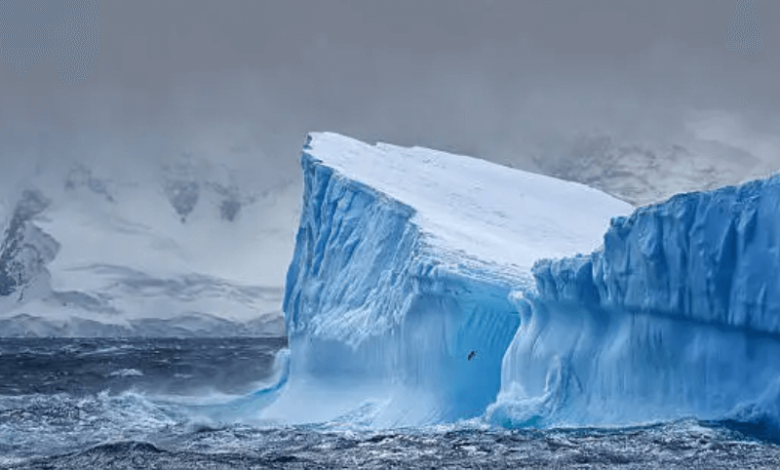
West Antarctica is getting this label because some ice-loss mechanisms can feed on themselves. It is not about one dramatic overnight collapse. The concern is commitment: once grounding lines retreat into deeper marine basins, warm water keeps undercutting ice shelves, support weakens, and inland glacier flow can stay accelerated for centuries. That feedback loop is why this region now sits at the centre of global sea-level risk conversations.
What Is Driving The Alarm
Recent evidence sharpened the warning. A 2025 The Cryosphere study found that, under sustained present-day ocean thermal forcing, both Thwaites and Pine Island collapse across all tested ensemble members, implying at least about one metre of long-term sea-level commitment from large West Antarctic sectors. The International Thwaites Glacier Collaboration also reports that if this wider sector collapsed, sea level could rise by more than 3 metres, with Thwaites alone around 65 centimetres.
In January 2026, British Antarctic Survey and Korean teams reached Thwaites’ least-understood zone and drilled roughly 1,000 metres through ice to directly observe warm-water melt near the grounding line. This is why the story is trending again: models are now being checked against new field measurements.
Why Scientists Still Add Caution
Scientists still avoid absolute claims. BAS 2023 work says the region has not definitively tipped yet under present conditions, though irreversible retreat cannot be excluded, and later phases can become rapid once thresholds are crossed. Reuters’ 2025 coverage also highlights potentially self-perpetuating Antarctic changes.
Official Post
Official social post: British Antarctic Survey Instagram update. At the same time, WMO reported record-low Antarctic sea ice in 2023, while NASA estimates continuing ice-mass losses.
FAQs
Is West Antarctica already collapsing right now?
No, but retreat dynamics are accelerating and some pathways can become irreversible over long timescales.
Why is Thwaites called the “Doomsday Glacier”?
Because its instability can trigger neighbouring glacier retreat, increasing global sea-level rise commitment significantly worldwide.
Can emissions cuts still help this situation?
Yes, emission cuts reduce future warming, slow ocean heat uptake, and lower crossing-risk of thresholds.
Does this affect countries far from Antarctica?
Sea-level rise threatens coasts, infrastructure, insurance costs, ports, freshwater systems, and disaster planning everywhere globally.
What is the biggest uncertainty for scientists now?
Threshold timing, feedback strength, and whether recent sea-ice crashes represent temporary variability or regime shift.