How Local Air Quality Crises Reflect Global Climate Trends
Discover how urban smog patterns and environmental health indicators reveal the reality of atmospheric warming effects on our changing planet.

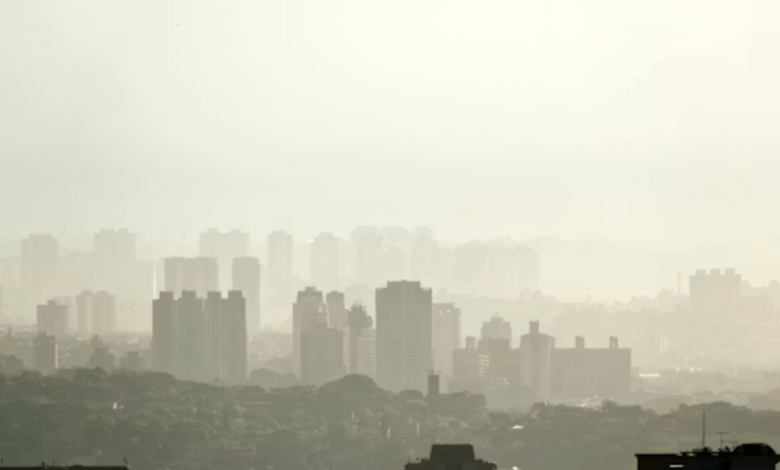
Cities in high levels of pollution are usually handled as one-off events. But, these regional problems are closely intertwined with global transformations. It is through this association that we get to appreciate why it is important to curb pollution in order to achieve long-term ecological stability.
Exploring urban smog patterns
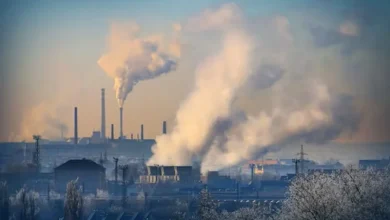
It is not only a problem of local traffic or industrial output that is ever growing in frequency in the metropolitan areas. Changing weather systems directly impact urban smog patterns. Droughts and stagnant high-pressure systems keep the pollutants in the surface and therefore, cities are turning into hot beds of toxic particles. It is an important aspect of environmental action internationally to address such local events.
The rise of atmospheric warming effects
Due to heating the planet the chemical composition of our atmosphere varies. Increased temperature increases the speed of the ground-level ozone development, aggravating the breathing. Furthermore, the loss of certain aerosols that traditionally cooled the earth has unmasked extreme atmospheric warming effects. According to recent reports made by the World Meteorological Organization, action to curb pollution is the direct fight against increasing temperatures of the planet.
Tracking environmental health indicators
In order to safeguard the vulnerable populations, scientists and health organizations are using particular measures to observe the ecological safety.
Why data matters
Changes in particulate matter concentration and extreme heat events serve as vital environmental health indicators. Monitoring these indicators, policymakers are able to introduce even smarter clean energy solutions. Introducing zero-emission infrastructure and decreasing the use of fossil fuels in industries are short terms solutions which can alleviate everyday life and also actively lower the temperature of the planet.
UN Environment Programme Official
(FAQs)
1. How do temperature changes worsen pollution?
Higher temperatures accelerate chemical reactions in the air, creating more ground-level ozone and worsening urban smog patterns during summer months.
2. Can cleaning the air speed up planetary heating?
Paradoxically, some reflective pollution particles (aerosols) initially cool the Earth by reflecting sunlight. However, reducing all emissions, especially greenhouse gases, remains the safest strategy to mitigate atmospheric warming effects over time.
3. What are environmental health indicators?
These are specific, measurable data points—like local particulate matter levels and heat-related hospitalizations—used to track how ecological changes impact human well-being.