Urban Birds Evolving Rapidly in Response to Human Food Waste
Urban birds are evolving faster than expected as human food waste reshapes diets, behaviour, and survival strategies in cities worldwide.

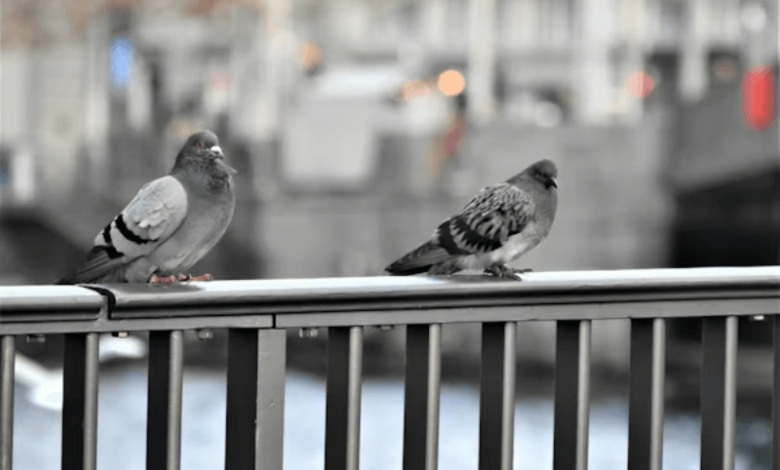
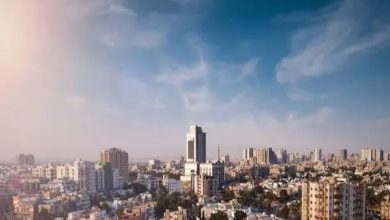
Although cities are generally thought to be unsuitable habitats for most types of wildlife and, therefore, create a hostile environment, many species of urban wildlife are thriving due to an evolutionary process that allows them to adjust their behaviours and diets so that they can reach equal footing with humans in many ways; not only are many of these species adapting to eat human rubbish, but they have developed other traits that have enabled them to live harmoniously with people.
The example of urban birds demonstrates how urban wildlife is rapidly adapting to changes in their environments. Urban birds, from scavenging pigeons eating your leftover pizza crust to the more advanced gulls who have learned how to negotiate their prey from landfills, provide a unique way of observing natural selection in action today, as urban birds continue to change their behaviours based on changes brought about by suburban and urban life.
How Human Food Waste Is Driving Evolution
Cities produce an ever-present and plentiful supply of energy-dense nutritional material; specifically fast-food leftovers, open refuse bins, and landfills provide a significantly less risky and more convenient alternative to seasonal foraging in the wild. When birds are able to take advantage of urban environments, they have developed many advantages in terms of survival over the birds that have been unable to adapt.
Urban birds are also changing their feeding habits, strengthening their beaks, and becoming more comfortable around humans. Species like crows and gulls have developed sophisticated cognitive abilities that allow them to utilize packaging and predict when and where food will be available to them; this has enabled them to solve complex problems, such as how to open packages and find food, through trial and error. Their behaviours have changed over many generations, becoming increasingly prevalent.
Physical and Behavioural Changes in City Birds
Behavior isn’t the only thing that changes through Evolution. Some cities have been shown to cause physical changes in their populations of Birds, beyond just behavior, such as different Wing Shapes, Body Sizes, and so forth, as compared to the Rural Population from which these Urban Birds originated. These physical adaptations could increase a Bird’s ability to Maneuver around a city, or lower the energy expended hunting/prey in their immediate vicinity of Food.
Wildlife in Urban Areas has also shown similar patterns of adaptation to Human Created Environments, namely to the Evolutionary Pressure created by being located so close to Humans. The rate of change is much faster than the traditional perspective that Evolution does not happen for thousands of Years.
Ecological Consequences of Rapid Adaptation
Birds are able to adapt in order to survive; however, their dependence on processed food has generated ecological problems including poor nutrition and reproductive success as well as increased transmission of diseases. Moreover, when large numbers of birds congregate near dumps or landfills they create heightened competition, which puts additional strain on local ecosystems and allows for outcompeting of others that may not be as adaptively fit.
The issue of public health has become increasingly important too. When birds are getting their nutrition from waste materials, they are likely to come into close contact with humans and therefore are an avenue for increased transmission of zoonotic diseases to an urban population.
Urban Bird Evolution: Key Observations
| Aspect | Observed Change |
| Diet | Shift toward processed human food |
| Behaviour | Increased boldness and problem-solving |
| Physical traits | Changes in size and wing shape |
| Survival rates | Higher in food-rich urban areas |
| Ecological impact | Altered species balance in cities |
Urban Bird’s Rapid Evolution
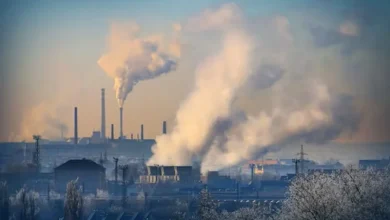
The relationship between birds and urbanization emphasizes, with the speed of development in a rapidly changing environment, how much humans have had an impact on the natural world. Bird adaptation is influenced by human-created environments, including food waste, which can no longer be considered as a simple nuisance to the environment but as a major contributor to the evolution of urban bird’s population.
The ability to anticipate and understand these types of evolutionary changes will be beneficial for urban planners, municipal waste managers, and future biodiversity conservation efforts. The ongoing growth of our cities indicates that the way we dispose of and manage our food waste will be a major factor in how the future of wildlife and urbanization co-exists with one another.
FAQs
Why are urban birds evolving faster than rural birds?
The presence of human food waste constantly offers birds with heightened selection pressures.
Which birds are most affected by food waste?
Pigeons, gulls, crows, and sparrows show the greatest changes due to adapting to the new food supply and depend on it.
Is human food harmful to birds?
Yes. So many of the processed foods that humans eat are void of necessary nutrients and will have negative impacts on birds’ health in the long term.
Can reducing food waste help wildlife?
By providing proper waste management for our waste we can prevent birds from developing an over-reliance on other forms of food and promote natural foraging behaviours.
Does this mean evolution is speeding up?
Generally, no. However, the presence of human environments has stimulated this acceleration within a select group of species.